Bringing home a new puppy is an exciting experience, but it can also
come with some challenges – one of the biggest being puppy biting.
Puppy biting is a normal behavior as they explore the world with
their mouths, but it's important to address it early on to prevent
it from becoming a habit. In this guide, we'll cover everything you
need to know about why my puppy is biting me and how to stop puppy
biting.
How to Stop Puppy Biting: Say hello to bite-free puppyhood
Learn effective tips to prevent puppy biting and ensure a bite-free puppyhood with sploot. Discover ways to train your pup for a happier, safer environment.

17 May 2024 · 5 min read
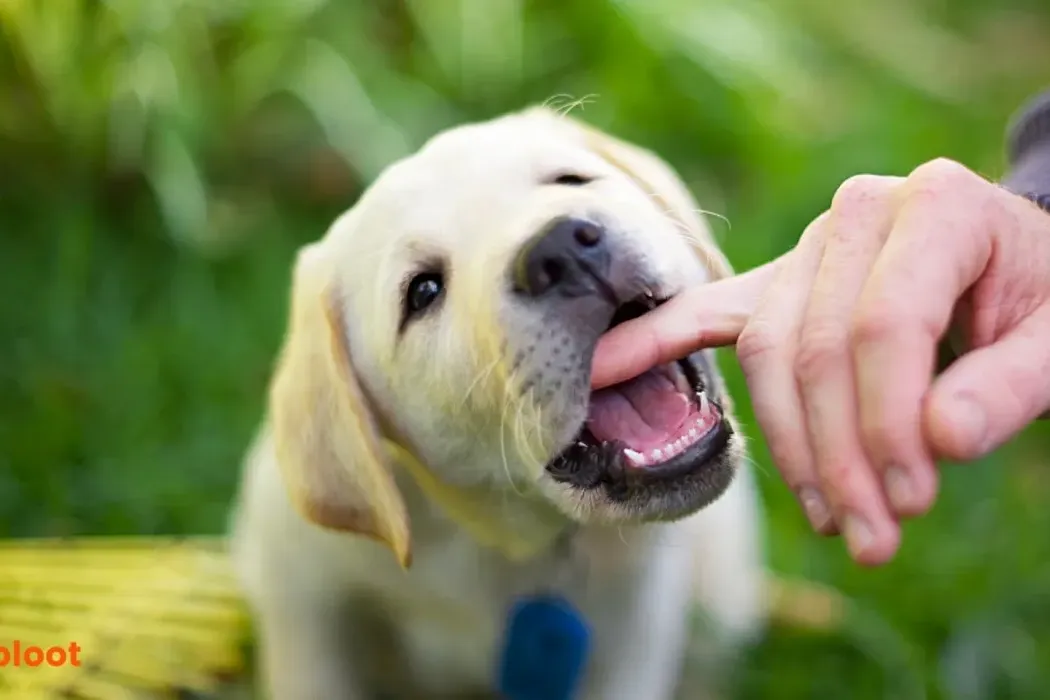
Why Is My Puppy Biting Me?
Before we dive into how to stop a puppy from biting, it's important
to understand why puppies bite in the first place. Puppies explore
their environment with their mouths, and biting is a natural way for
them to learn about the world around them. Additionally, puppies may
bite during play or when they're teething, which can be extremely
uncomfortable for them.
There are several reasons why your
puppy may be biting you, including:
Teething: Puppies start teething around 3-4 months old, and the discomfort can cause them to chew on anything they can get their mouths on, including your hands and feet.
Play Biting: Puppies often bite during play as a way to engage with their littermates and humans. However, they need to learn that biting humans is not acceptable.
Attention-Seeking: Puppies may bite to get your attention, even if it's negative attention.
Lack of Exercise: Puppies have a lot of energy, and if they're not getting enough exercise or mental stimulation, they may turn to biting as a way to release that energy.
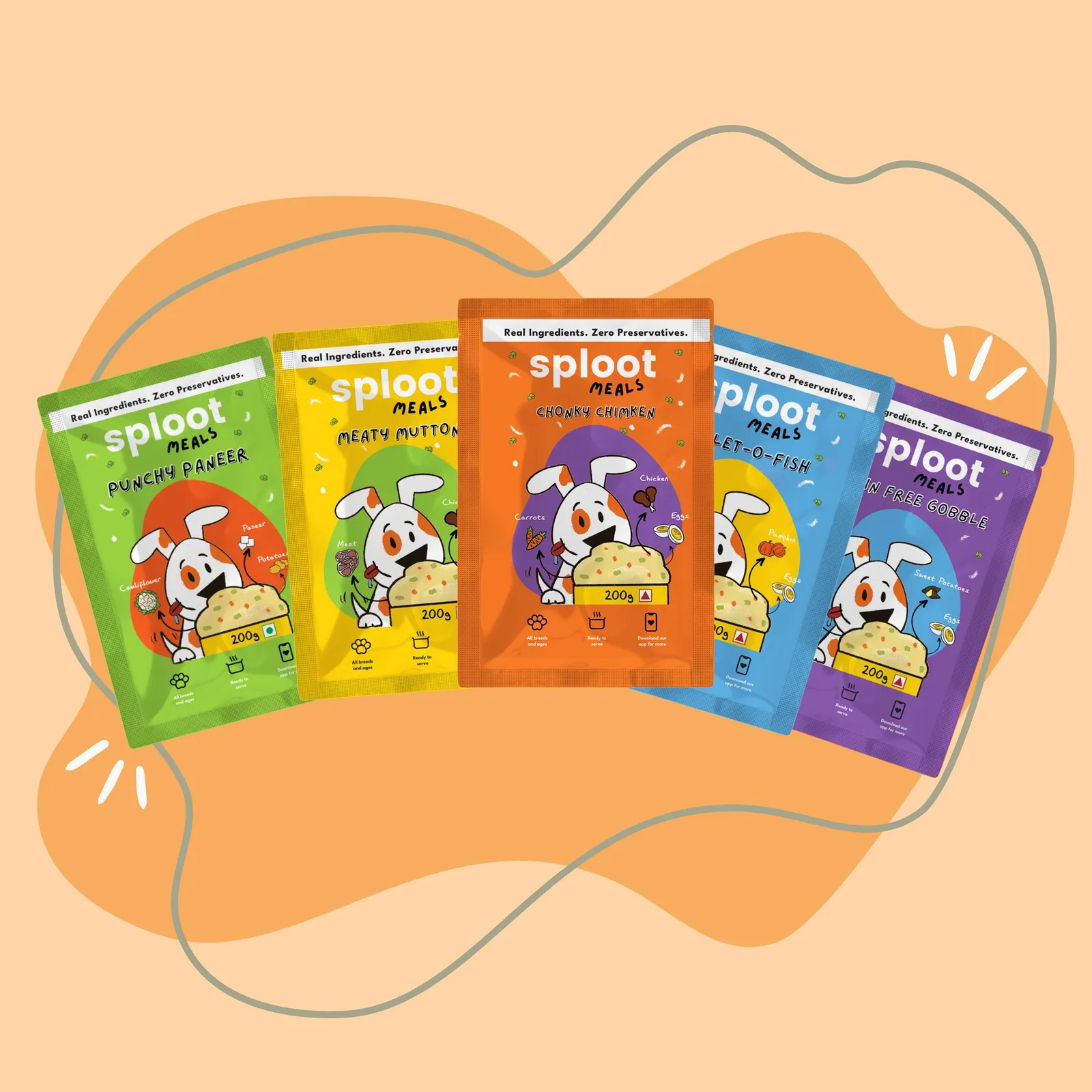
Buy Online Fresh Dog Food India | Taster Pack - Sploot
Buy Online Fresh Dog Food India. Dogs can survive on any
food, but they thrive on fresh pet food! 🙌sploot fresh
food for dogs is balanced, appetising & formulated
by a nutritionist.
How to Stop a Puppy from Biting Your Feet and Hands
Now that we understand why puppies bite, let's dive into some effective strategies for how to stop a puppy from biting your feet and hands, as well as other common biting behaviors.
Redirect to Appropriate Chew Toys
Whenever your puppy starts
biting you, redirect their attention to an appropriate chew toy.
This teaches them that it's okay to chew on certain objects but not
on human skin. Keep a
variety of chew toys
on hand and praise them when they chew on the toys instead of your
hands or feet.
Teach a "No Bite" Command
Teaching your puppy a "no bite"
command can be an effective way to stop biting behavior. When your
puppy bites, say "no bite" in a firm voice and immediately walk
away, ignoring them for a brief period. This teaches them that
biting results in losing your attention, which is often a potent
punishment for puppies.
Provide Plenty of Exercise and Mental Stimulation
A tired puppy
is less likely to engage in biting behavior. Make sure your puppy is
getting plenty of
exercise through walks,
playtime, and mentally stimulating activities like puzzle toys or
training sessions.
Use Positive Reinforcement
When your puppy is playing nicely
and not biting, be sure to praise and
reward them with treats
or affection. This reinforces the desired behavior and makes it more
likely they'll continue to play gently.
Avoid Rough Play
While it may be tempting to engage in rough
play with your puppy, this can inadvertently encourage biting
behavior. Stick to calmer, more gentle play sessions to avoid
overstimulating your pup and triggering biting.
Be Consistent
Consistency is key when it comes to stopping
puppy biting. Make sure everyone in the household is using the same
techniques and commands to address the behavior. Inconsistency can
confuse your puppy and make it harder for them to learn.
Consider Professional Training
If you're struggling to stop
your puppy from biting despite your efforts, consider enlisting the
help of a professional dog trainer. They can provide personalized
guidance and support to help you and your puppy overcome this
challenging behavior.
Recommended products

Chonky Chimken Dog Food
From ₹99

Punchy Paneer Dog Food
From ₹99
When Does Puppy Biting Stop?
While puppy biting can be frustrating, it's important to remember that it's a natural behavior that will eventually subside. Most puppies will stop biting around 6-8 months of age as they mature and develop better impulse control. However, it's still important to address the behavior during this time to prevent it from becoming a habit.
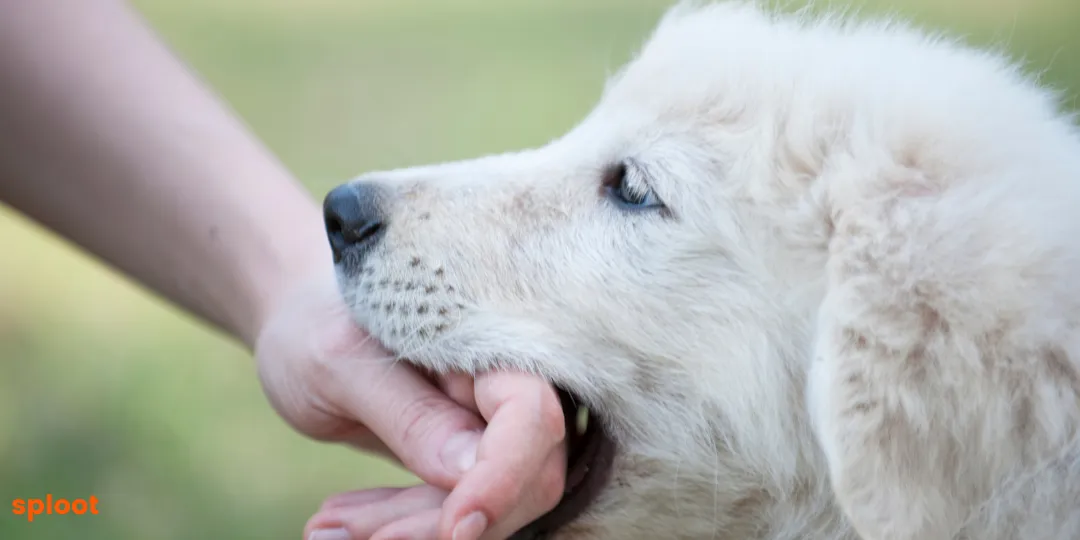
Why Do Puppies Bite So Much?
Puppies bite for a variety of reasons, including teething, play, attention-seeking, and lack of exercise. It's a natural behavior that helps them explore their environment and communicate with their littermates and humans.
How to Train Your Dog Not to Bite
Training your dog not to bite is an ongoing process that requires patience, consistency, and positive reinforcement. In addition to the strategies outlined above, here are some additional tips for training your dog not to bite:
Socialize Your Puppy Early
Proper socialization
is essential for teaching your puppy appropriate behavior around
humans and other animals. Expose them to a variety of people,
places, and situations in a positive and controlled environment.
Practice Bite Inhibition
Bite inhibition is the ability to
control the force of their bite. You can practice this by allowing
your puppy to mouth your hand gently and saying "ouch" or "no bite"
in a high-pitched tone whenever they bite too hard. This teaches
them to be gentle with their mouths.
Use Positive Reinforcement Training
Positive reinforcement
training is an effective way to teach your puppy desirable
behaviors. Reward them with treats, praise, or playtime when they
exhibit good behavior, such as not biting or chewing on appropriate
toys.
Be Patient and Consistent
Training takes time and consistency.
Don't get discouraged if your puppy doesn't catch on right away.
Keep practicing and reinforcing the desired behaviors, and they'll
eventually get it.
Puppy biting is a normal and natural behavior, but it's important to address it early on to prevent it from becoming a habit. By understanding why puppies bite, providing plenty of exercise and mental stimulation, and using positive reinforcement training techniques, you can effectively teach your puppy not to bite. Remember, consistency and patience are key, and don't hesitate to seek professional help if you're struggling. With time and effort, you can enjoy a happy and harmonious relationship with your furry friend.
FREE GUIDE
Transitioning your dog to fresh food, a 7 day guide
Get our day-by-day plan for switching your dog to fresh food, delivered straight to your inbox.
Read More
Everything your dog needs, in one app.
Track sessions in real time, receive updates, manage bookings, shop essentials and stay connected to your dog's care journey—all from the Sploot app.