

Puppies are adventurous little creatures. They wander around, sniff
everything, lick, and slurp everything they encounter. While at it,
there are
dangerous parasites and worms
that can get into their system.
Puppy Deworming is the process that involves safeguarding your puppy
from these harmful creatures that make your puppy sick. In this
article, you’ll learn everything you need to know about deworming.
You'll find everything here from the types of worms and how they
harm your furry ball of love to the medications involved in the
process. So let’s dive in!
Why Deworm Your Puppy?
You should deworm your puppy because they have a
weak and immature immune system. In fact, they should be dewormed as early as 2 weeks. In many
cases, puppies adopt the worms present in their lactating mothers.
This can pose serious damage to the puppy’s health.
Here are 5 more reasons why you should deworm your puppy without
fail:
- Parasite prevention: Deworming protects puppies from internal parasites like roundworms, hookworms, whipworms, and tapeworms.
- Health and growth: It prevents malnutrition, anemia, and weight loss, and supports proper growth and development in puppies.
- Human health: Regular deworming reduces the risk of zoonotic transmission, protecting the health of the puppy's human family members.
- Controlling transmission: Deworming your puppy will break the cycle of parasite transmission, preventing further contamination of the environment and other animals.
-
Veterinarian recommendation: Deworming is a
vital part of preventive healthcare advised by veterinarians to
ensure the overall well-being of puppies.
10 Symptoms of Worms in Puppies
If your furry friend has been acting a little weird lately. Maybe
you should check for symptoms of worms. Here are the 10 most common
symptoms of worms in puppies:
- Change in appetite
- Lethargy & decrease in activity
- Vomiting
- Scooting
- Diarrhea
- Coughing
- Dull Coat
- Potbelly Appearance
- Skin problems
- Worms in feces
4 Types of Worms Or Parasites
There are mainly 4 types of parasites that require puppies to get
dewormed. Let’s look at each of them in detail with the dangers they
cause:
1. Roundworm (Toxocara canis)
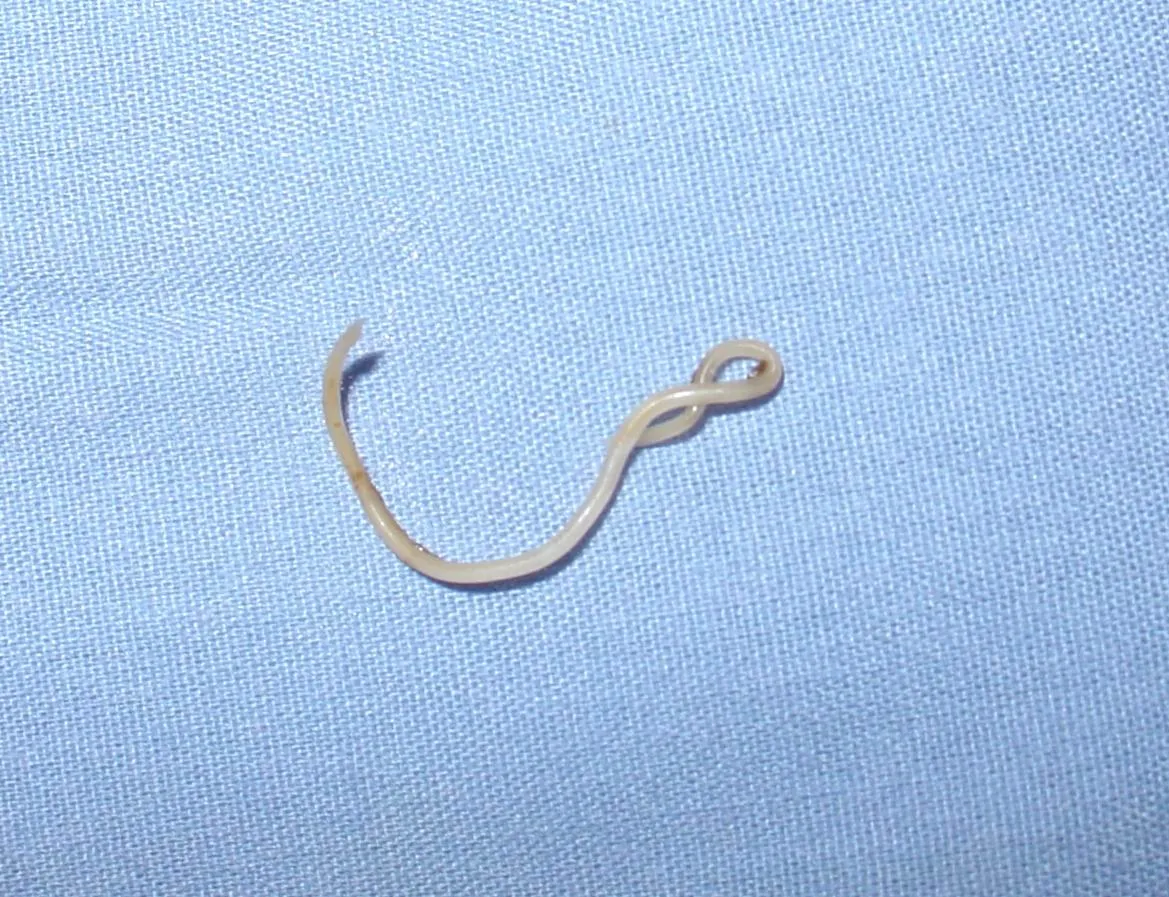
- Long, white or pale worms
- Cylindrical shape
- Spaghetti-like appearance
- Grows up to 7 inches (18 cm) in length
Where are they found?
Roundworms commonly inhabit the intestines of puppies and adult
dogs. Puppies can contract them from their
infected mother or by ingesting
contaminated soil or feces.
How it affects your puppy?
Roundworms can lead to poor growth, a potbellied appearance, and a
dull coat in puppies. They consume nutrients from the puppy's
intestines, causing malnutrition.
In severe infestations, roundworms can cause intestinal blockage,
vomiting, and diarrhea. Additionally, certain roundworm species can
be transmitted to humans, posing a risk to human health.
2. Whipworm (Trichuris vulpis)
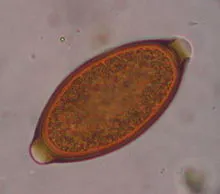
- Small, thread-like worms
- Narrow anterior end and a thicker posterior end
- Measures about 1 to 2 inches (4-5 cm) in length
Where are they found?
Whipworms reside in the large intestine of infected puppies. They
deposit eggs in the soil through the puppy's
feces, leading to environmental contamination.
How it affects your puppy?
Whipworm infestations can cause chronic watery diarrhea, weight
loss, and dehydration in puppies.
Severe whipworm infections can result in anemia and even damage the
lining of the puppy's intestines, leading to more significant health
issues.
3. Tapeworm (Dipylidium caninum)
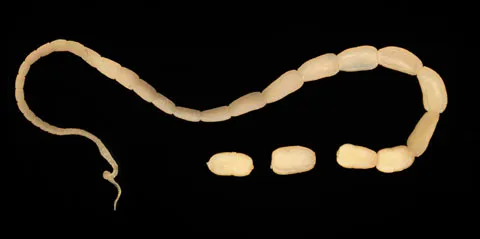
- Long, flat, and segmented worms
- Resemble small grains of rice
- Grows up to 11 inches long
Where are they found?
Puppies acquire tapeworms by ingesting infected
fleas or small mammals like
rodents. Each segment contains eggs and is shed in
the puppy's feces.
How it affects your puppy?
Tapeworm infestations may not always cause obvious symptoms, but
segments of the worm may be visible in the puppy's feces or around
the anus. They lead to gastrointestinal issues and
hamper growth.
While not as immediately dangerous as other parasites, untreated
tapeworm infestations can lead to malnutrition and discomfort in
puppies.
4. Hookworm (Ancylostoma caninum)
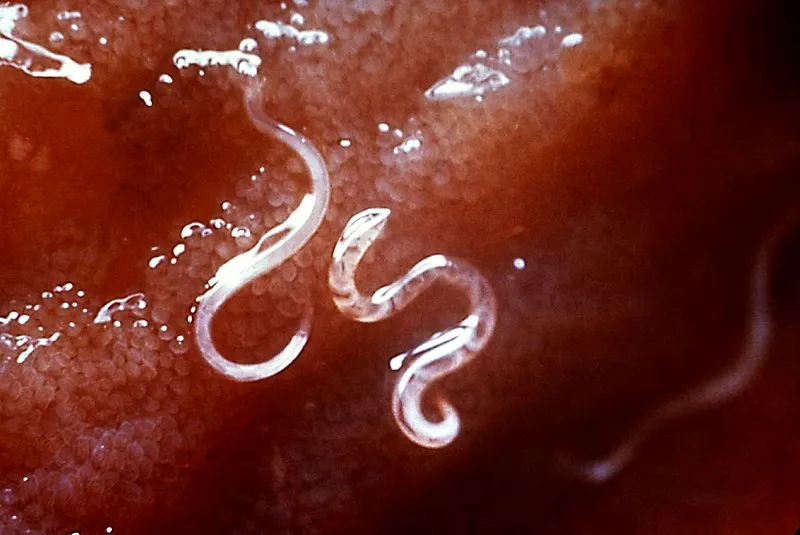
- Small, thin worms
- Hook-like mouthparts.
- Few millimeters long (less than 0.5 inches)
Where are they found?
Hookworms attach to the lining of the puppy's small intestine, where
they feed on the puppy's blood. Puppies can acquire them through
ingestion or
skin penetration.
How it affects your puppy?
Hookworm infestations cause anemia, pale gums, weakness, and dark,
tarry stools in puppies.
Severe hookworm infections can be life-threatening, especially in
young and small puppies, as they may experience significant blood
loss and weakness.
Puppy Deworming Schedule and Procedure
Schedule
Deworming your puppies is super important to keep them healthy and
happy. Here's a simple schedule to follow:
Deworm them every 2 weeks until they're 8 weeks old, then again at 6
months. Once they're grown ups, switch to
deworming every 6 months.
But here's the thing – parasites can be sneaky and love to come
back. So, it's smart to use preventative treatment to protect your
fur babies. Start deworming early, around 2 weeks old, to beat those
pesky parasites before they even get comfortable.
How To Deworm Your Puppy? Procedure
Dewormers can be administered orally as chewable treats, pills,
liquids, pastes, and food additives, or through injectable shots
given by licensed veterinarians.
Deworming treatments for puppies are easy and effective. A
veterinarian will provide or supervise the administration of the
puppy wormer for 1-3 days, then repeat it in 2-3 weeks. This ensures
all parasite stages are eliminated.
Don't use over-the-counter wormers; consult your vet for the right
prescription based on your puppy's needs. Regular check-ups and
prevention are essential for a healthy and happy puppy.
Common Deworming Medications and Costs
- Bayer Drontal Puppy
Cost: Rs. 240
- Petcare Wormtrap Deworming Syrup for Puppies
Cost: Rs. 260
- Skyworm Puppy Dewormer Suspension
Cost: Rs. 240
- All4pets Wormtek Suspension
Cost: Rs. 240
Even though these over-the-counter dewormers are easily available on
online shopping sites like Amazon and Flipkart, it is recommended to
consult a vet before using them. Your vet would know the best
medicine for your puppy after examining them.
Puppy Deworming Side-Effects and AfterCare
Although deworming in puppies does not usually show side effects, in
some adverse cases, it might. If the puppy is infected with
excessive worms, there might be some illnesses after administering the dewormer.
When a large number of worms are dying altogether inside the
intestine of a puppy, the intestinal line can become infected. This
can cause side effects like diarrhea,
vomiting, and decreased appetite.
However, these are usually temporary issues, and puppies typically
recover within a day or two.
Deworming AfterCare:
- Give your puppy some time to rest.
- Limit playtime
- Make them comfortable
-
Serve bland food like boiled rice, chicken, and pumpkin for a
day or two.
How To Prevent Worms In Puppies?
Here are 5 tips to prevent worms in your puppy:
- Follow a regular deworming schedule recommended by your vet.
- Keep up with veterinary check-ups and fecal tests.
- Maintain a clean living environment and practice good hygiene.
- Administer preventative medications as prescribed.
- Avoid high-risk areas and infected animals.
If you're interested to read more such blogs or explore the world of pet parenting, download the sploot app here.