
In this post: brushing basics — kit — step-by-step home groom — bath frequency — coat types — Indian seasons — when to book a pro — straight answers
Dog Grooming Tips: At-Home Routine for Indian Dog Parents
Dog grooming tips for home care in India — brushing, bathing, kit basics, and when to book a pro. From Garima at Sploot. Book a home groom on sploot.space.

12 Jun 2026 · 10 min read
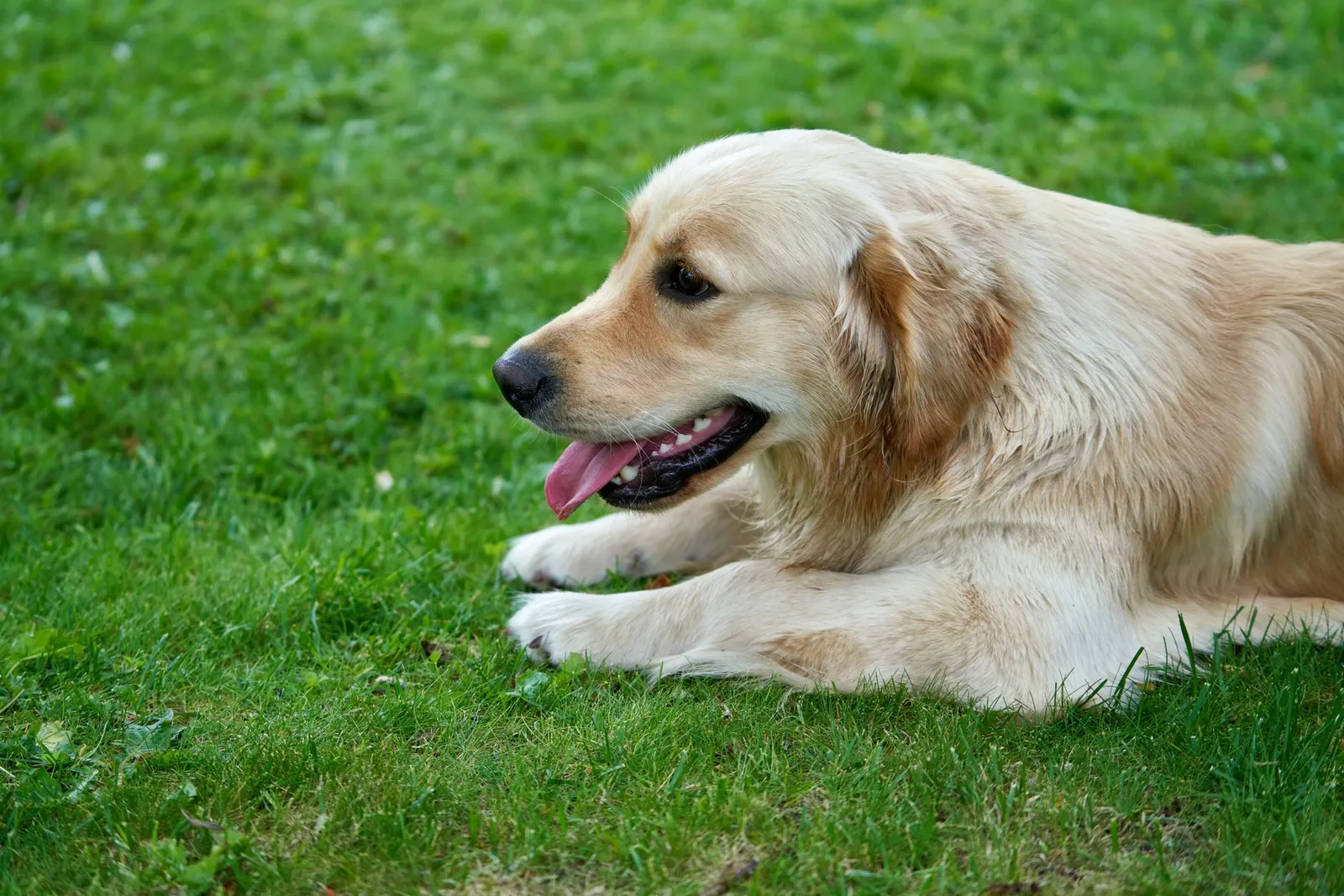
Dog grooming at home sounds simple until you are holding a brush, a moving target, and a growing sense that you should have started this three weeks ago. Straight answer: brush twice a week, down to the skin, before mats become a groomer appointment you did not plan for. Everything else — bath frequency, nail trims, when to call a pro — hangs off that one habit.
Most of what your dog needs between professional visits is maintenance. Brush, check ears and nails, bathe when actually dirty, and know when home care has hit its limit.
Brush twice a week or you will pay for it later
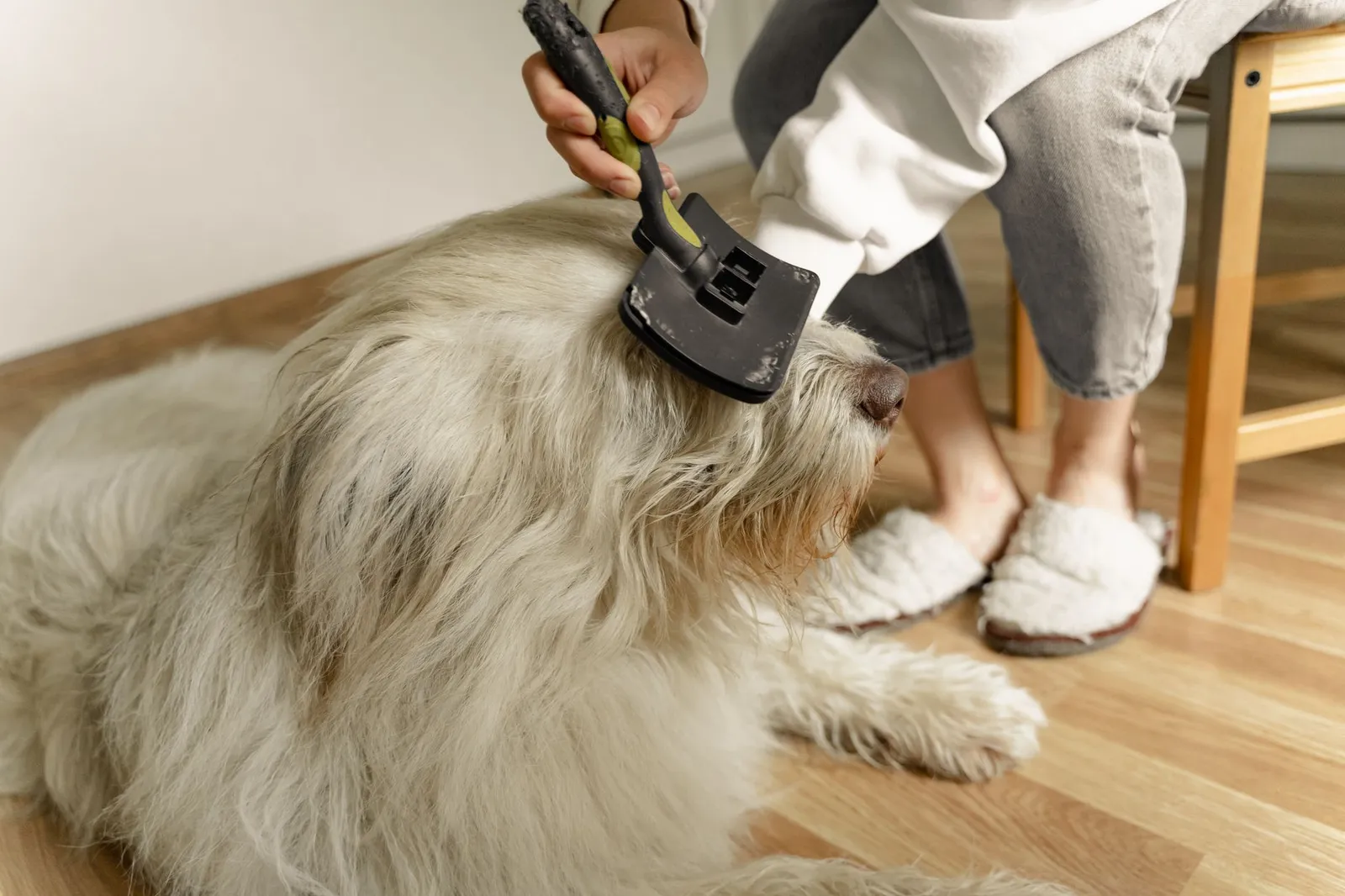
Brushing is not about looking polished for guests. It is how you find lumps, hot spots, and ticks before they become a vet visit. Mats start behind the ears and under the armpits — not on the back you see from the couch. I learned that with my Golden Retriever, Snitch, after skipping a week and finding a tangle that took twenty minutes and a lot of patience.
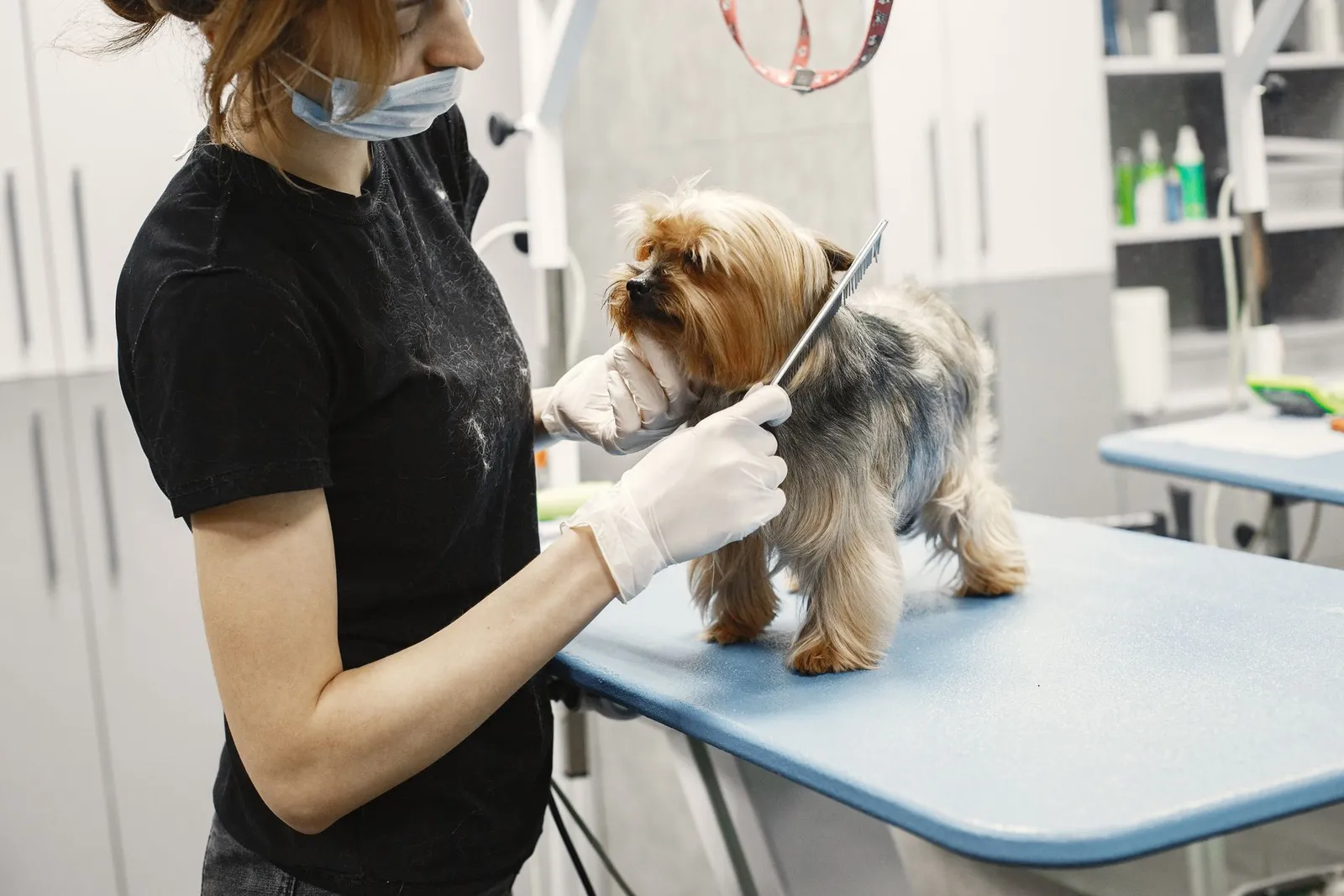
Rule of thumb: work in sections, brush down to the skin, and use a comb to check your work. If the comb snags, go back with the brush. Do not reach for kitchen scissors. I have seen what happens when skin tents up into a mat.
Honestly, the cheapest groom is the one you prevent. When brushing loses the argument for three weeks straight, dematting runs ₹1,598 on average nationally. Brush twice a week and you skip that bill entirely.
After walks — especially in monsoon — I run my hands through the coat. Mud hides in the undercoat. Catching it early beats negotiating with a mat that has welded itself to skin.
The dog grooming kit I keep in one drawer
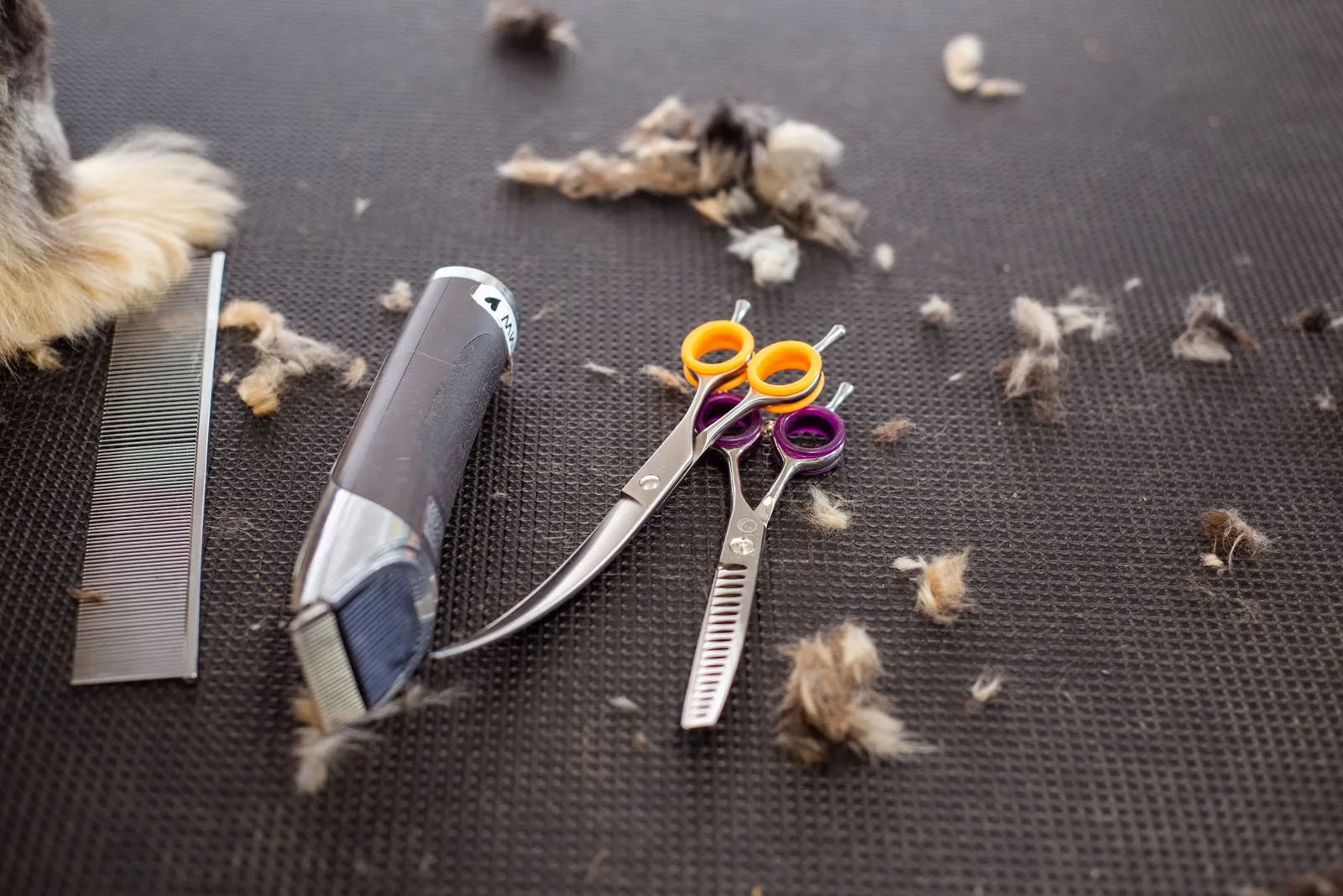
Honestly, most home grooming in India is just a brush — and that is fine. The right brush for your dog's coat, used consistently, does more than a drawer full of tools used twice a year.
For short coats and most indie dogs, a rubber curry brush is enough. For longer or double coats, a slicker brush and a metal comb to check your work. Add dog shampoo for bath days. That is the kit. Our dog grooming styles guide on Sploot has brush recommendations by coat type if you want specifics.
Recommended products

Chonky Chimken Dog Food
From ₹99

Punchy Paneer Dog Food
From ₹99
How I groom at home without losing the plot
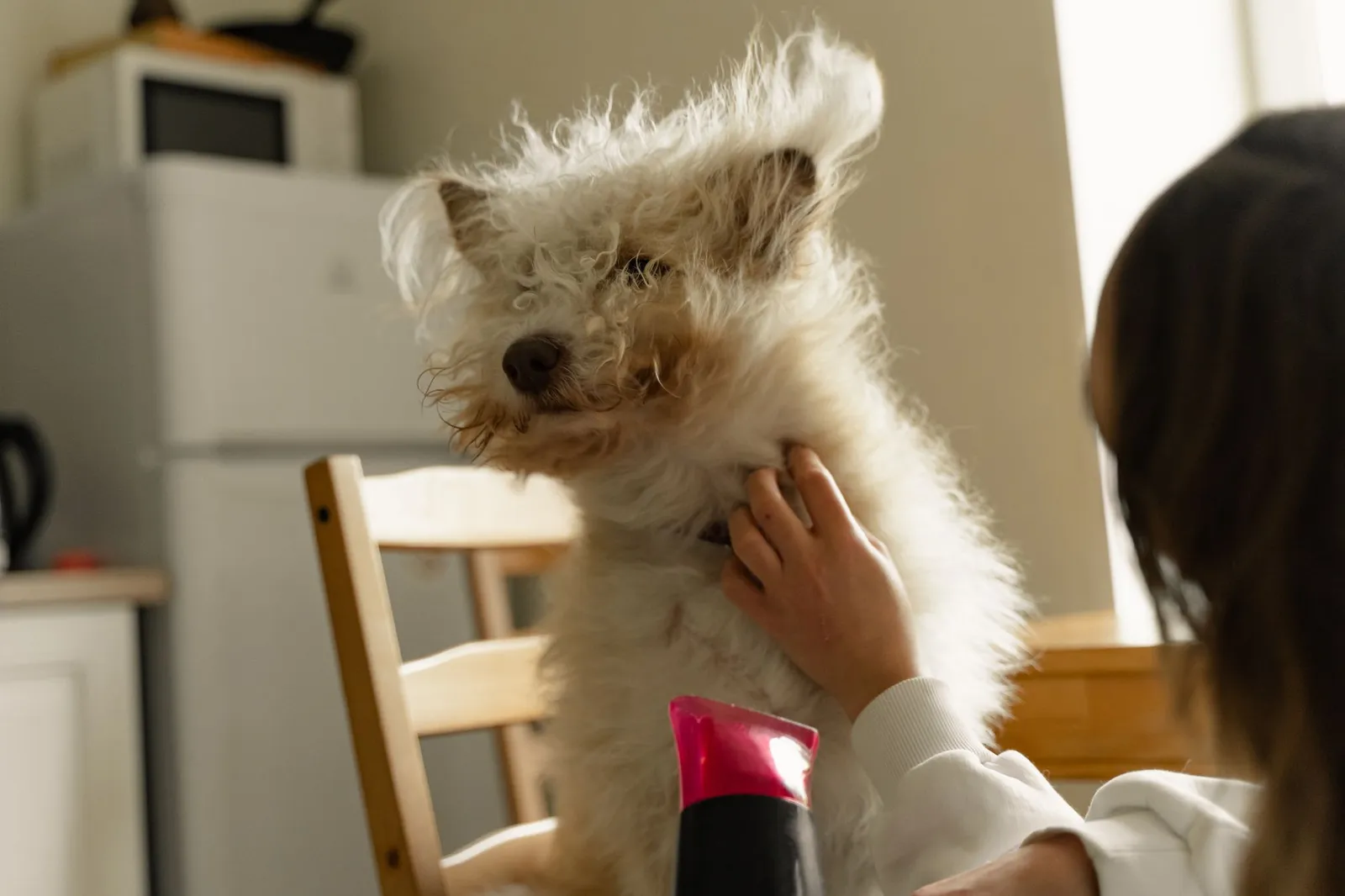
This is how to groom a dog at home without bath water on the ceiling fan. I follow the same order every time.
Brush dry first. Wet mats tighten. Check ears and eyes — redness or a bad smell means vet first, not more wiping. Trim nails in small clips if needed. Bathe with lukewarm water, shampoo from neck to tail, rinse until you are bored, then rinse again. Dry properly — towel, then a low-heat dryer if your dog tolerates it. Brush once more when the coat is dry.
Keep sessions short at first — two minutes of brushing with a treat, then stop while your dog is still calm. Dogs that learn grooming slowly at home handle professional visits better later.
Red skin, open sores, sudden hair loss, or a dog who will not let you touch an area: stop. Sploot groomers handle coat maintenance. We are not a substitute for a medical workup. Vet first.
Bath day — and how often your dog really needs one
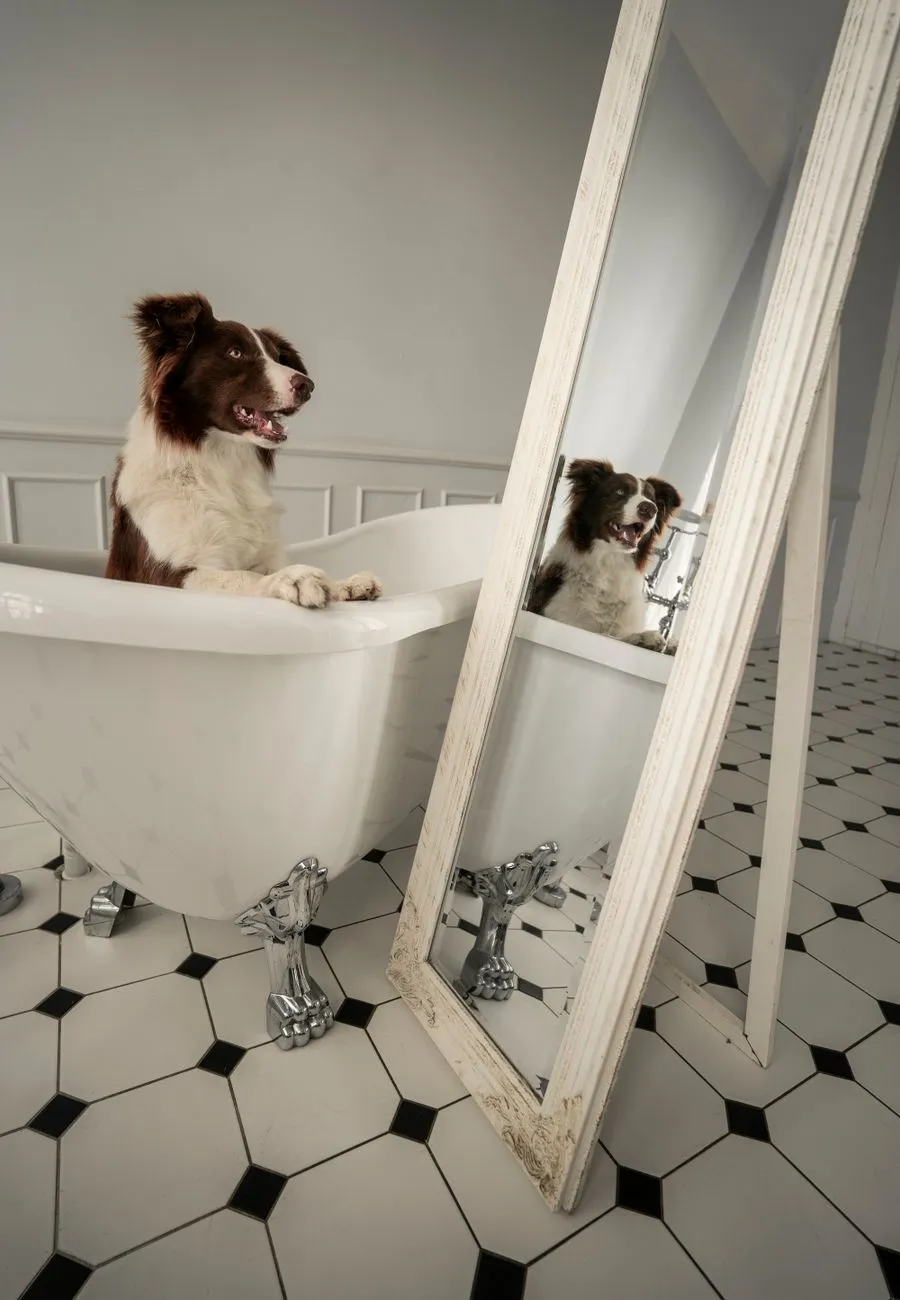
How to bathe a dog, in plain terms: soak the coat fully before shampoo touches it. Work shampoo in with your fingers. Keep it out of eyes and inner ears. Rinse until the water runs clear — then rinse again. Shampoo residue is a common itch trigger in Indian humidity.
How often should I bathe my dog? For most apartment dogs in our cities, every two to four weeks is enough. Mud rollers need more. Skin conditions follow your vet's plan, not a blog post.
Never use human shampoo. Canine skin sits at a different pH. The American Kennel Club grooming guide says the same thing about dog-formulated products and thorough rinsing.
Greasy coat, lingering smell, visible dirt, extra scratching — those are my signals for bath day. I wrote more on signs your dog needs a bath if you want the full list. If you are bathing weekly just for smell, check diet and skin with your vet before you add more shampoo.
Your dog's coat type changes the whole schedule
Short coats — Beagles, many indie dogs, Boxers — need a weekly brush and a bath every three to four weeks. Double coats like Goldens and Huskies need brushing two or three times a week, daily in shedding season. Do not shave them to beat the heat. The undercoat insulates both ways. Brush and dry instead.
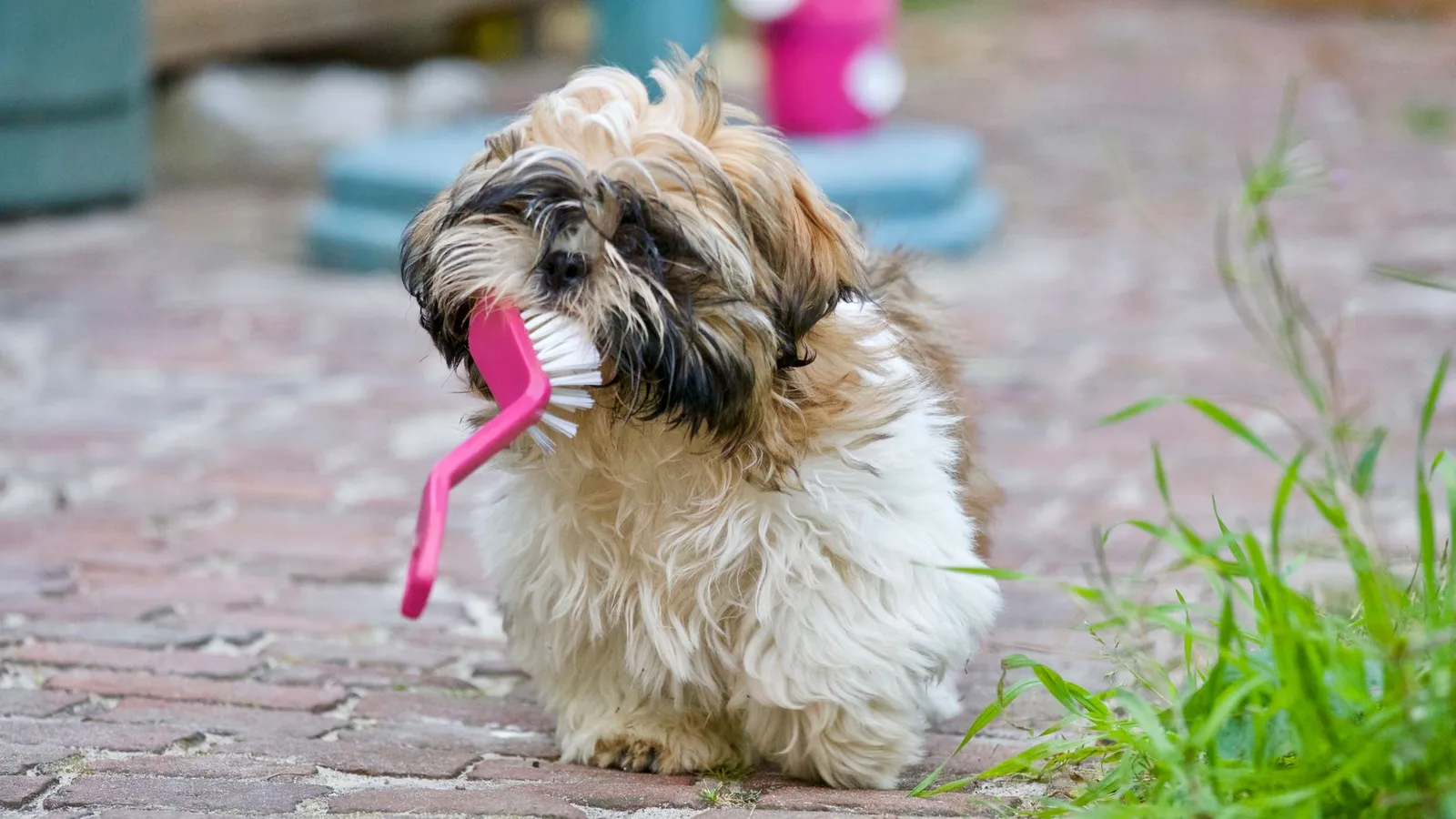
Long silky coats — Shih Tzus, Maltese — want daily brushing and a pro groom every four to six weeks. Curly coats mat fastest. Poodles and Doodles need brushing every day or two. When mats sit on skin, a humane shave-down by a groomer beats an hour with kitchen scissors.
Nine times out of ten, the wrong brush is why home grooming feels impossible. Get the coat type right first.
Indian seasons mess with every grooming routine
Advice written for temperate climates misses half the picture here.
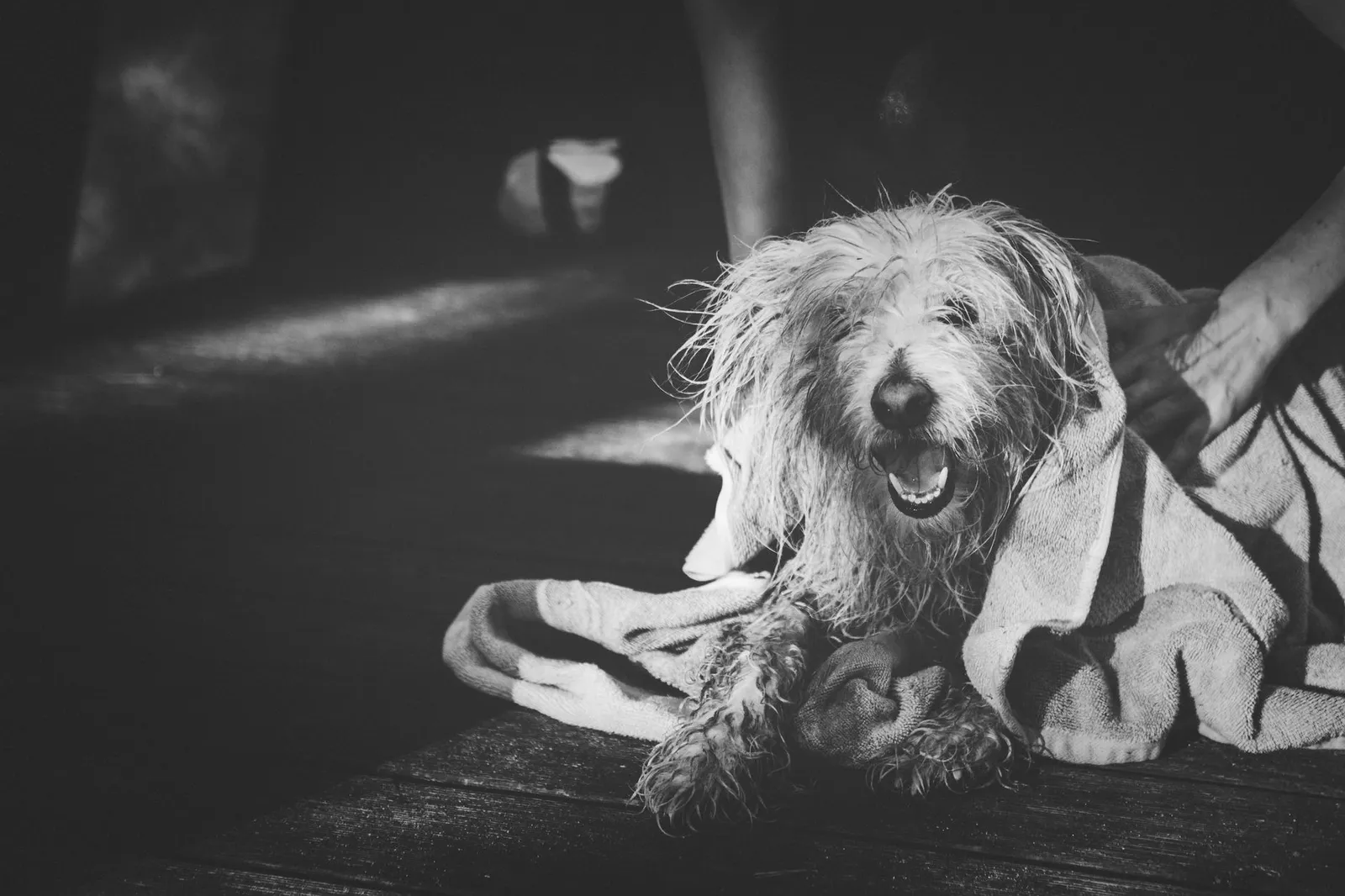
Monsoon: I dry paws and belly after every walk. Moisture between toes is where fungal trouble starts. Brush more to get damp debris out. Full baths every 14 to 21 days are usually enough — daily baths for smell alone strip the skin barrier. Towel into the undercoat, not just the top.
Summer: brush out dead undercoat, trim hygiene areas if needed, keep the coat length. Morning or evening baths when the bathroom is not already a steam room. Pugs and bulldogs need shorter outdoor windows more than a dramatic haircut.
Winter: switch the geyser on before a home bath. Cold rinses make dogs hate grooming for months. We remind Sploot families about this every December. Small detail. Big difference.
An elderly German Shepherd in Gurgaon named Sultan showed me why home grooming matters. Salon trips hurt his joints. At home, with his pet parent nearby, he stayed calm — our groomer sent a photo of his head resting in her lap during a nail trim. That trust is hard to build in a busy salon. For some dogs, dog grooming at home is not a shortcut. It is the only option that works.
When I book a groomer instead of doing it myself
I will tell you when not to book Sploot. Active skin infection, open wounds, a dog who needs sedation to be handled — that is a vet conversation first. Aggression during grooming needs a behaviourist, not a firmer hold.
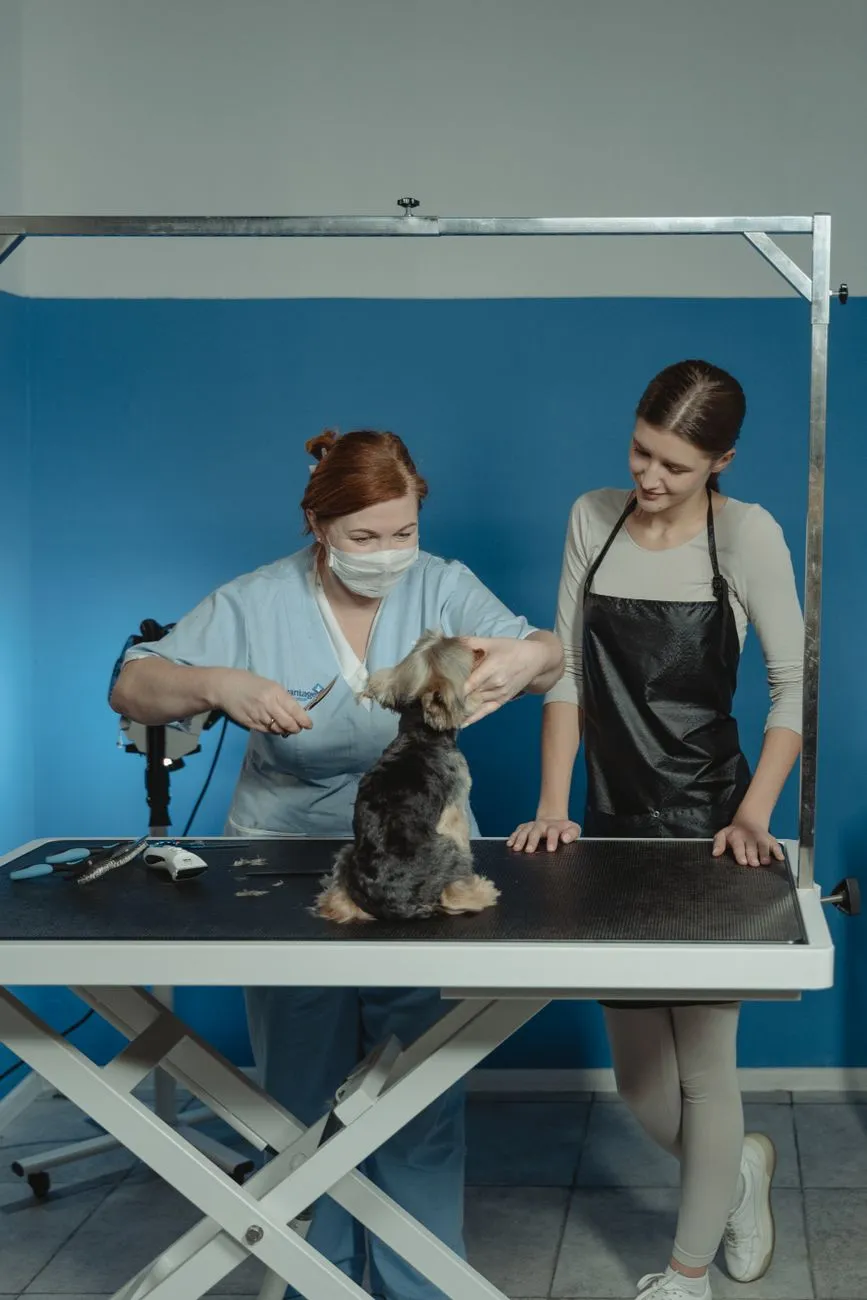
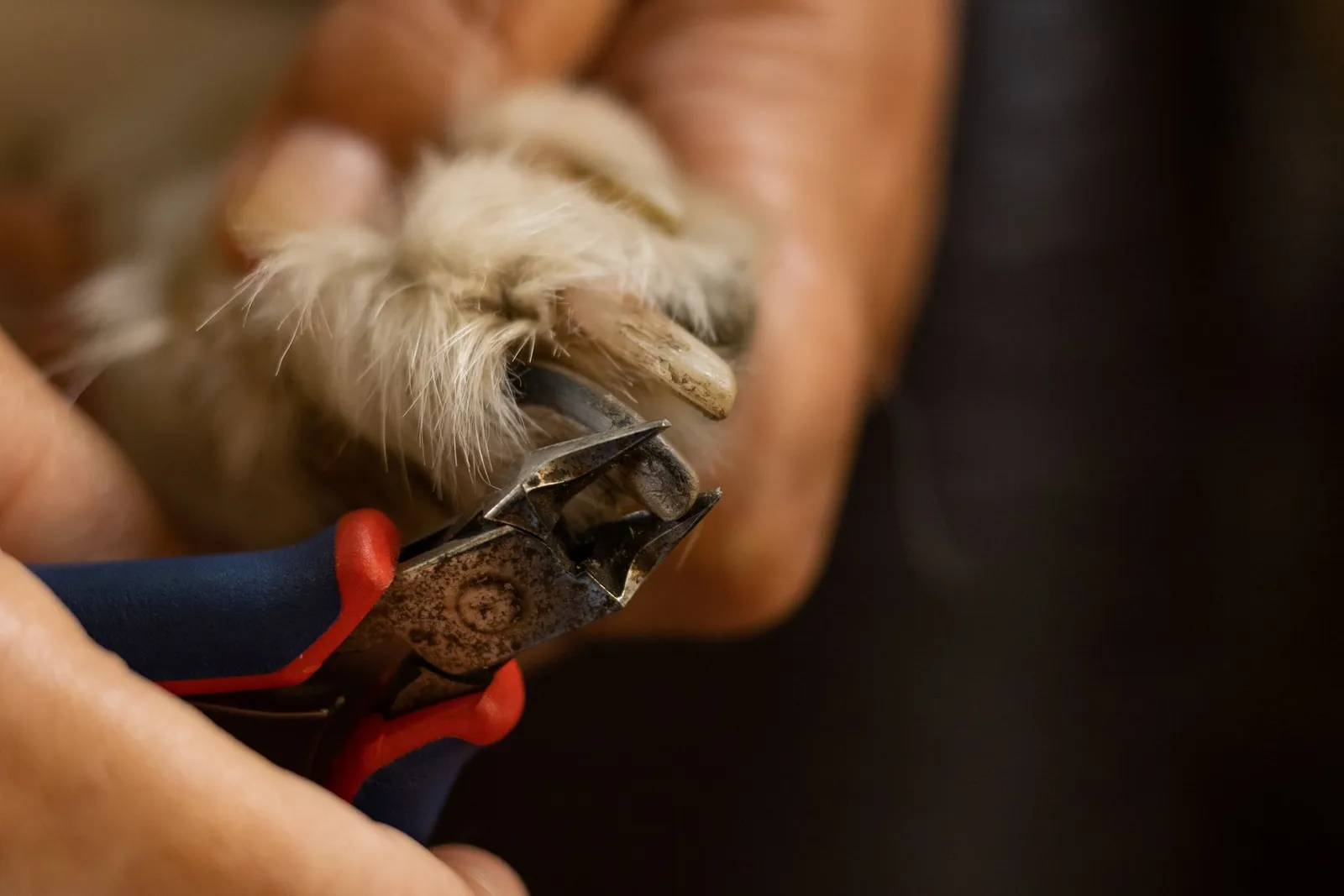
I book a professional when mats are tight to skin, when I need a breed-specific haircut, when nail trims stress us both out, or when the coat is past what my brush can fix.
That is what we built Sploot for — home-visit grooming across 25 cities. A median Bath and Blow Dry runs ₹999 on average nationally. Bath and Clean is ₹1,399 on average. Full Grooming and Spa is ₹2,499 on average — and I would not pay spa prices for a dog who just rolled in mud once. Match the package to the coat.
If your dog grooms every month, a quarterly Bath plan at ₹1,371 per session is the best per-session price we offer — cheaper than one-offs you keep postponing until matting wins. Sessions usually run one to three hours depending on breed; our post on how long dog grooming takes walks through the timing.
Sploot dog parents leave 4.78 stars across 3,361 session reviews after completed walks and grooms. Accountability matters when someone is in your bathroom with scissors.
If you are past the point where home brushing will save the day, book on Sploot or visit sploot.space. I have seen worse mat situations. Your dog will forgive the delay faster than you will.
Straight answers
How often should I groom my dog at home?
Short coats: weekly brush. Double coats: two or three times a week, daily in shedding season. Long and curly coats: daily brushing. Nail check every three to four weeks. Floppy ears: weekly peek inside.
What dog grooming tips matter most for beginners?
Brush down to the skin. Use dog-only shampoo. Keep sessions short. Get the right brush before you buy anything else. Build calm handling before you attempt a full bath.
How often should I bathe my dog?
Most city dogs in India: every two to four weeks. More paw wiping in monsoon, not necessarily more full baths. Skin issues follow your vet.
Can I groom my dog at home or do I need a professional?
Short coats often do fine at home. Long, curly, or matted coats need a pro every four to eight weeks. Mats on skin mean book a groomer — not scissors at home.
What should be in a basic dog grooming kit?
For most Indian dog parents at home: the right brush for your coat type and a dog shampoo. Rubber curry brush for short coats, slicker brush and metal comb for longer ones. Everything else — nail clippers, ear cleaner — gets added once you are comfortable with the basics.
How do I groom a dog that hates being brushed?
Two-minute sessions. Treats during the brush, not only after. Start on the shoulders. Increase time over weeks. Deep anxiety may need a groomer who works with nervous dogs.
Is human shampoo safe for dogs?
No. It disrupts canine skin pH. Use dog shampoo and rinse thoroughly. Persistent itching after baths — vet visit.
What grooming mistakes should I avoid?
Surface-only brushing, over-bathing for smell, cutting mats with scissors, shaving double coats for summer, skipping floppy-ear care. The AVMA on grooming and health notes that grooming is a health check — treat it that way.

FREE GUIDE
Feed your dog right: the complete nutrition guide
Portions, fresh food, treats and what to avoid. Everything about your dog's diet in one free guide.
Read More
Everything your dog needs, in one app.
Track sessions in real time, receive updates, manage bookings, shop essentials and stay connected to your dog's care journey—all from the Sploot app.