
In this post: why walks matter — how much exercise — sniffing vs marching — Indian seasons — city safety — building a routine — when not to walk more — straight answers
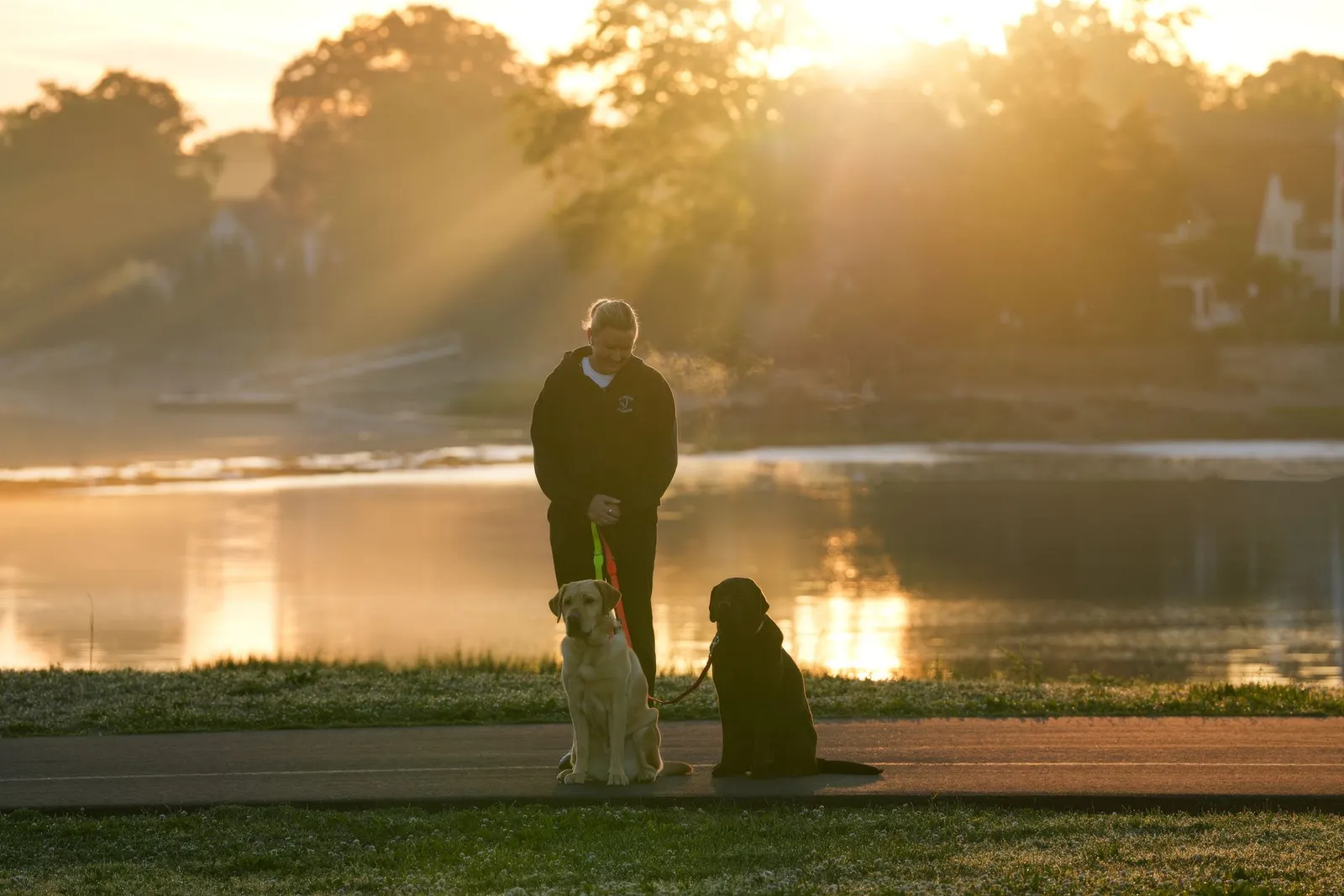
Leash pulling is not a training failure. It is a dog who has never once believed that you know where you are going. Dog walking is the daily outing that gives your dog exercise, toilet breaks, and the mental work of sniffing a world they cannot explore from the sofa. The straight answer for most healthy adult dogs in Indian cities: thirty to sixty minutes total per day, split across one or two walks, timed for the season, with a harness and a fixed-length leash — and sniffing time built in, not treated as a delay.
That baseline shifts with breed, age, and whether you live in a Gurgaon high-rise or a Pune bungalow. The principles do not.
Dog walking is exercise and mental work, not just a toilet break
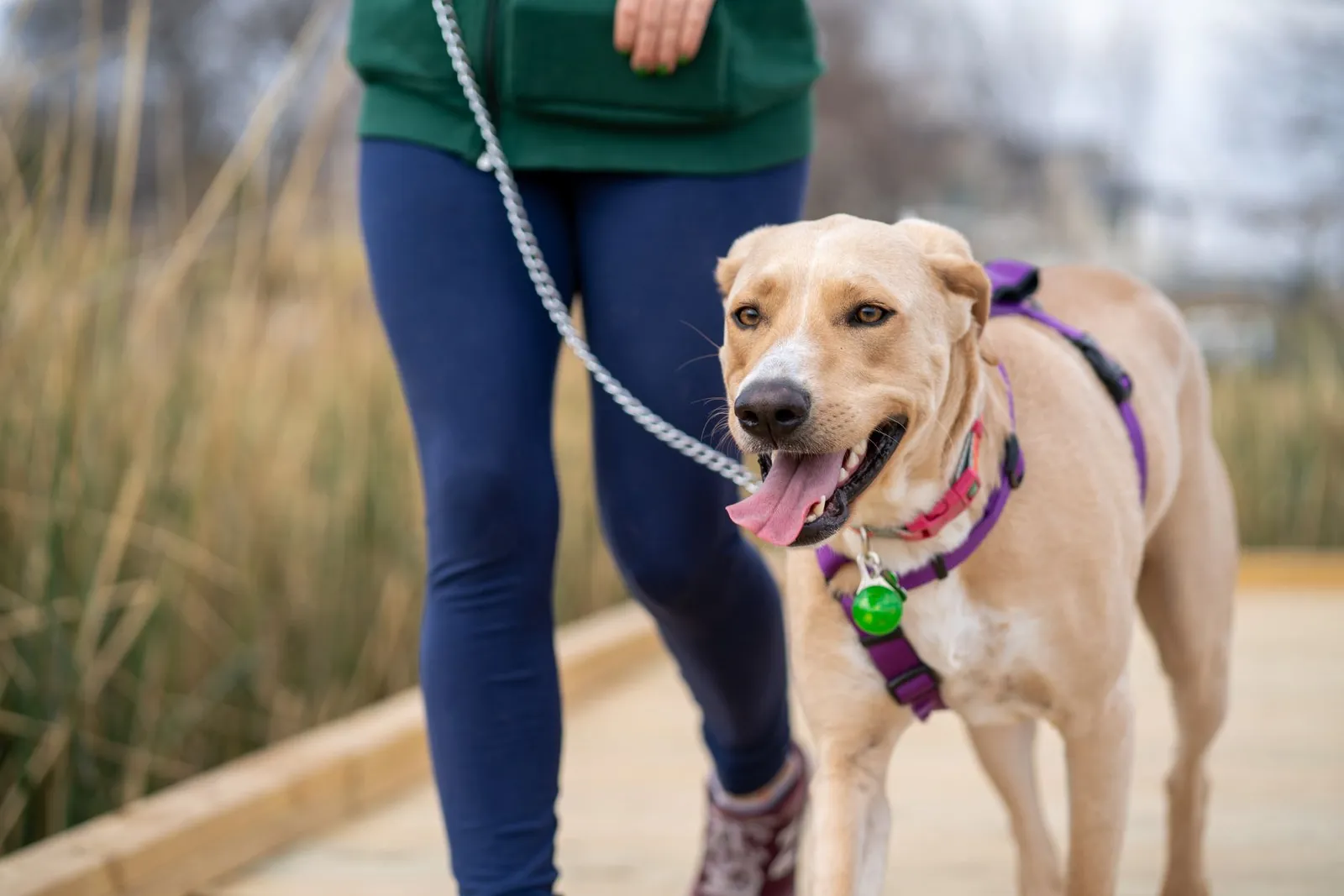
Pet walking is not a euphemism for letting your dog pee on the building lawn and coming back. A proper walk moves the body and the brain. Physical exercise keeps weight in check and joints working. Mental stimulation — sniffing, navigating new smells, processing sounds — is often what calms a restless apartment dog more than an extra kilometre at pace.
The RSPCA advice on walking your dog puts it plainly: walks are a chance for dogs to explore, socialise, and burn energy in ways a garden or balcony cannot replicate. Skip that for a few days and you get boredom barking, destructive chewing, and the zoomies at midnight when you are trying to sleep.
Walking dog and dog walking mean the same thing in practice — you on one end of the leash, your dog on the other. What matters is quality and consistency, not the label on the blog post you read at 11pm.
Our science of dog walking post on Sploot goes deeper into what happens in a dog's brain on a walk. Worth a read if you want the why behind the routine.
Thirty to sixty minutes split across the day is the baseline for most adult dogs
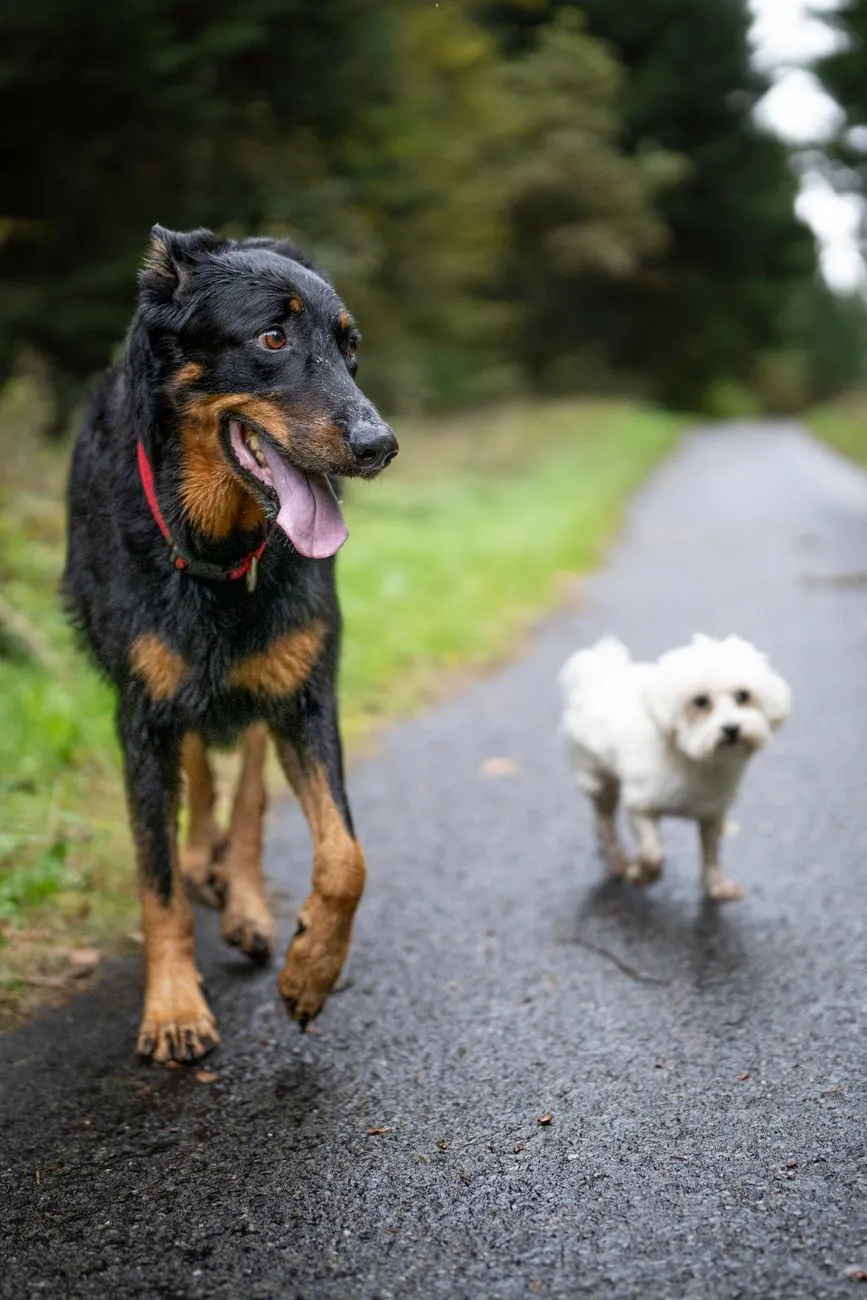
How much walking does a dog need? The Blue Cross on how much exercise dogs need gives a useful starting point: most healthy adult dogs need at least one hour of exercise daily, but that includes play and training — not just leash time. For walking specifically, thirty to sixty minutes split across two outings works for many dogs.
Small breeds and senior dogs often do fine on twenty to thirty minutes total. High-energy adolescents — Labradors, Beagles, indie puppies under two — may need forty to sixty minutes or two shorter sessions. Brachycephalic breeds like Pugs and Bulldogs need shorter, slower outings because heat and breathing limit them faster than enthusiasm.
Puppies are a separate calculation. Five minutes per month of age, twice a day, is the old rule of thumb. A four-month-old gets twenty minutes per outing, not a five-kilometre march because you feel guilty about the crate.
Apartment dogs in Indian cities rarely match the exercise advice written for American suburb dogs with fenced yards. A Labrador in a 2BHK in Bengaluru is not getting the same movement as one on a farmhouse in Lonavala. Adjust length and enrichment to your dog's actual life, not an ideal one from a forum.
A sniffing walk beats a forced march every time
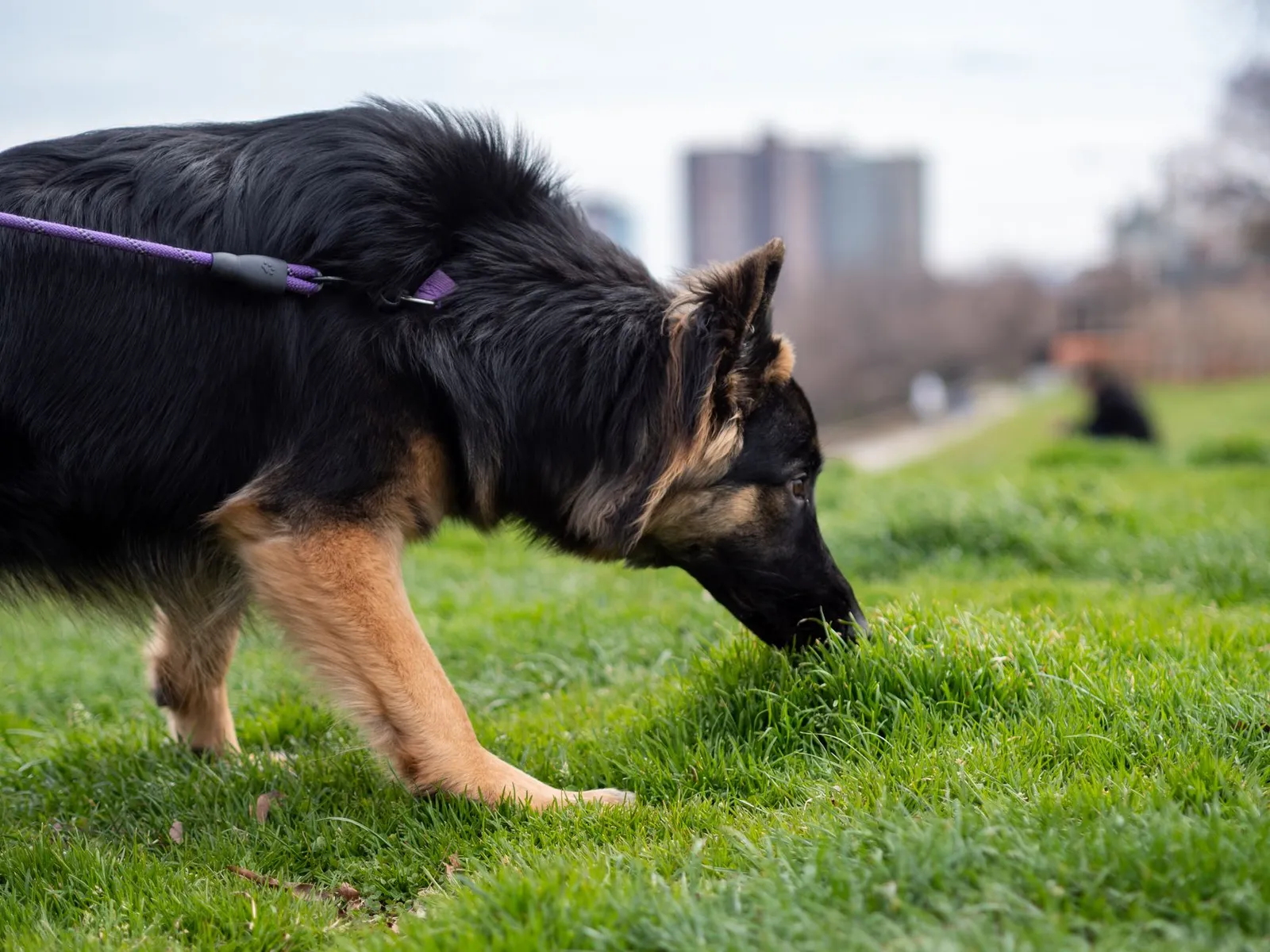
Honest opinion: a tired dog is not always a well-behaved dog. A twenty-minute walk where your dog sniffs, explores, and chooses direction within reason often calms them more than a forty-minute march where you drag them past every bush. Both durations exist on Sploot — twenty minutes from ₹116/walk on quarterly plans and forty minutes from ₹160/walk — because different dogs need different things.
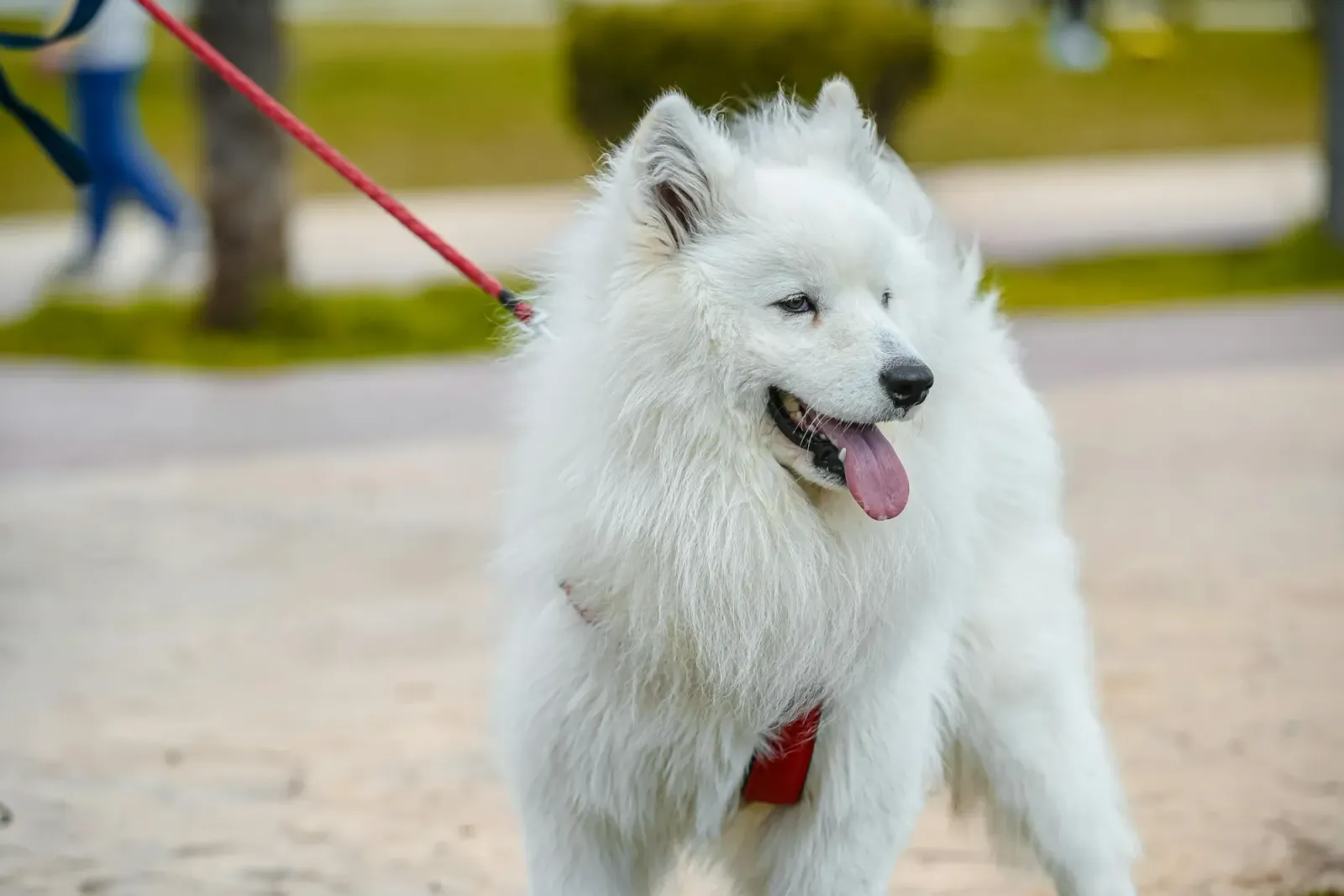
Start calm. Leash on when the dog is sitting or standing quietly, not when they are spinning at the door. Leave when they are calm. Walk with them at your side or slightly behind, not pulling you into the lift.
Use a fixed-length leash around 1.2 to 1.8 metres. A well-fitted harness beats a collar for most pullers and any dog with breathing concerns. Carry poop bags always. Fresh water for longer walks in warm weather.
Let them sniff. That is not wasted time — it is the point. Our post on why sniffing matters on walks explains what dogs process through their nose that we simply cannot see. Redirect pulling with direction changes, not yanking. Reward loose-leash moments with the chance to sniff as the reward.
If leash training is the real battle, fix that before you worry about distance. A walk that starts with your dog launching through the door has already taught the wrong lesson.
Indian seasons rewrite your walk schedule
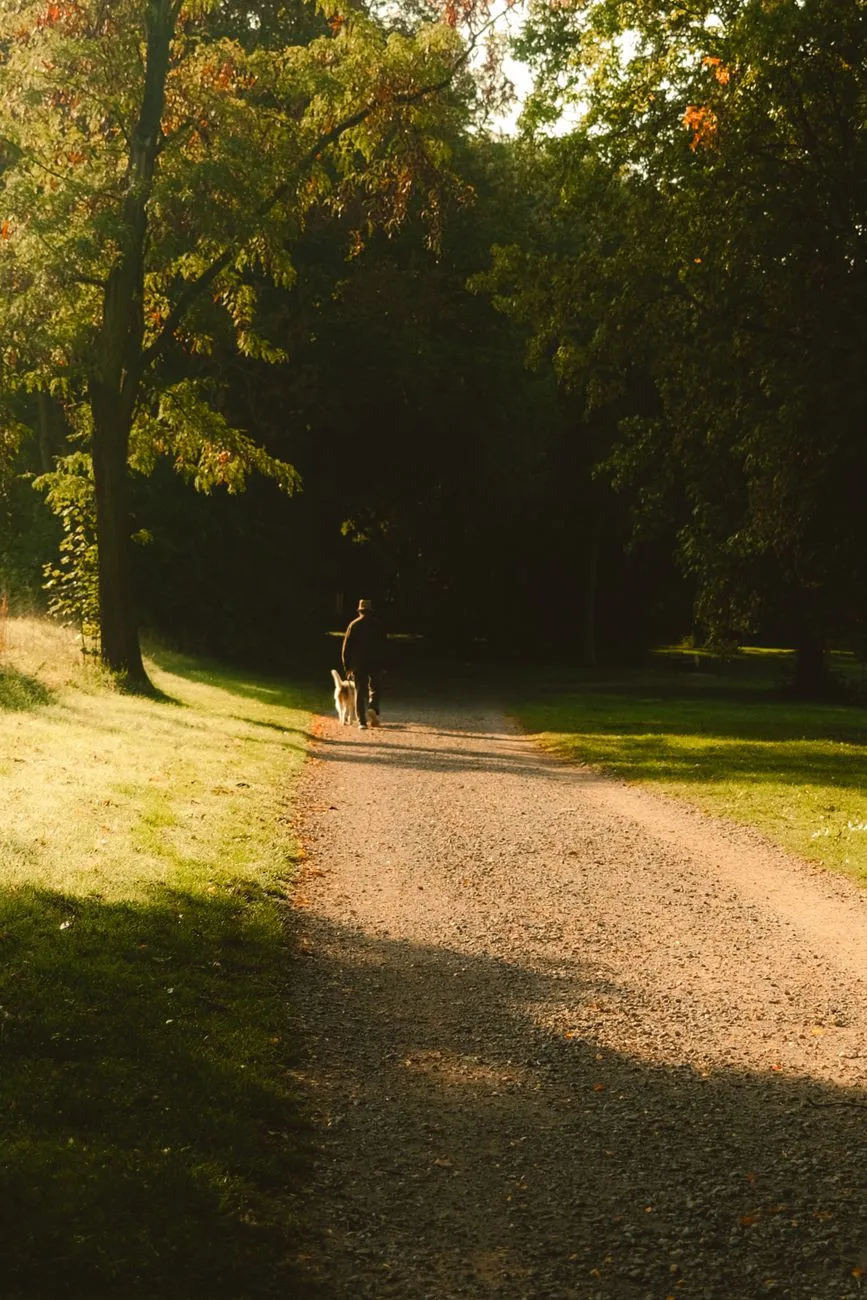
Generic dog walking advice written for temperate climates fails in India within one summer. We see this every year on Sploot. Customers ask for earlier morning walks before the pavement heats up. In winter, many families prefer slightly later slots once the morning chill has eased. Around Diwali, pet parents reschedule walks to avoid the loudest fireworks hours.
Summer: walk before 7am or after 7:30pm. Midday pavement can burn paw pads even when the air feels tolerable. Place your hand on the ground for seven seconds — if it hurts you, it hurts them.
Monsoon: shorter walks during dry windows, towel-dry paws and ears when you get home, and accept that some days are indoor enrichment days. Skipping walks for a week and feeling guilty helps nobody. Puzzle feeders and short training sessions bridge the gap until the rain eases.
Winter in northern India: mid-morning and afternoon walks often beat a 6am outing when the dog and you are both reluctant. Heat kills faster than boredom in summer — that one is non-negotiable.
City walks need gear and timing suburb advice skips
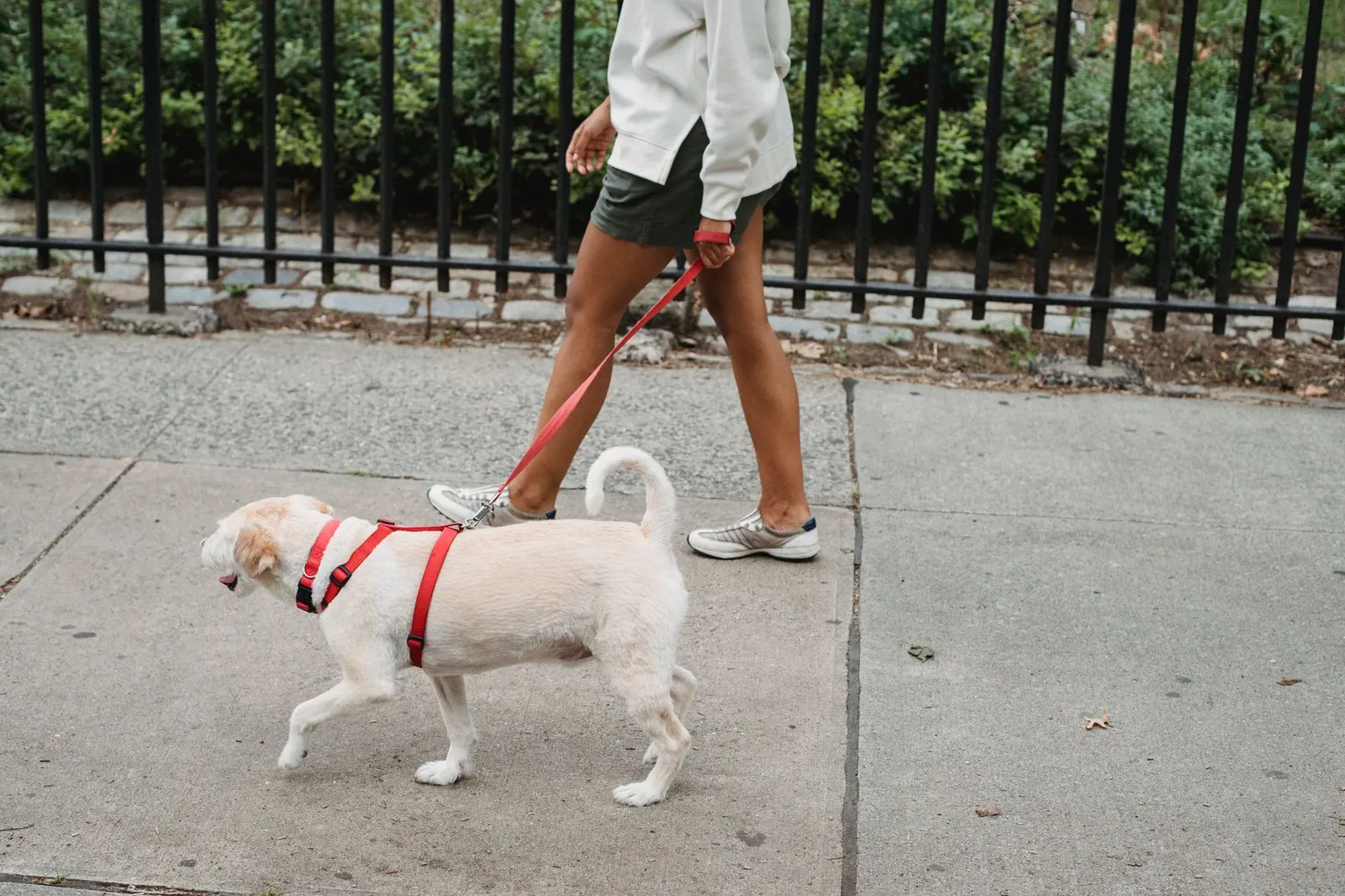
Walking in Delhi, Mumbai, or Bengaluru is not the same as walking in a quiet English village. Traffic, stray dogs, pollution, and broken pavement are part of the route planning — not exceptions.
Walk early when traffic and noise are lower. Pick routes with shade and grass where possible. Avoid isolated stretches with large stray dog packs, especially at night. If a street dog barks from a distance, stay calm, keep your dog close, and move away slowly. Do not run — that triggers chase instinct.
Carry poop bags and actually use them. The AWBI rules for pets in public parks on Sploot spell out what responsible pet ownership in shared spaces looks like. Clean up is part of the walk, not an optional extra.
Air quality matters in major metros. On severe AQI days, shorten outdoor time and add indoor activity. Paw wax or booties help on hot or rough surfaces if your dog tolerates them.
The Kennel Club guide to dog exercise reminds owners that mental stimulation counts toward daily needs. On days when the city makes outdoor walks unsafe, training games and scent work at home are legitimate substitutes — not cheating.
Random walks do not build the routine your dog actually needs
Dogs do better on a schedule than on guilt. Two random walks when you remember beat zero — but a fixed morning slot beats both. That is the case for dog walking services when your calendar cannot hold the routine, not because walking is mysterious.
If you work long hours and your dog waits eight hours between outings, a scheduled walk at the same time daily changes behaviour faster than a heroic weekend hike. Sploot has completed 307,831 dog walks since 2019 — the pattern we see is that consistency matters more than heroic distance.
When you are home, keep the walk you enjoy together. The point of pet parenthood is quality time, not chore management. When you cannot be there, dog walking near me searches and platforms like Sploot exist to fill the gap — not replace every walk you would want to take yourself.
Our dog walker guide covers how to vet someone before you hand over keys. This post is about the walk itself. That guide is about who does it when you cannot.
A one-off 40-minute walk costs ₹199 on Sploot. Quarterly Uno plans bring the per-walk price down to ₹116 for twenty minutes or ₹160 for forty — best price on longer commitments. Subscriptions make sense when the problem is recurring: a dog who needs a daily walk while you are at work, not a single outing before a wedding.
When walking is not the problem at all
More walking will not fix everything. Leash aggression, reactivity, biting history, severe separation distress — those need a trainer or behaviourist, not a longer route. Sploot will say no to a walking subscription when the dog needs structure at home first. That is not a sales tactic. It is the only responsible answer.
Illness and injury are vet-first too. Limping, refusing to walk, heavy panting after a short outing, collapse — vet, not a longer walk tomorrow. Sploot does walking and grooming. We are not a clinic and we say so plainly.
If your dog is thriving on the routine you already have, you do not need dog walking services or a subscription pitch. A five-minute sniff around the block for a senior Shih Tzu who gets tired quickly is fine. Match the walk to the dog.
Straight answers
How many times a day should I walk my dog?
Most adult dogs do well on one or two walks daily. Puppies need shorter, more frequent outings. High-energy working breeds often need two proper walks plus mental enrichment at home.
How long should a dog walk be?
Twenty to forty minutes per outing works for many dogs in Indian cities. Total daily walking time of thirty to sixty minutes split across sessions is a common baseline. Adjust for breed, age, and heat.
What is the best time to walk a dog in India?
Early morning and late evening in summer. Mid-morning and afternoon in winter in northern cities. Avoid midday heat from April through June. Around festivals with fireworks, shift walks to quieter hours.
Can I skip walks during monsoon?
Shorten walks rather than skip entirely when safe. Use dry windows, dry paws and ears after, and add indoor enrichment on heavy rain days. Restart the full routine when the weather eases — do not let one week become three.
Should I let my dog sniff on walks?
Yes. Sniffing is mental exercise. A walk with sniff breaks often tires a dog more than a fast march with sniffing discouraged. Keep control on the leash, but allow stops.
Is a harness better than a collar for walking?
For most pullers and flat-faced breeds, yes. A harness spreads pressure across the chest instead of the throat. Collars are fine for dogs that already walk calmly on a loose leash.
How do I stay safe around street dogs on walks?
Stay calm, keep your dog close, avoid direct eye contact with strays, and move away slowly. Do not run. Pick routes with good visibility and avoid large packs at night. Carry a stick or umbrella as a deterrent if your area requires it.
When should I hire a dog walker instead of walking myself?
When your schedule cannot hold a consistent daily slot and your dog is waiting too long between outings. When travel, injury, or work meetings regularly interrupt the routine. When you have vetted someone through a meet-and-greet and trial walk — not because walking is too hard in theory.
I still feel guilty when a meeting eats the morning walk. That guilt does not walk the dog — a schedule does. Build the routine that fits your dog and your city, sniffing included. When the calendar wins too often, dog walking services on Sploot cover 25 cities with GPS-tracked walks and session reviews from 3,361 Sploot dog parents at 4.78 stars. Book a walk or visit sploot.space. Your building security already knows your dog's name — they should not be the only one taking them downstairs.