
In this post: what one session covers — room setup — seven checkpoints — brush pick — rinse test — nail ladder — haircut zones — apartment dry-down — when to stop — straight answers
How to Groom a Dog at Home: Step-by-Step Guide for India
How to groom a dog at home — brushing, bathing, nails, and haircuts for Indian dog parents.

3 Jul 2026 · 5 min read
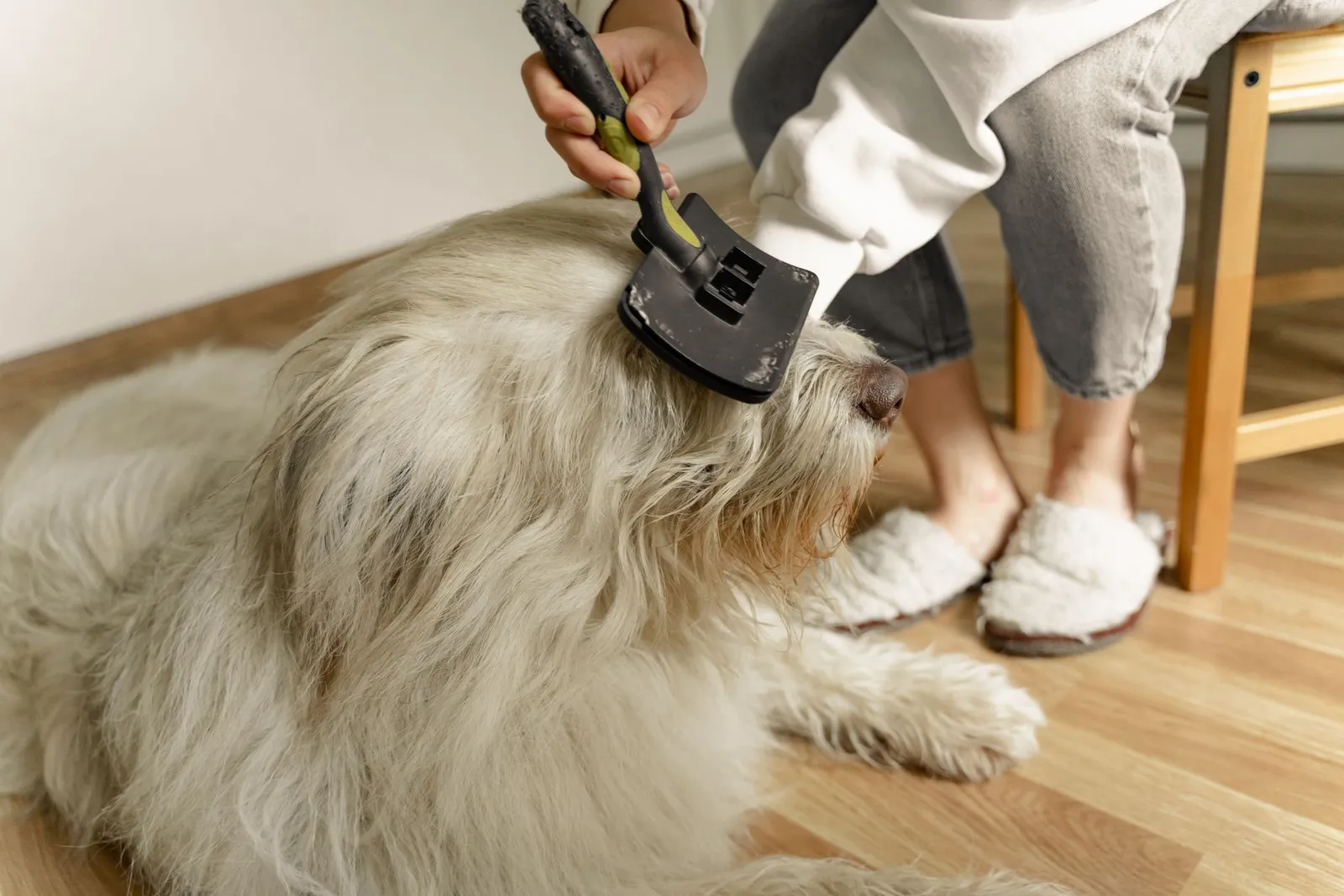
How to groom a dog at home is a sequence, not a mood. Straight answer: a first maintenance groom — brush, bath, nails, quick checks — should take about sixty to ninety minutes if you set up first and never bathe before the brush passes. I learned that with my Golden Retriever Snitch the hard way. I ran the tub, skipped the dry brush, and spent twenty minutes negotiating with a wet mat I could have prevented in five.
This post is the walkthrough — checkpoints at each step, what your hands do, and where dog grooming at home ends. For brush frequency by coat, kit shopping lists, and full bath timing, our dog grooming tips, dog grooming kit, and dog bath posts go deeper. This one stays on the procedure.
A maintenance groom is not a salon day in your bathroom
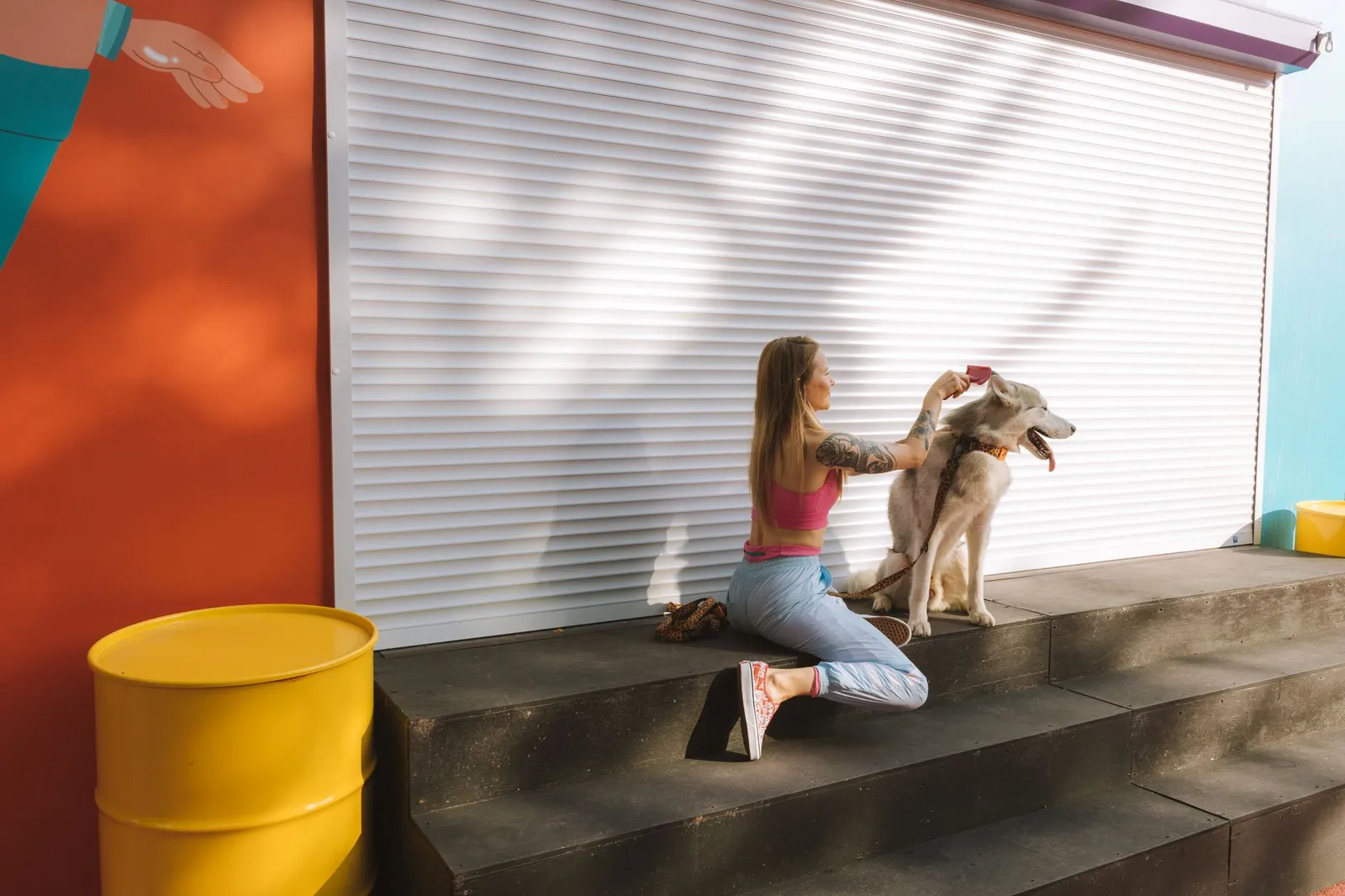
Before you gather tools, decide what you are attempting in one sitting.
A maintenance groom covers: dry brush-out, ear and skin check, nail trim if needed, bath with full rinse and dry, post-bath brush, and light touch-ups only in safe zones. That is dog grooming at home at its useful best — keeping the coat between professional visits.
It does not cover: breed-specific haircuts, dematting mats welded to skin, anal gland work, or sedation-level handling. Those belong to a dog groomer.
If your dog has never tolerated handling, do not start with a full bath. Read getting your pup used to being groomed and run two-minute brush sessions for a week first. A calm dog on step three saves you on step four.
Checkpoint before you begin: comb passes through the dry coat on back, belly, and behind ears without snagging. If it snags, you are brushing — not bathing — today.
Set up the room before the dog walks in
Most failed home grooms are setup failures, not technique failures.
Ten minutes before the dog enters: lay two towels where you can reach them without letting go of a wet dog. Put dog shampoo, brush, comb, and nail clippers on one counter. Non-slip mat in tub or shower. Treats in a dry pocket — not on the wet ledge. Bathroom door closed. Fan on or window cracked for post-bath airflow. In winter, geyser on early so water is warm when you need it.
Pick one handler. A second person can steady a large dog, but more voices usually means more panic. One calm person, one job.
For apartment layouts and the one-spot routine, our pet grooming at home guide covers where to brush versus where to bathe. This post assumes you have picked the bathroom and are ready to run the sequence.
Recommended products

Chonky Chimken Dog Food
From ₹99

Punchy Paneer Dog Food
From ₹99
Run the seven steps — and do not skip a checkpoint
This is the order. Do not rearrange it. Each step has a pass-or-stop line.
Step 1 — Dry brush. Work neck to tail in sections. Brush down to skin. Checkpoint: comb glides through without catching. Fail: stop. No water today.
Step 2 — Eyes and ears. Look only. Discharge, redness, head tilt, or bad smell from ears — vet first. Checkpoint: looks normal. Fail: stop the groom. No bath until a vet clears it.
Step 3 — Nails. Only if claws click or you are already desensitised. Tiny clips. Checkpoint: dog stays loose, not frozen or fighting. Fail: stop nails. Book a groomer for that piece.
Step 4 — Bath. Lukewarm water. Soak fully before shampoo. Neck to tail. Face last with a damp cloth. Checkpoint: rinse passes the drip test below.
Step 5 — Dry. Towel until damp, not dripping. Low-heat dryer on thick coats if tolerated. Checkpoint: you can run fingers to the skin and feel dry, not clammy.
Step 6 — Post-bath brush. Loose coat comes out easier now. Quick pass.
Step 7 — Trim. Green zones only — paw pads, hygiene area, maybe leg feathering if the dog stayed still. Yellow and red zones wait for a pro.
Red skin, open sores, sudden bald patches, or a dog who will not let you touch one area: stop the whole session. Sploot groomers handle coat work. We are not a substitute for a medical workup.
Pick your dog grooming brush in thirty seconds
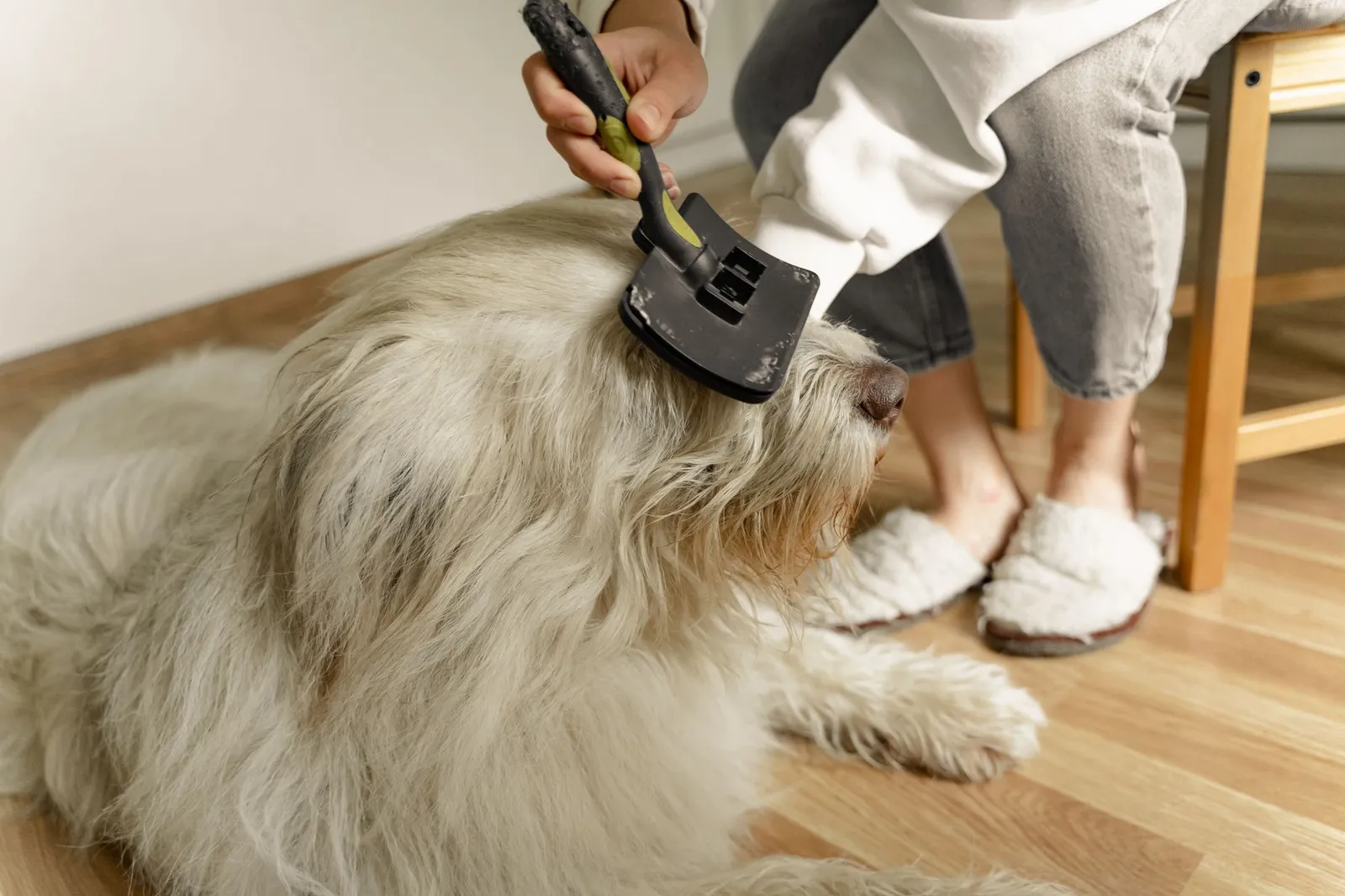
You do not need a shopping lecture here — our dog grooming kit post covers every tool. For this session you need one correct brush in hand before step one.
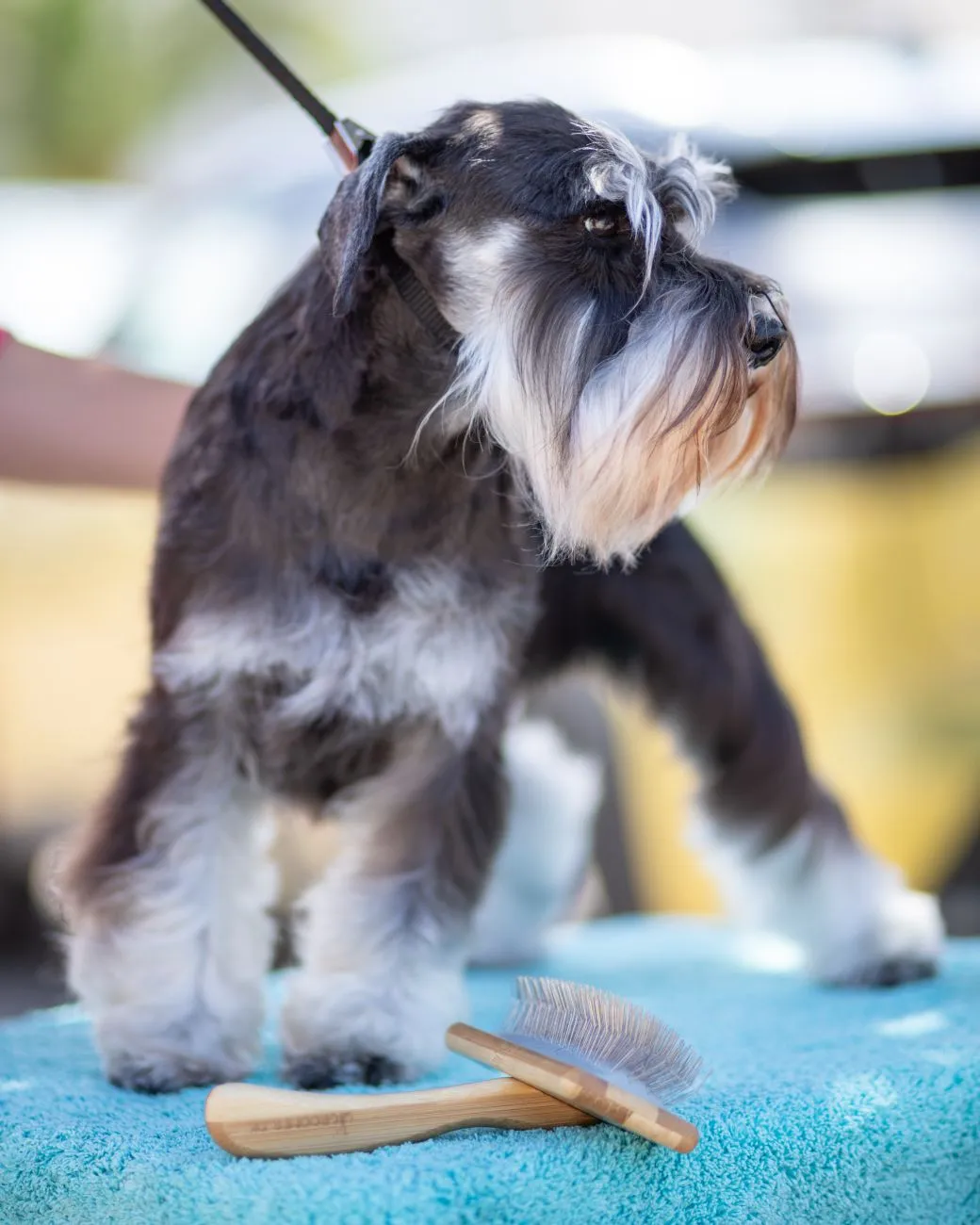
Smooth or short coat — rubber curry or soft bristle. Double coat — slicker plus metal comb. Long or curly — slicker plus wide comb.
Wrong brush, wrong result. A curry brush on a matted Shih Tzu feels like you groomed. You did not. Match the tool, run the checkpoint in step one, move on.
If you are unsure which category your dog falls into, our dog grooming tips post breaks down coat types and how often to brush between sessions. This walkthrough only cares that the comb passes before the tap turns on.
The rinse test is where most home baths fail
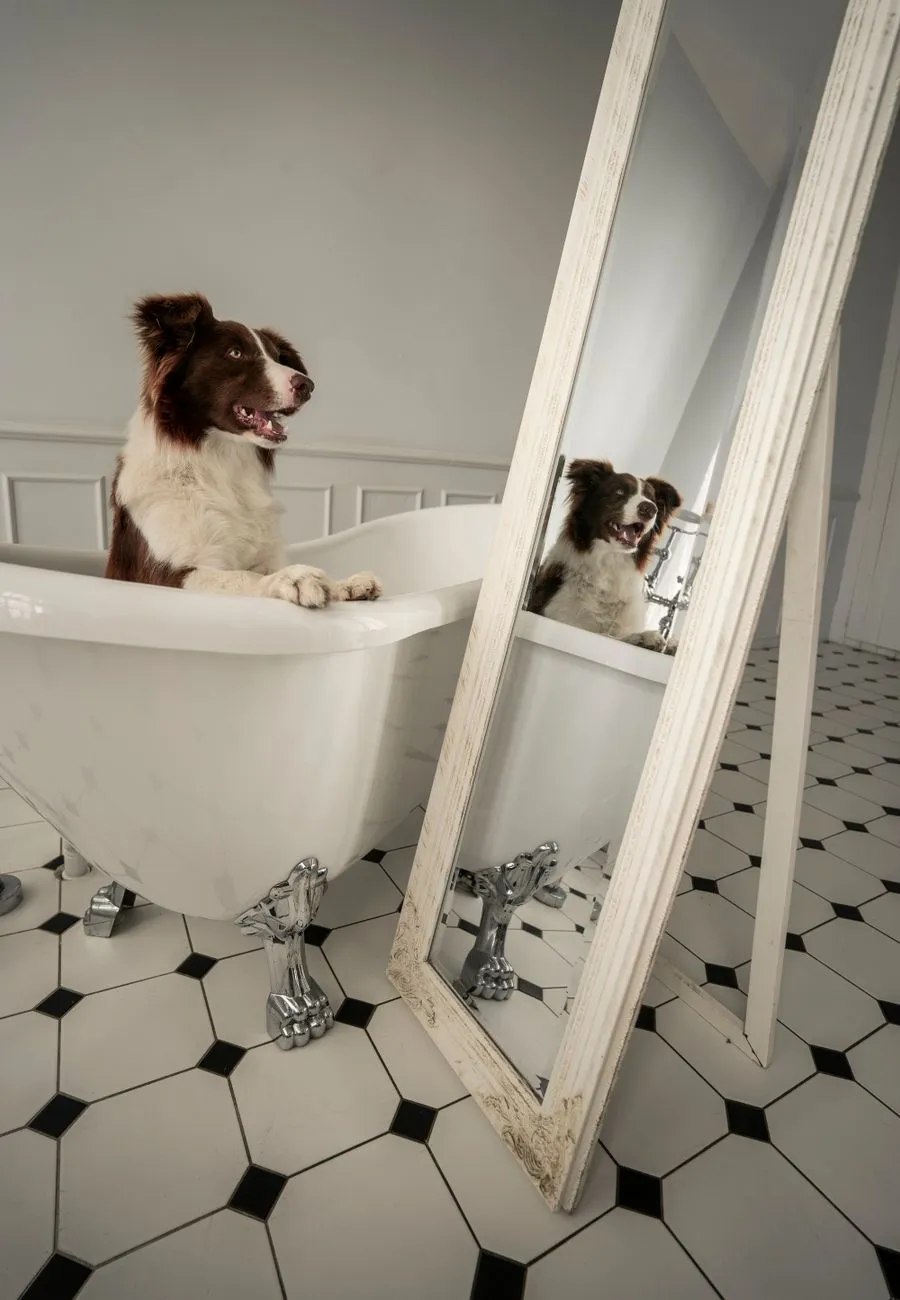
How to bathe a dog without creating a skin problem comes down to rinsing, not fancy shampoo.
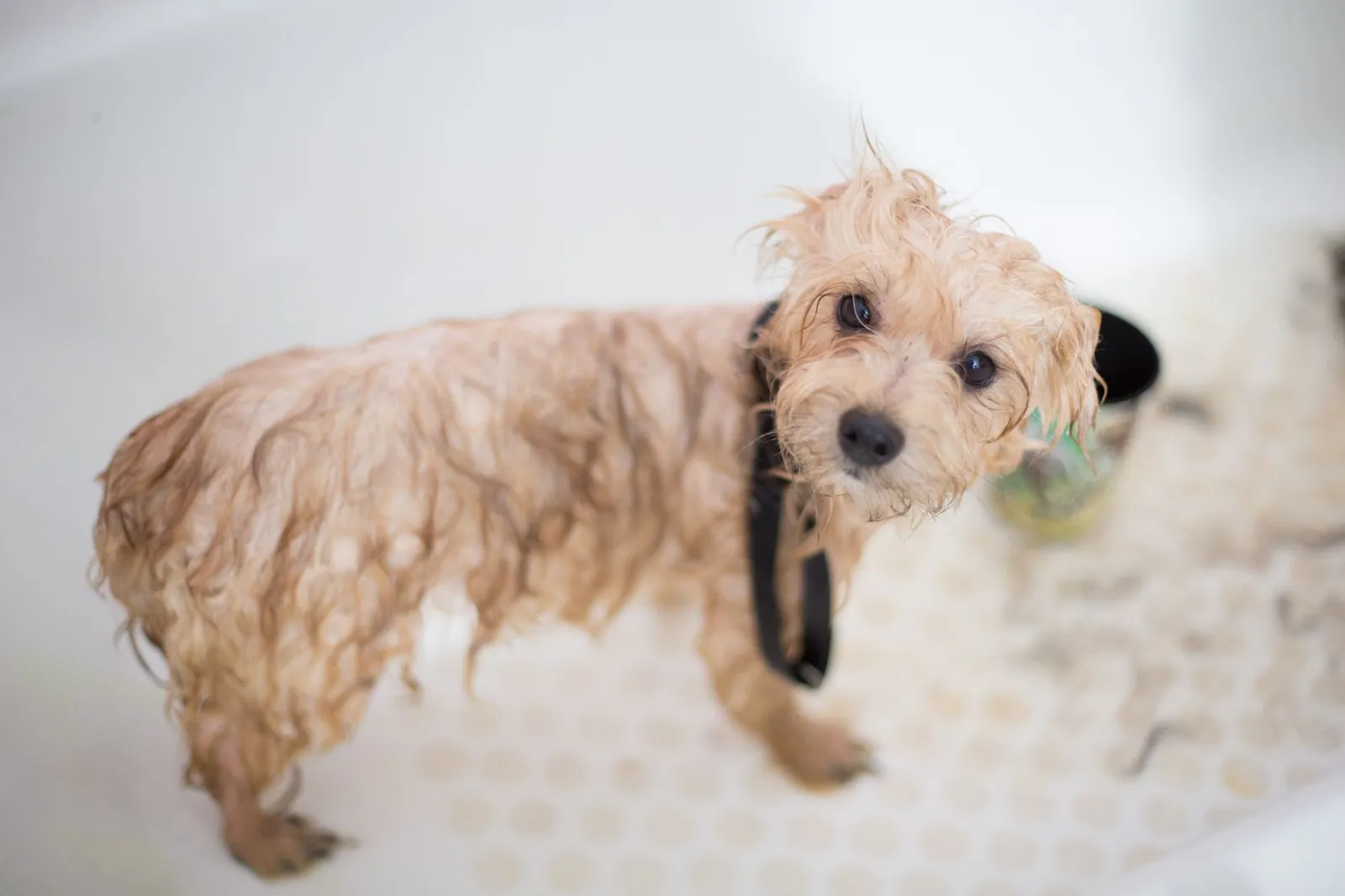
After you lather: squeeze a section of coat flat between your fingers and look at the water running off. Cloudy or sudsy — keep rinsing. Clear water — do that check on three more sections, then rinse once more anyway. Shampoo residue is the main reason dogs itch three days after a home bath in humid cities.
Keep inner ears dry — cup them when you work near the head. Face last. Never spray directly into eyes or ear canals.
For full bath setup, shampoo choice, and how often to schedule bath day, our dog bath guide is the place to go. This section exists because nine out of ten owners who tell me home bathing failed them did not fail at washing — they failed at rinsing.
The American Kennel Club grooming guide and VCA on bathing dogs both stress thorough rinsing and complete drying. Same principle, less glamorous than buying a new bottle of shampoo.
Dog nail cutting works on a ladder, not in one heroic clip
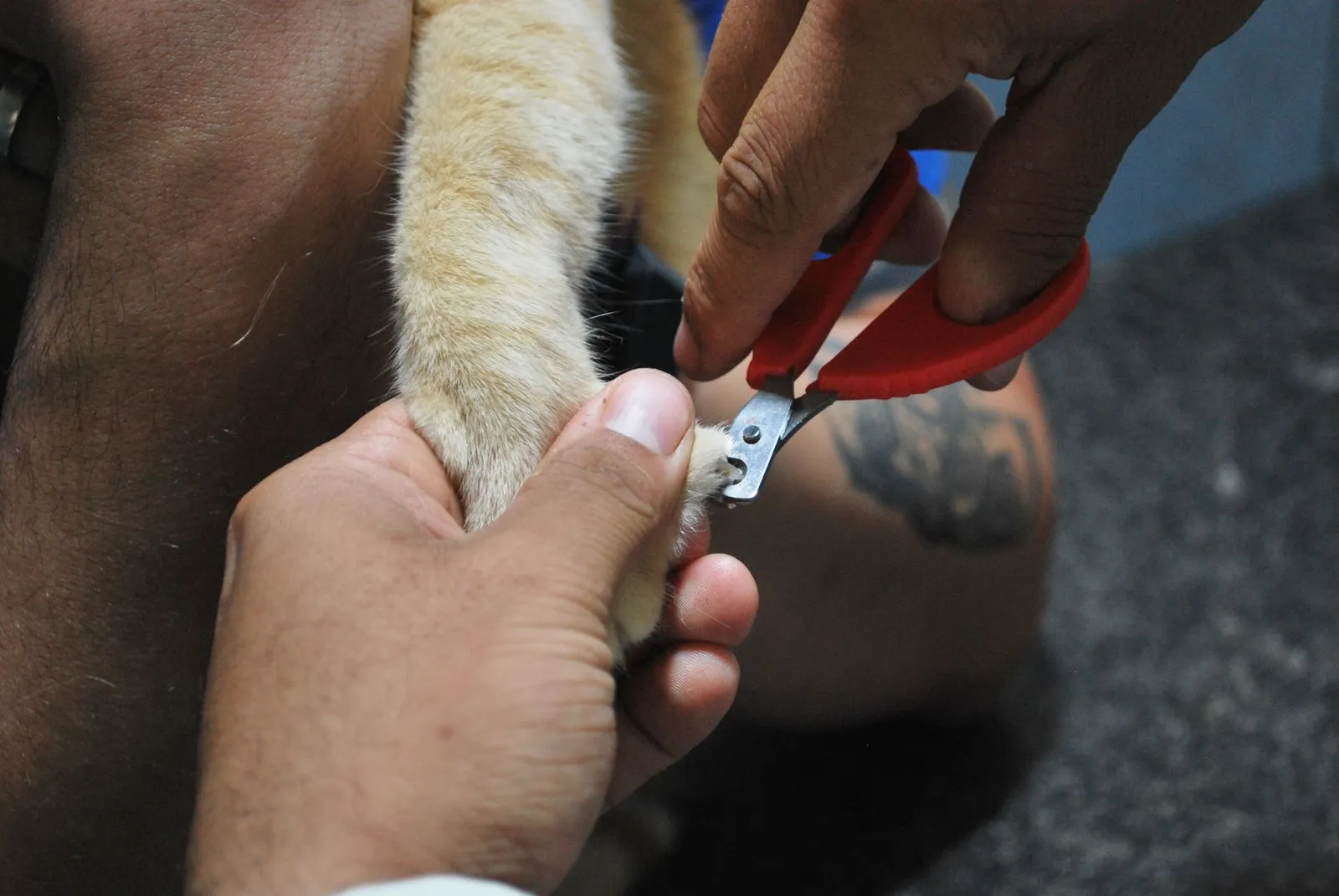
If your dog already tolerates nail trims, clip the tip and stop. This section is for the dog who has never cooperated.
Week one: touch paws during calm moments. Treat. No clippers visible.
Week two: hold clippers near a paw. Treat. No cut.
Week three: one nail, one sliver, treat, stop the session.
Week four: two nails if the dog stayed loose.
That is dog nail cutting as a training project, not a Sunday battle. If the dog thrashes at week three, you are on week two again — not forcing a full paw because you blocked calendar time.
Dark nails: smaller bites. Stop when the cut surface looks dry, not moist. Styptic powder within reach.
A clicking nail does not need a full groom booked. A dog who learns that nail time means a fight needs a behaviourist or a patient groomer — not longer clippers.
Dog haircut at home has green, yellow, and red zones
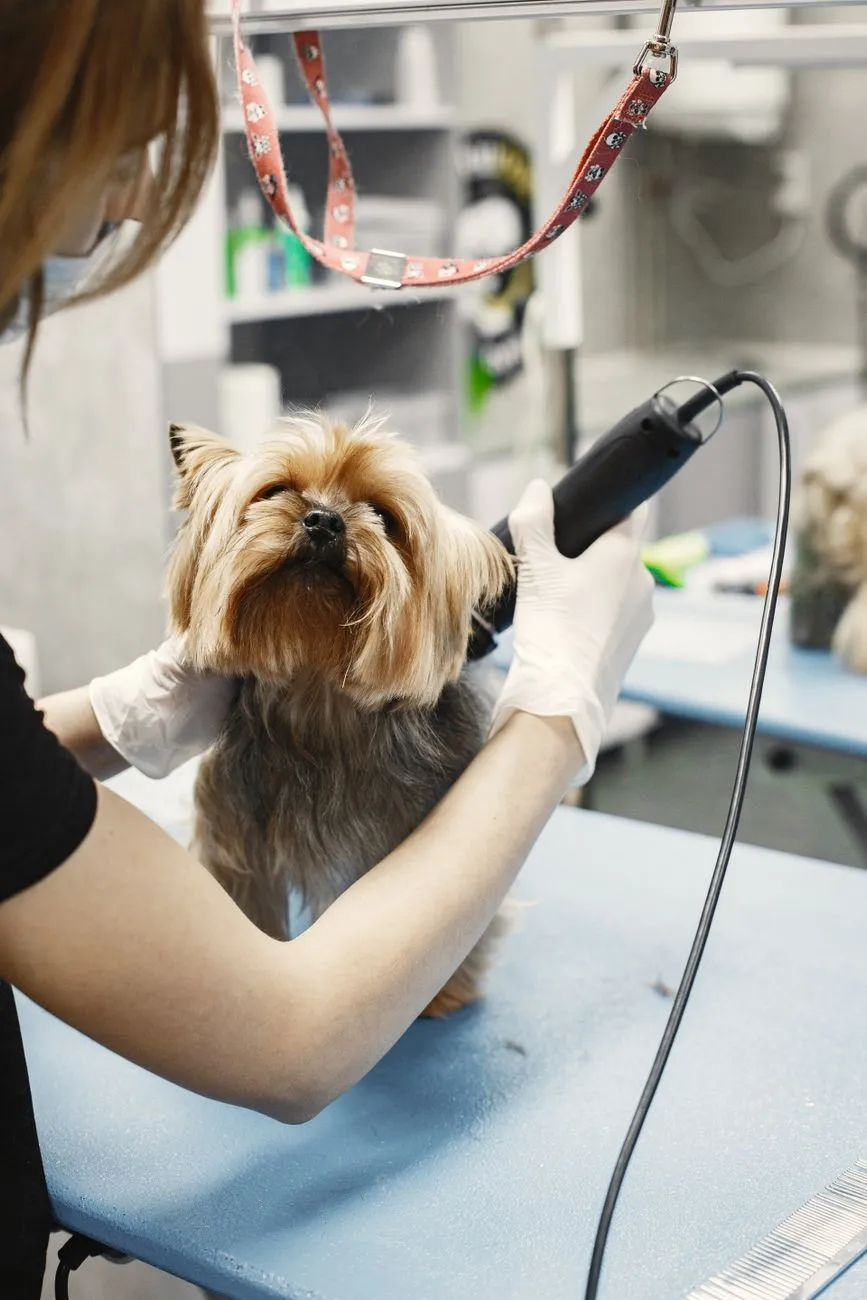
Most pet parents ask about dog haircut at home when they mean one safe trim — not a breed cut. I use three zones so the line stays clear.
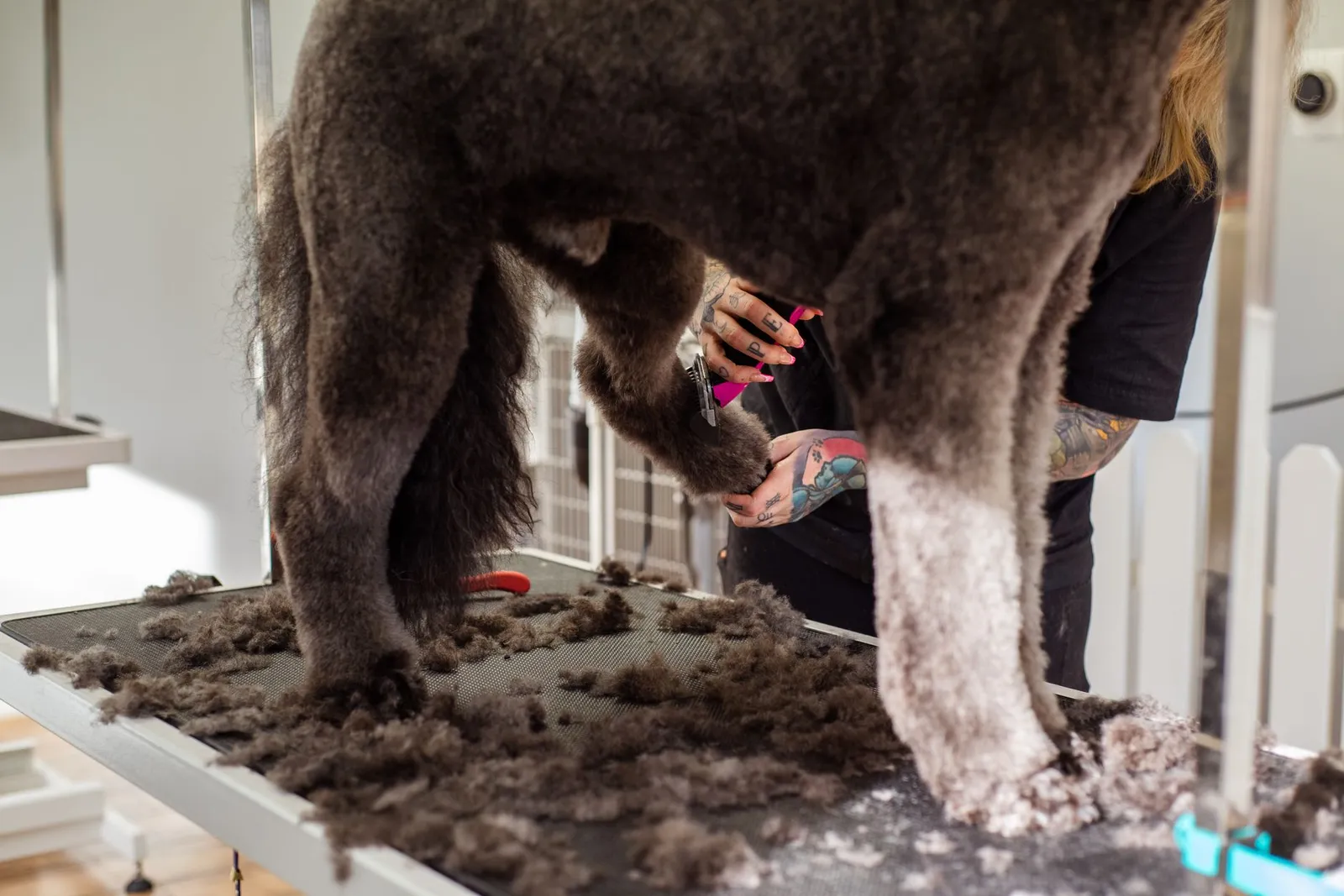
Green — paw pads for grip, hygiene trim around the rear, feathering on legs if the dog is calm and you have quiet clippers. Slow, small, stop while it is still going well.
Yellow — chest tidy, skirt shorten, face tidy on a very still dog. Blunt-ended scissors only. Second person helps. If the dog moves, you stop.
Red — face on a wriggler, full body clip, mat removal near skin, breed-specific styles, any area where skin tents into fur. Book a groomer. Kitchen scissors and hope belong here, and that is how nicks happen.
Shaving a matted coat is a last resort, not a YouTube tutorial. When mats sit on skin, dematting runs ₹1,598 on average nationally — and that is still cheaper than fixing a home haircut gone wrong on an angry dog.
Dry-down in an Indian apartment needs airflow, not hope
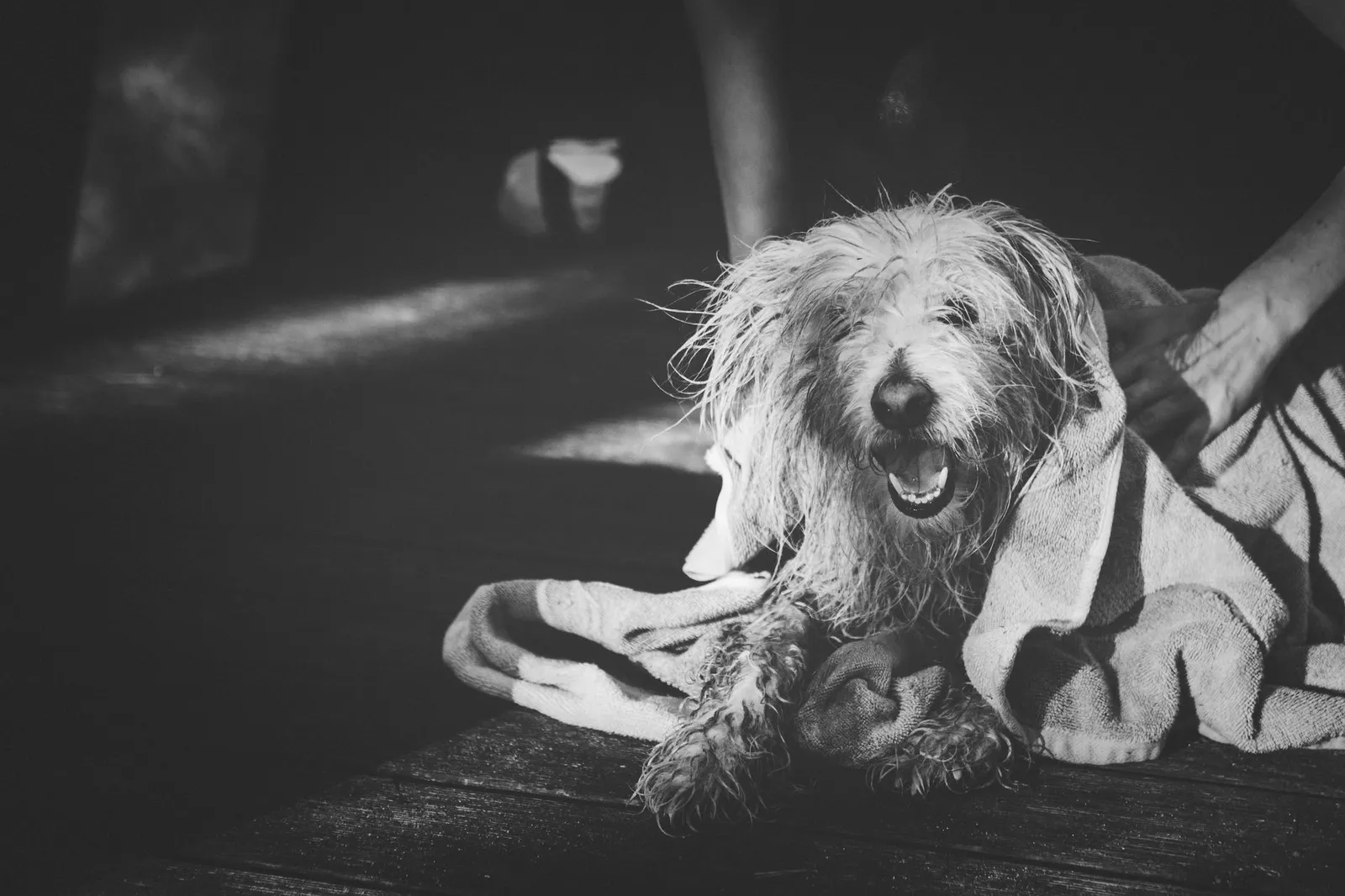
One detail that does not get enough airtime in generic how-to guides: damp undercoat in a closed 2BHK bathroom is a skin problem waiting to happen.
After the bath: towel until the dog is damp, not dripping. Move to a room with a fan or open door. Run fingers to the skin on chest and armpits — if it feels cool and wet, keep drying. Microfibre towels beat old cotton bedsheets for pulling water out fast.
Monsoon, summer heat, winter geyser timing — all of that changes how often you bathe and when you schedule it. Our dog grooming tips and pet grooming at home posts cover season-by-season routines. For this walkthrough, the rule is simple: never call the groom done while the coat is still clammy at the skin.
Stop the session and book a groomer when you hit these lines
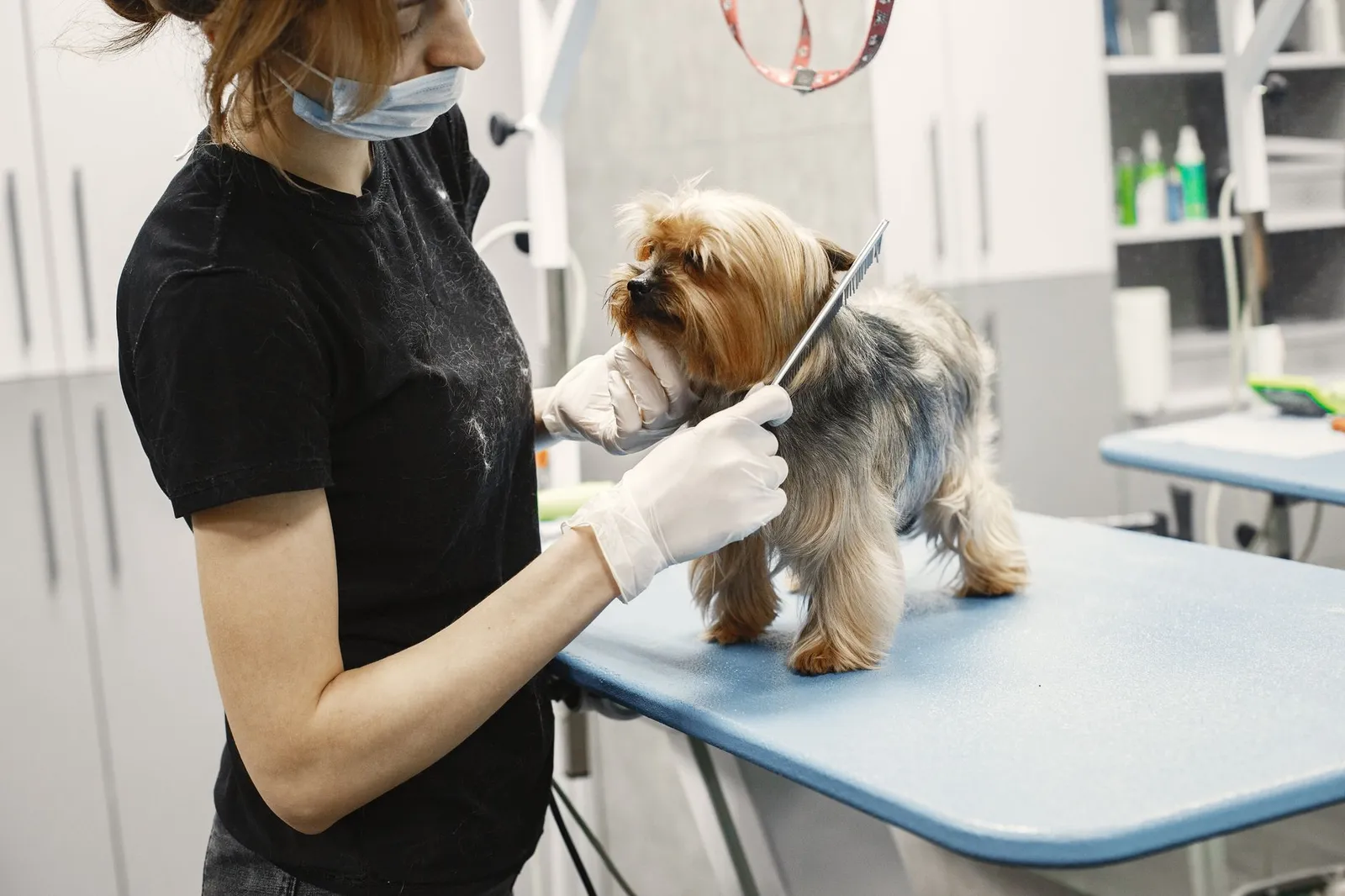
I will tell you when not to book Sploot. Active infection, open wounds, a dog who needs sedation — vet first. Aggression during handling — behaviourist, not a firmer grip.
Book a professional when: the comb will not pass and mats sit on skin; you need yellow or red zone work; nail trims have become a fight you are losing; or you have hit the ninety-minute mark and still have a half-wet dog with cloudy rinse water.
That is what home-visit grooming is for — pro tools in your bathroom without the salon drive. Our pet grooming near me guide walks through what to ask on price and inclusions before someone arrives. Sploot serves 25 cities; book on sploot.space when the checkpoint system says stop.
If a five-minute brush solved today's problem, do that and skip the bath. Sploot will tell you that plainly. The point of learning how to groom a dog is knowing when you already have.
Straight answers
What order should I groom my dog in?
Dry brush, eye and ear check, nails if ready, bath, dry with airflow, post-bath brush, green-zone trim only. Never bathe before the comb passes on dry fur.
How long does a home grooming session take?
A maintenance groom on a cooperative medium dog: sixty to ninety minutes including setup and dry-down. A matted coat or a fearful dog takes longer — or should stop early and go pro.
Can I groom my dog at home on the first try?
Yes, if you attempt maintenance only — brush, bath, nails on a dog who already tolerates handling. No breed cuts, no mat salvage, no full session on a dog who has never been brushed. Build up with short sessions first.
What tools do I need for one home grooming session?
Coat-matched brush, metal comb, dog shampoo, towels, non-slip mat, nail clippers if doing nails, styptic powder. Full kit breakdown lives in our dog grooming kit post.
How do I know if I rinsed enough?
Squeeze flat sections of coat and watch the runoff. Clear on multiple spots, then one more full rinse. Itchy skin three days later often means residue, not a bad shampoo brand.
Can I cut my dog's hair at home?
Green zones only — paw pads, hygiene area, calm leg feathering. Yellow zones need experience and a still dog. Red zones — face on movers, mats on skin, breed styles — need a groomer.
What is the biggest mistake when learning how to groom a dog?
Bathing before brushing. Wet tangles tighten. Second place: calling the dog dry when the undercoat is still damp. Both are fixable once you know the checkpoints.
When should I stop trying at home and book a groomer?
Comb snags on mats at the skin, dog shuts down or snaps, rinse still cloudy after twenty minutes, or any skin lesion you cannot identify. Book before it becomes an emergency shave.
If you ran the checkpoints and the coat still won, book on Sploot or visit sploot.space. Your dog will forgive a late groomer faster than a rushed home session gone wrong.

FREE GUIDE
Feed your dog right: the complete nutrition guide
Portions, fresh food, treats and what to avoid. Everything about your dog's diet in one free guide.
Read More
Everything your dog needs, in one app.
Track sessions in real time, receive updates, manage bookings, shop essentials and stay connected to your dog's care journey—all from the Sploot app.