
Your dog is scratching at 2am again. You changed the shampoo. You checked for fleas. The kibble bag now says hypoallergenic in friendly letters. Straight answer: hypoallergenic dog food is food formulated to reduce the chance of triggering an immune or gut reaction — usually through a single novel protein, a hydrolyzed protein, or a very short ingredient list. It is not a magic sticker. It is a tool your vet uses after they figure out what your dog is reacting to.
Hypoallergenic Dog Food in India: Signs, Diets, and Vets
Hypoallergenic dog food in India: spot itching and gut issues, pick novel or hydrolyzed diets, and run a vet-led elimination trial.

13 Jun 2026 · 2 min read

Most Indian dogs eat chicken every day — kibble, treats, table scraps, the biscuit you handed them during training. Chicken shows up on allergy lists more often than exotic proteins partly because it is everywhere, not because chicken is evil.
Hypoallergenic dog food means fewer triggers, not a marketing badge
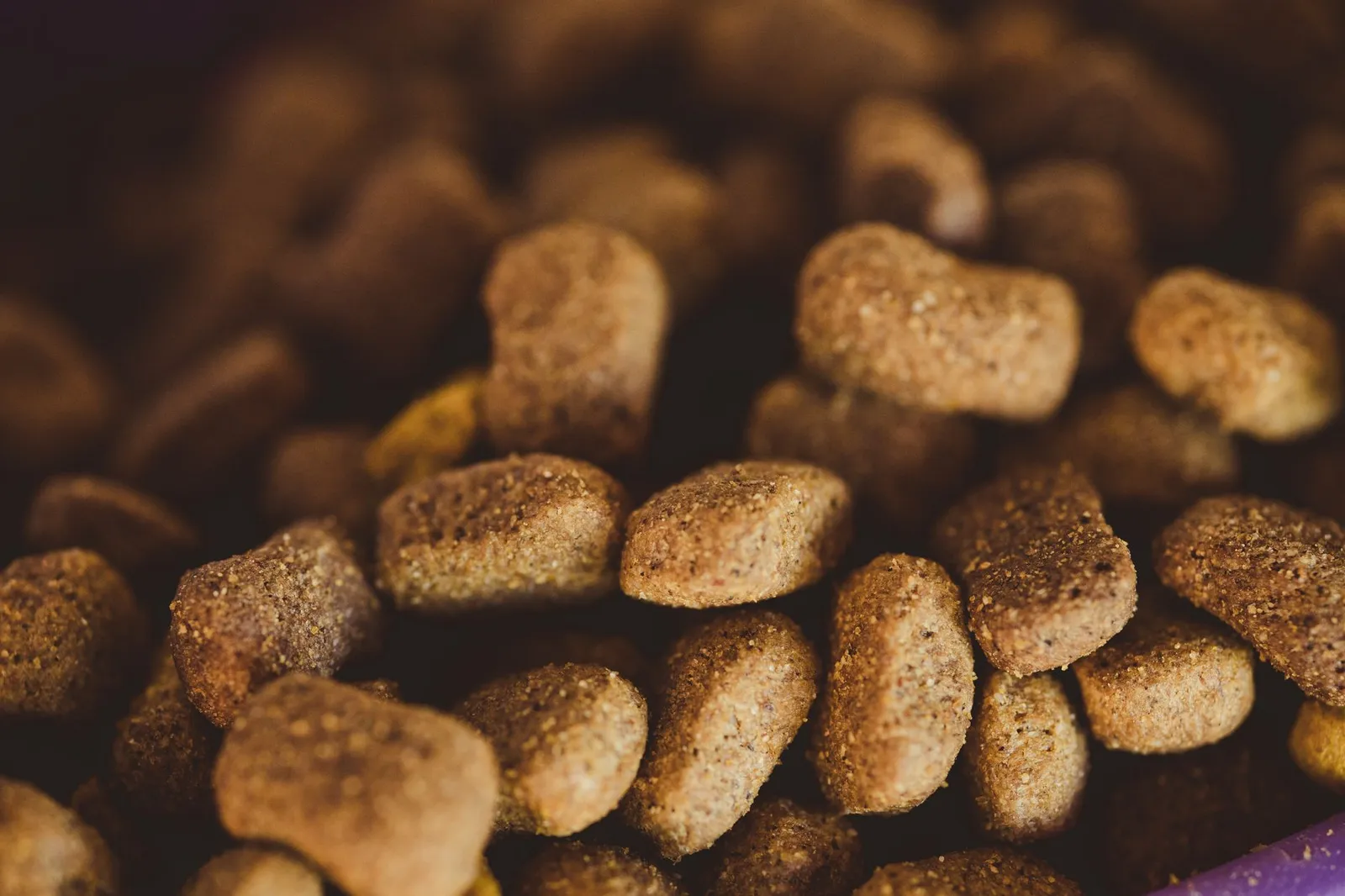
In India, hypoallergenic is not a legally protected label on pet food. Any brand can print it on dry dog food or kibble dog food if the recipe looks limited enough. That makes reading the ingredient panel more important than reading the front of the bag.
True hypoallergenic diets usually work in one of two ways. Novel protein or limited-ingredient diets use a protein your dog has not eaten before — fish, duck, lamb, mutton — so the immune system has no prior grudge. Hydrolyzed diets break proteins into fragments too small for the immune system to recognise. Those are often prescription lines your vet sells after a diagnosis, not something you grab on impulse at the pet shop.
Expensive kibble is not automatically better. Read the protein source, fillers, and life stage — not the Instagram ad. Our best dog food in India guide on Sploot walks through formats and dog food brands without pretending one bag fits every dog.
Scratching, ears, and loose stools often trace back to the bowl
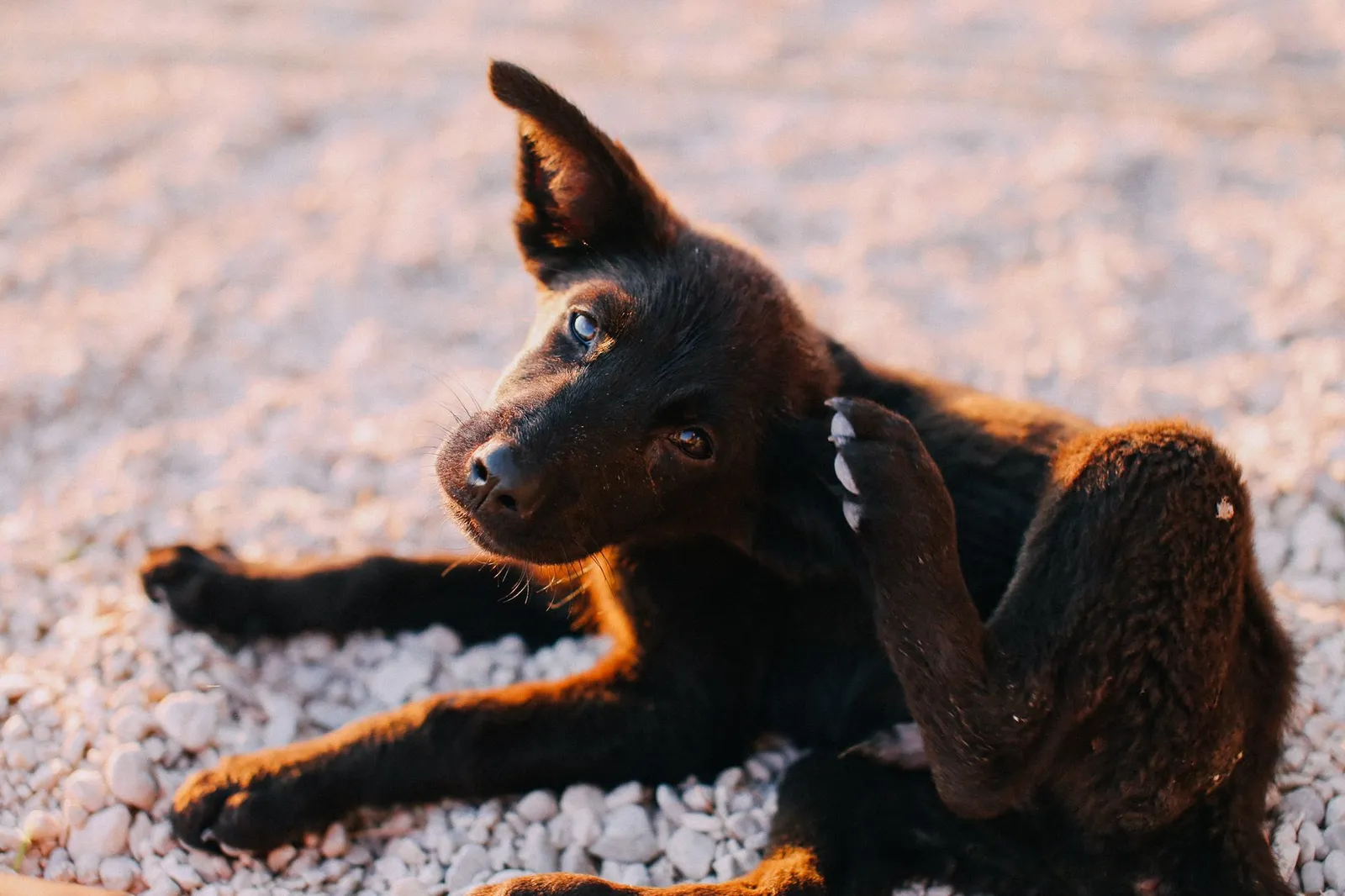
Food reactions in dogs show up on the skin and in the gut more often than dog parents expect. Watch for a cluster, not a single bad day.
Persistent itching — paws, face, belly, armpits — especially year-round, not just in pollen season. Recurring ear infections that clear on medicine and come back when you stop. Red skin around the eyes or muzzle. Chronic loose stools, gas, or vomiting tied to meals. A dull coat that brushing does not fix.
That last one overlaps with when a dog is not eating food normally. One skipped meal after a hot afternoon is common in Indian summers — our do dogs eat less in summer post separates heat appetite from illness. Two days of refusing food, lethargy, or blood in stool is a vet call, not a diet swap.
If two or more symptoms keep returning, talk to your vet before you buy another bag. VOSD on food allergies in dogs notes chicken, beef, and dairy — curd, paneer, ghee — as frequent triggers in Indian households because we share them so freely.
Recommended products
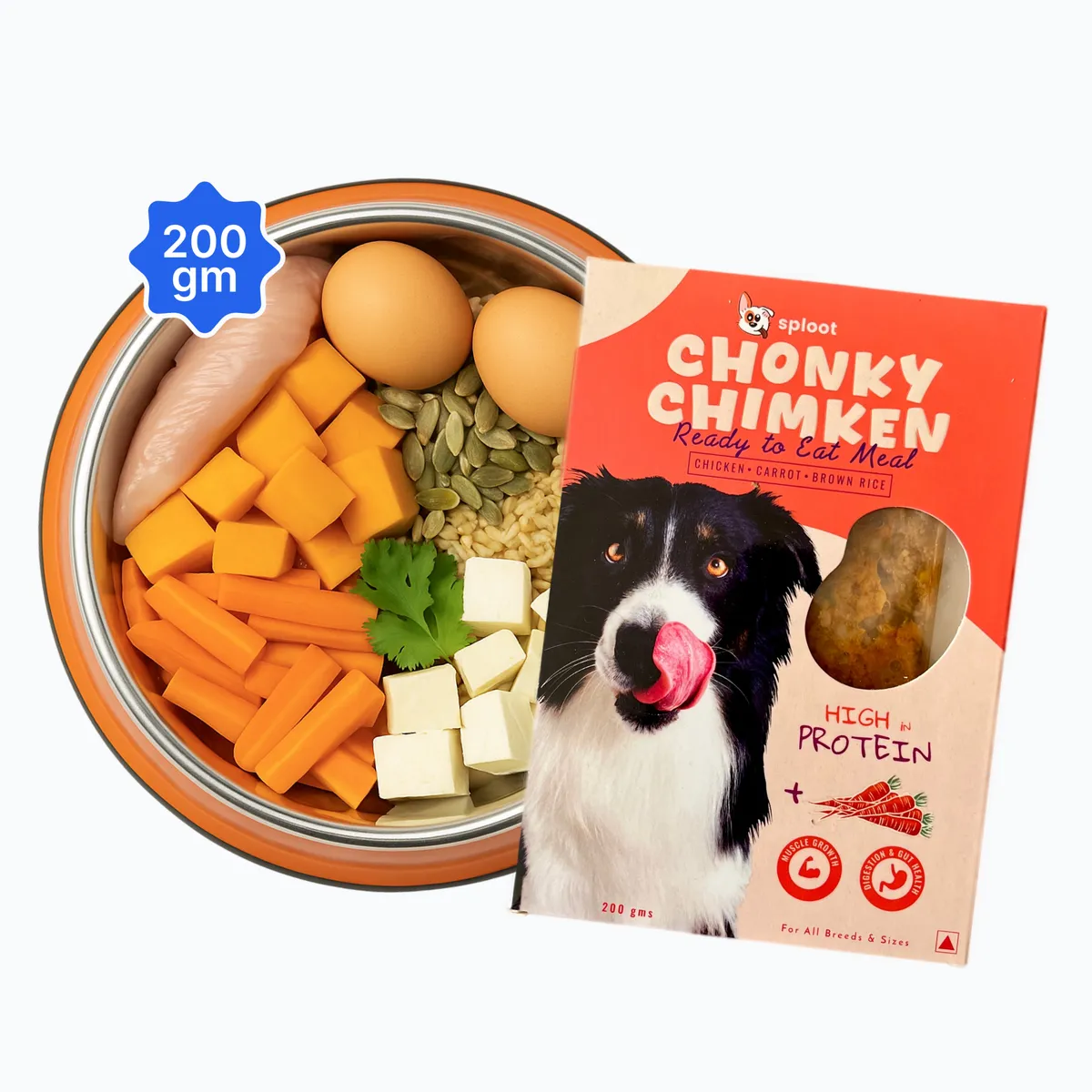
Chonky Chimken Dog Food
From ₹99
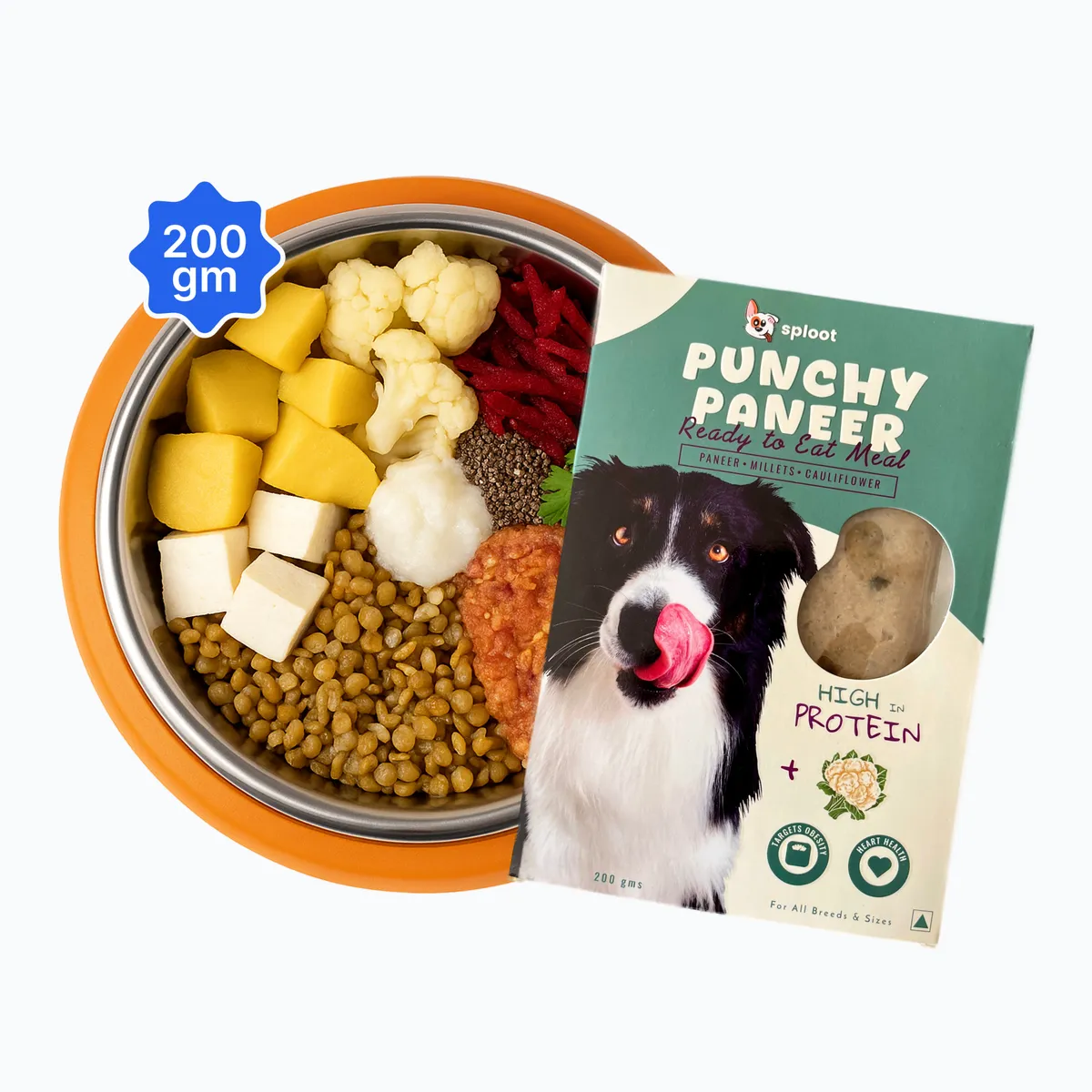
Punchy Paneer Dog Food
From ₹99
Food allergy and food intolerance are not the same problem
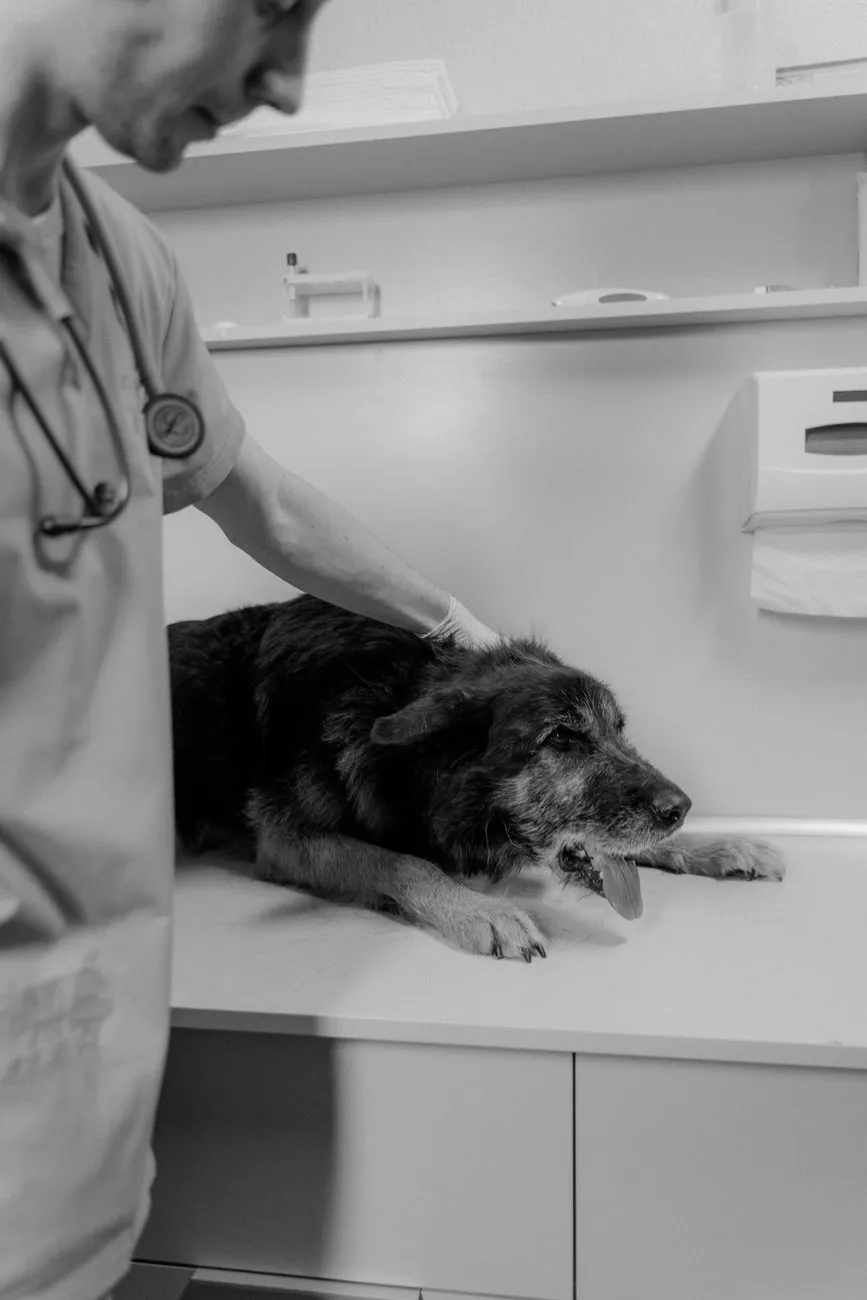
A food allergy involves the immune system. It tends to produce stubborn skin signs — itching, ear flares, rashes — alongside gut upset. A food intolerance is a digestive problem. The gut struggles with an ingredient without the same immune drama. Loose stool after milk is intolerance. Year-round paw chewing with ear flares is more suspicious for allergy.
For you as a dog parent, the fix is similar: remove the trigger and feed something simpler. For your vet, the distinction matters when they plan an elimination trial or rule out fleas, mites, and contact allergies first.
Human food treats add up faster than people track. One paratha here, paneer there — then you wonder why my dog is not eating food at dinner. The dog is not broken. The treat math is. I co-founded a pet food company and still learned that the hard way when a liver-heavy home meal made our puppy Sriracha sick years ago. Formulation beats guessing. Vet first if she is vomiting or shutting down — not a new kibble flavour.
Novel protein diets vs hydrolyzed formulas — what actually works
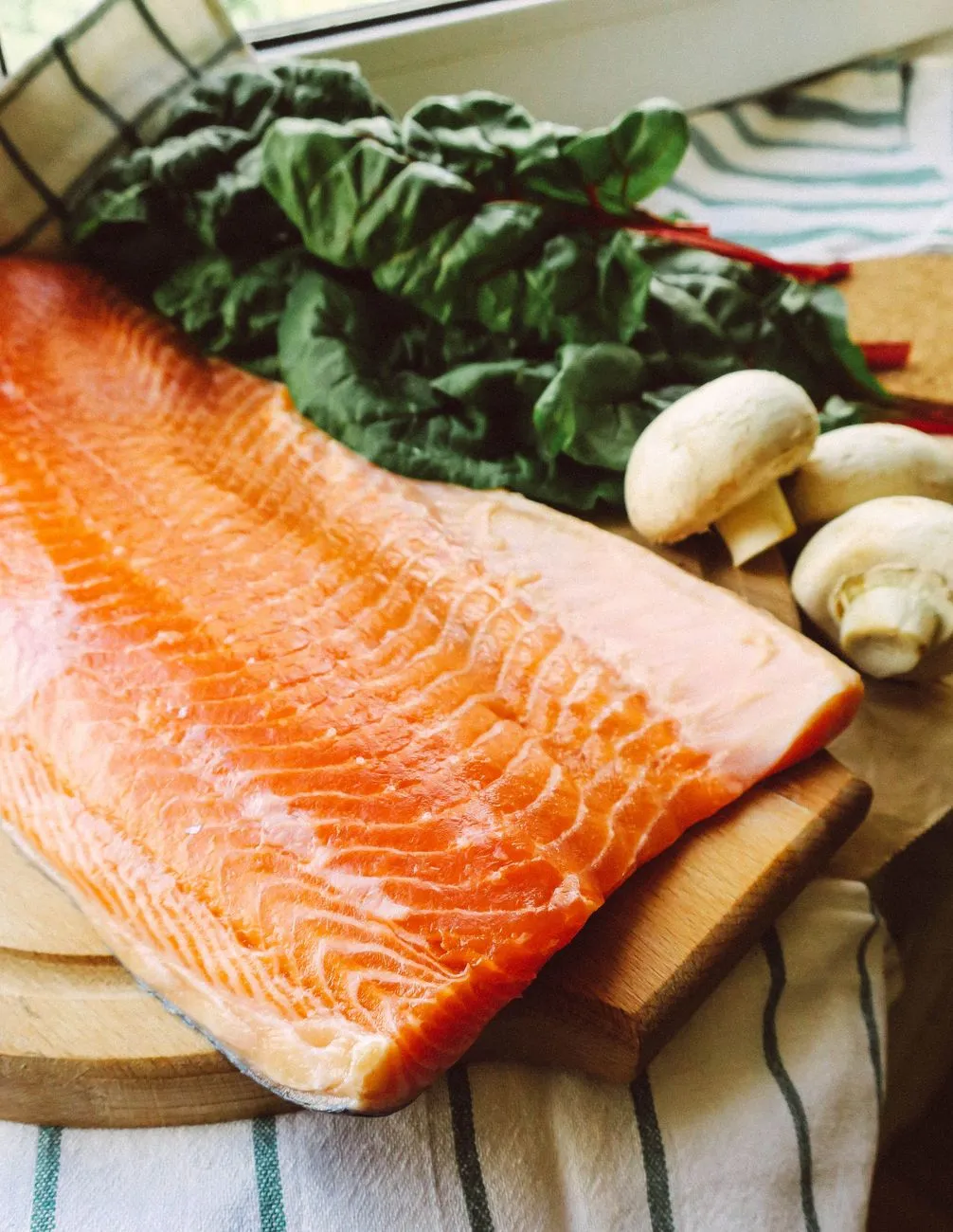
Novel protein diets swap your dog to a protein they have never eaten — often fish, lamb, or mutton in India — with as few other ingredients as possible. They work when the trigger was chicken or beef hiding in the old food and treats. They fail if your dog has already eaten everything on the label or if treats still contain the old protein.
Our food for dogs with allergies and sensitive stomachs lists fish, lamb, goat and plant-protein recipes with what each one is free from, so you can pick a protein your dog has not eaten before.
Hydrolyzed diets use broken-down proteins — sometimes soy or chicken — that the immune system should not flag. Vets often reach for these when novel proteins are exhausted or when the reaction is severe. They are complete prescription diets, not casual switches.
Kibble dog food labelled grain-free is not the same as hypoallergenic. Grains are rarely the top dog allergen. Removing wheat while keeping chicken, chicken fat, and chicken digest in the same bag does not solve a chicken allergy.
At Sploot we sell five ready-to-eat recipes — chicken, mutton, fish, grain-free chicken, and vegetarian paneer. For dogs avoiding chicken, Millet O Fish is our only chicken-free recipe (basa fish, millet, eggs, ghee, and vegetables — check egg and dairy tolerance with your vet). Meaty Mutton and Grain Free Gobble still contain chicken on the label, so they are not suitable for a chicken elimination trial. Millet O Fish is ₹4,767 for 200 g × Pack of 30, with a ₹227 single pack to test acceptance. It is not a replacement for a prescription hydrolyzed diet.
How to read dog food labels when sensitivity is the issue
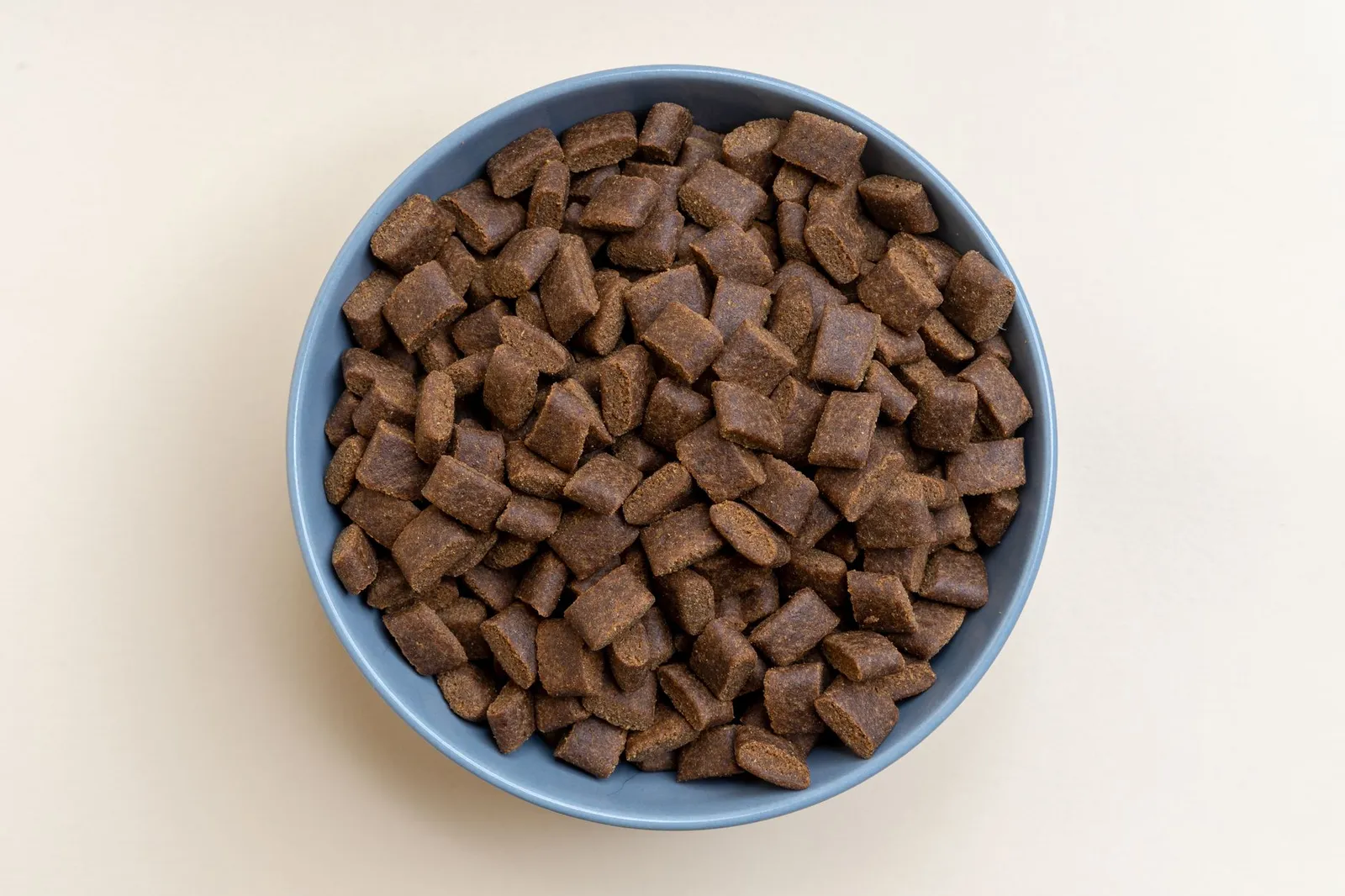
Flip the bag. The front is marketing. The back is where hypoallergenic dog food either earns the name or does not.
Look for one clear animal protein at the top — not a vague meat meal blend if you are trying to identify a trigger. Scan for hidden chicken: poultry fat, hydrolyzed poultry, egg, fish and chicken combo foods. Check treats, dental sticks, and table food with the same scrutiny. A perfect dinner plus chicken jerky treats undoes the trial.
Confirm complete and balanced for your dog's life stage. Limited ingredient does not mean incomplete. WSAVA global nutrition guidelines are what many vets reference when they ask whether a food is properly formulated.
Match format to the dog. Dry kibble stores well in humid cities. Wet food adds moisture. Ready-to-eat meals often win picky eaters who reject kibble texture. Our dog food chart maps portions by size so you are not overfeeding a sensitive stomach into loose stools.
If you are comparing brands broadly, the best dog food in India post on Sploot covers price tiers and label basics without turning the aisle into a research project.
An elimination diet is the only way to know for sure
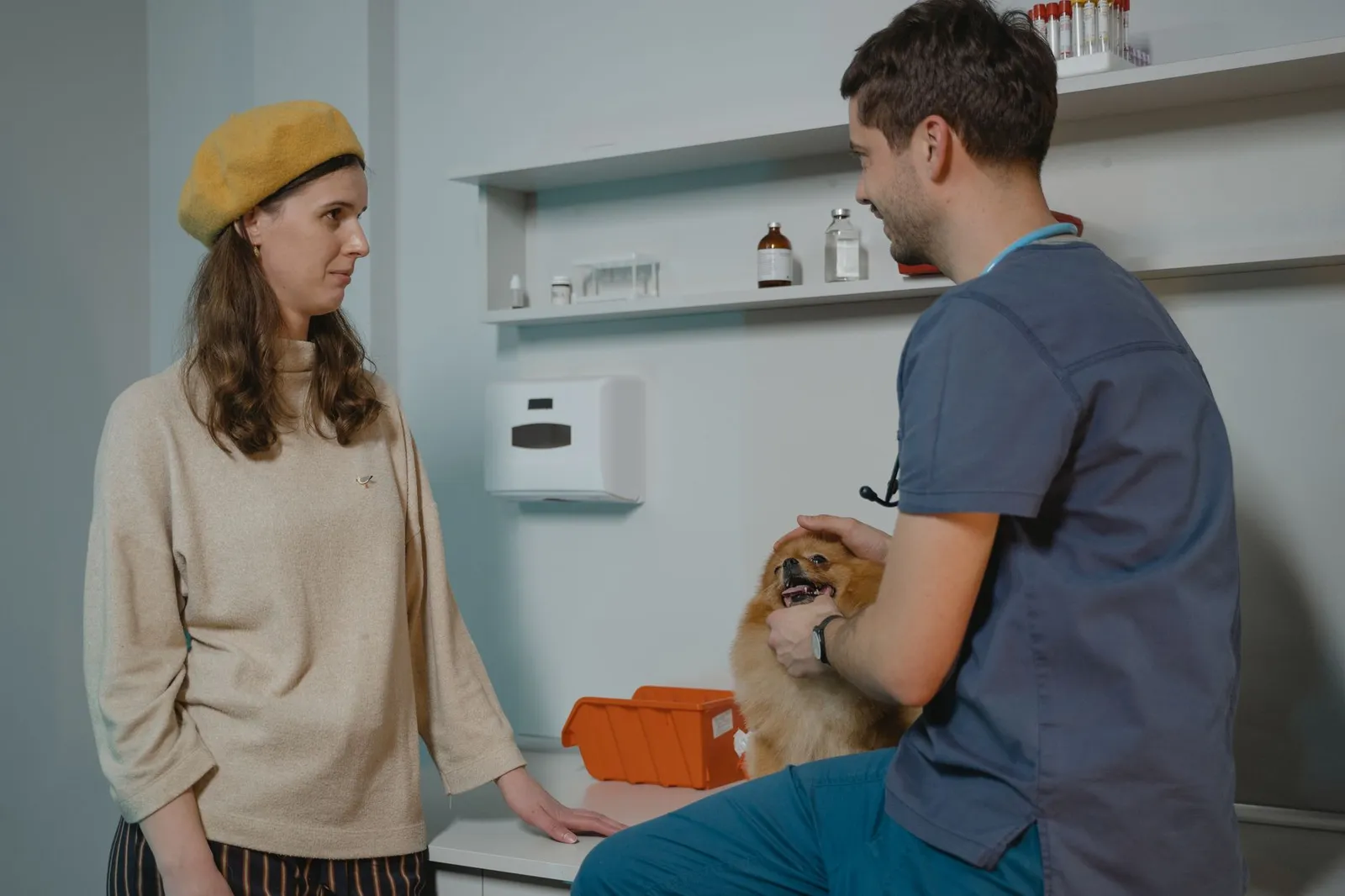
Blood tests for food allergies in dogs are unreliable enough that most vets still prefer a food elimination trial. That means one protein and one carbohydrate — or a vet-prescribed hydrolyzed diet — and nothing else passing the dog's lips for eight to twelve weeks. No treats. No cheese. No flavoured medicines hidden in chicken paste unless your vet approves alternatives.
During the trial, symptoms should fade if food was the trigger. Then your vet reintroduces ingredients one at a time to confirm the culprit. Skip the structured trial and you are guessing forever — switching dog food brands every month while the ears stay red.
Sploot is not your vet. We sell meals and we will say plainly when you need a clinic first. Prescription hydrolyzed diets and supervised trials beat anything we could ship on impulse.
Switching to hypoallergenic food without making symptoms worse
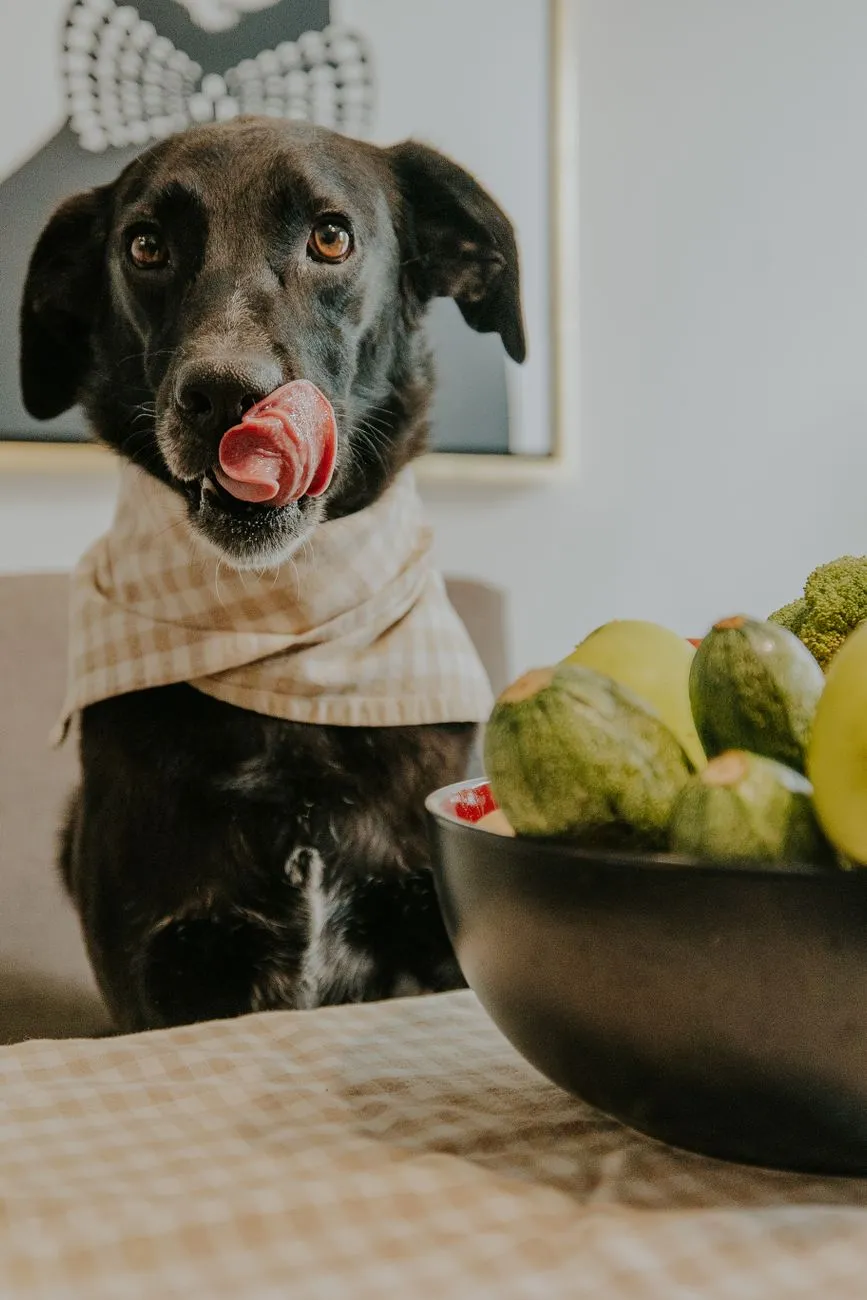
Once your vet picks the trial food, transition over seven to ten days unless they tell you to switch hard and fast for a strict trial. Mix increasing amounts of the new food with the old to reduce sudden vomiting or loose stools from change alone — not from allergy.
Keep a simple log: stool quality, scratching, ear smell, appetite. Photos help at follow-ups. Stop all other proteins during the trial. That includes biscuits, bone broth, and the child who slips paneer under the table.
Warm food smells stronger. A splash of warm water on dry food or gently warming a ready-to-eat meal can help reluctant eaters. If appetite crashes and stays down, that is back to the vet — not another flavour rotation.
When the trial succeeds, stay on the winning diet long enough for skin to fully heal before you experiment. Patience is boring. It is also cheaper than endless ear drops.
When hypoallergenic dog food is the wrong first move
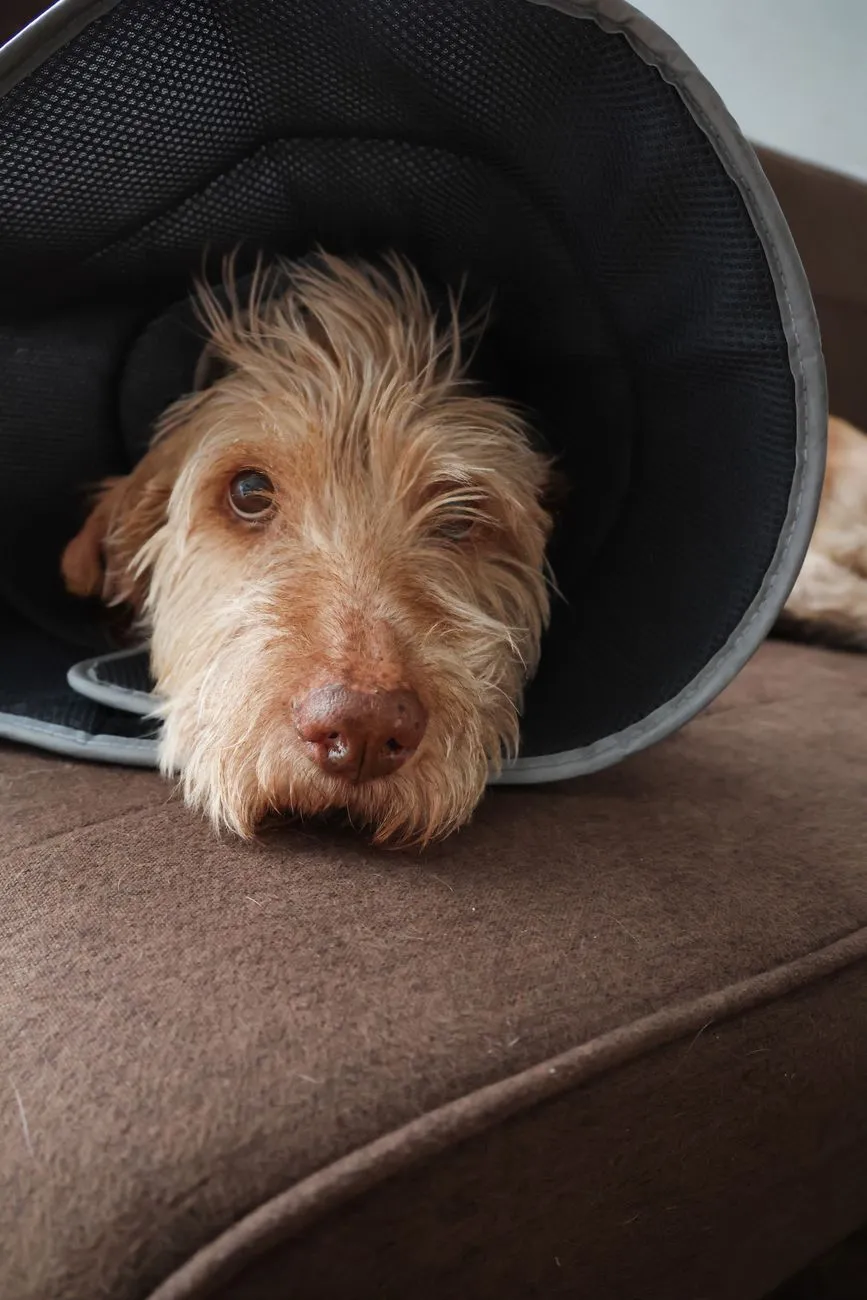
Do not open with a hypoallergenic bag if your dog is vomiting blood, collapsing, or has not eaten in forty-eight hours. That is emergency care.
Do not self-diagnose when fleas, mites, or a contact allergy from floor cleaner fits better. Food is common. It is not the only cause of itching.
Do not swap food every week because the dog scratched once. You need a pattern and usually a vet-led plan.
Do not assume veg dog food fixes a protein allergy automatically. Plant-based diets still contain specific proteins — soy, dairy, gluten sources — that individual dogs react to. Our veg dog food in India guide covers complete vegetarian options separately. Sensitivity work still needs label discipline.
Sploot sells formulated meals, including fish and mutton recipes, but we will not push a switch if your vet says stay on a prescription diet or if symptoms point to infection, not food. Match the tool to the problem.
Straight answers
What is hypoallergenic dog food?
Food formulated to lower the risk of allergic reactions — usually through a single novel protein, hydrolyzed protein, or very limited ingredients. The term is marketing-friendly; your vet may say novel protein diet or hydrolyzed diet instead.
What are signs my dog needs hypoallergenic food?
Year-round itching, recurring ear infections, chronic gut upset, or skin redness that persists after flea control — especially if symptoms improve when you remove a suspect protein. Your vet confirms with an elimination trial, not a hunch. The AKC on dog food allergies lists similar skin and gut patterns.
Is chicken hypoallergenic for dogs?
No. Chicken is one of the most common food allergens in dogs, largely because it appears in so much kibble, treats, and table food in India. Hypoallergenic diets often remove chicken on purpose.
How long before hypoallergenic food shows results?
Skin and gut need time. Most vet-led elimination trials run eight to twelve weeks on a strict diet before you judge success. A weekend switch is not a fair test.
Is grain-free the same as hypoallergenic?
No. Grain-free removes grains. Hypoallergenic targets proteins and overall ingredient load. A grain-free chicken kibble can still trigger a chicken allergy.
Can treats ruin a hypoallergenic diet?
Yes. One flavoured biscuit with the old protein can restart symptoms. During a trial, treats must match the trial food or be vet-approved single-ingredient options.
What is the best hypoallergenic dog food in India?
There is no universal winner. The best food is the one your dog tolerates after a proper trial — sometimes a prescription hydrolyzed diet, sometimes a limited novel protein your vet selects based on diet history. Brand hype matters less than strict consistency.
Should I switch without asking my vet?
Not if symptoms are significant or chronic. Food trials are simple on paper and easy to accidentally break in a shared kitchen. A vet keeps the trial valid and rules out non-food causes first.
If you are past the guessing stage and your vet has cleared a novel protein trial, Sploot meals — from ₹99 trial packs to 30-day subscriptions — are on sploot.space and the app. Your dog will forgive the itchy phase faster than you will. Getting the diagnosis right is what makes the scratching stop for good.
FREE GUIDE
Feed your dog right: the complete nutrition guide
Portions, fresh food, treats and what to avoid. Everything about your dog's diet in one free guide.
Read More
Everything your dog needs, in one app.
Track sessions in real time, receive updates, manage bookings, shop essentials and stay connected to your dog's care journey—all from the Sploot app.