
In this post: dal and rice — veg food vs leftovers — key nutrients — reading labels — homemade risks — switching safely — when not to go veg — straight answers
Veg Dog Food in India: What Dog Parents Should Know First
Veg dog food in India: complete, balanced meals beat dal and rice alone. Team Sploot on labels, key nutrients, and when to call your vet. Book on sploot.space.

12 Jun 2026 · 2 min read
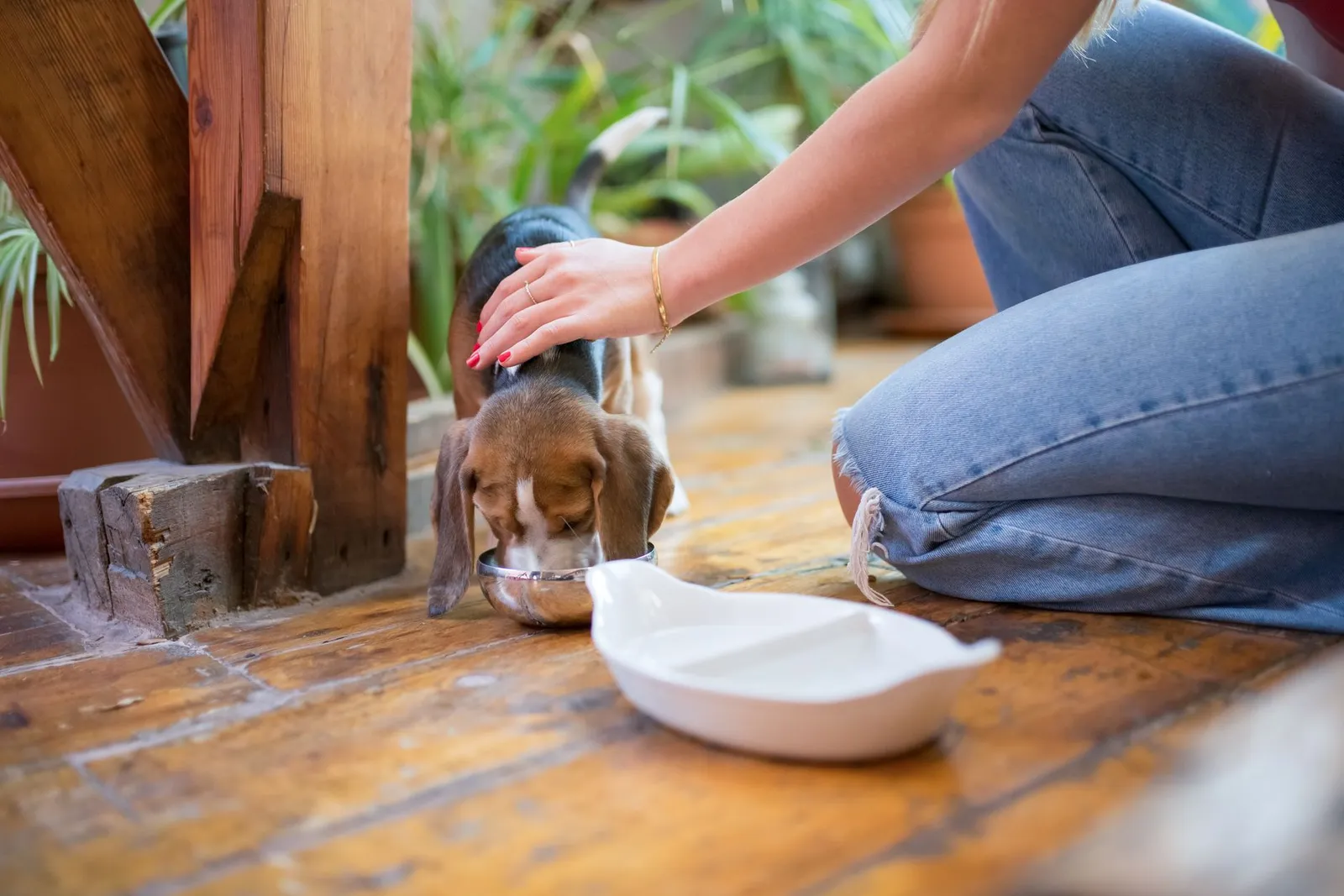
A lot of dog parents in India run meat-free kitchens. The question I hear is never whether they love their dog enough. It is whether what lands in the bowl actually counts as food for a dog. Straight answer: veg dog food can work for dogs in India when the diet is complete and balanced. Sharing your dal and rice is not the same thing.
Dogs are omnivores. Cats are obligate carnivores and should never be fed a vegetarian diet. If you live in a meat-free home and want your dog on plant-based meals, you need formulation—not good intentions and leftover sabzi.
Dal and rice is not a veg dog food plan
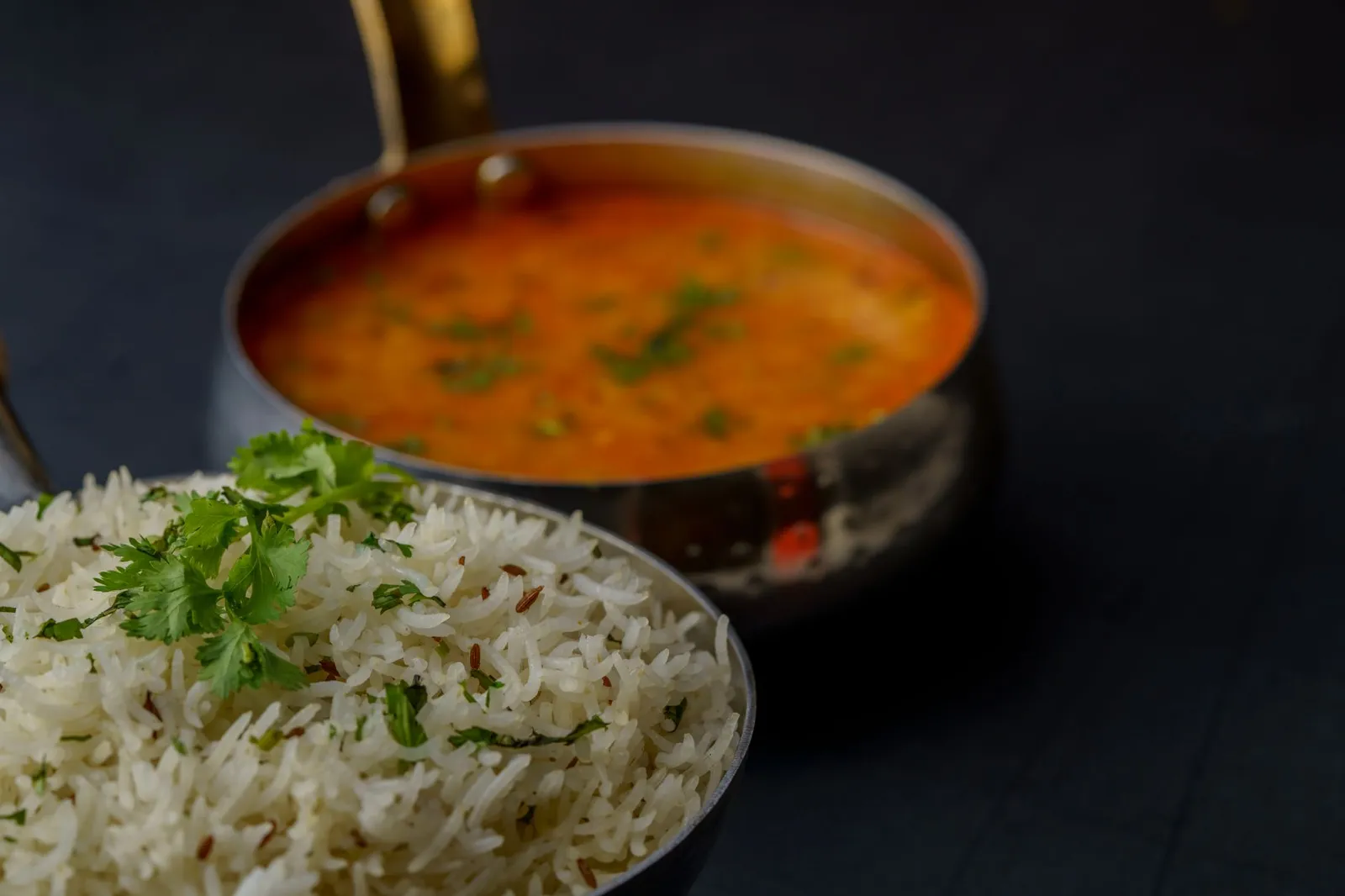
Most Indian kitchens run on rice, roti, dal, and vegetables scaled for humans. That pattern feels natural to share. Nutritionally it often leaves gaps for a dog over months.
Conventional Indian home diets skew low on protein relative to what dogs need. Leftover chapati, a bit of dal, paneer on Sundays—it reads as love. Over time it can mean a carb-heavy, protein-light plate that shows up in the coat, muscle tone, and energy before it shows up in a blood test.
That is the gap veg dog food is meant to fill: plant-based or dairy-based protein in the right amounts, with minerals and vitamins added on purpose. Not whatever was left in the pressure cooker.
If you want portion guidance by age and size, our dog food chart on Sploot maps daily needs for puppies, adults, and seniors. Use it as a reference before you eyeball another half-cup of rice.
Veg dog food is not the same as your leftovers
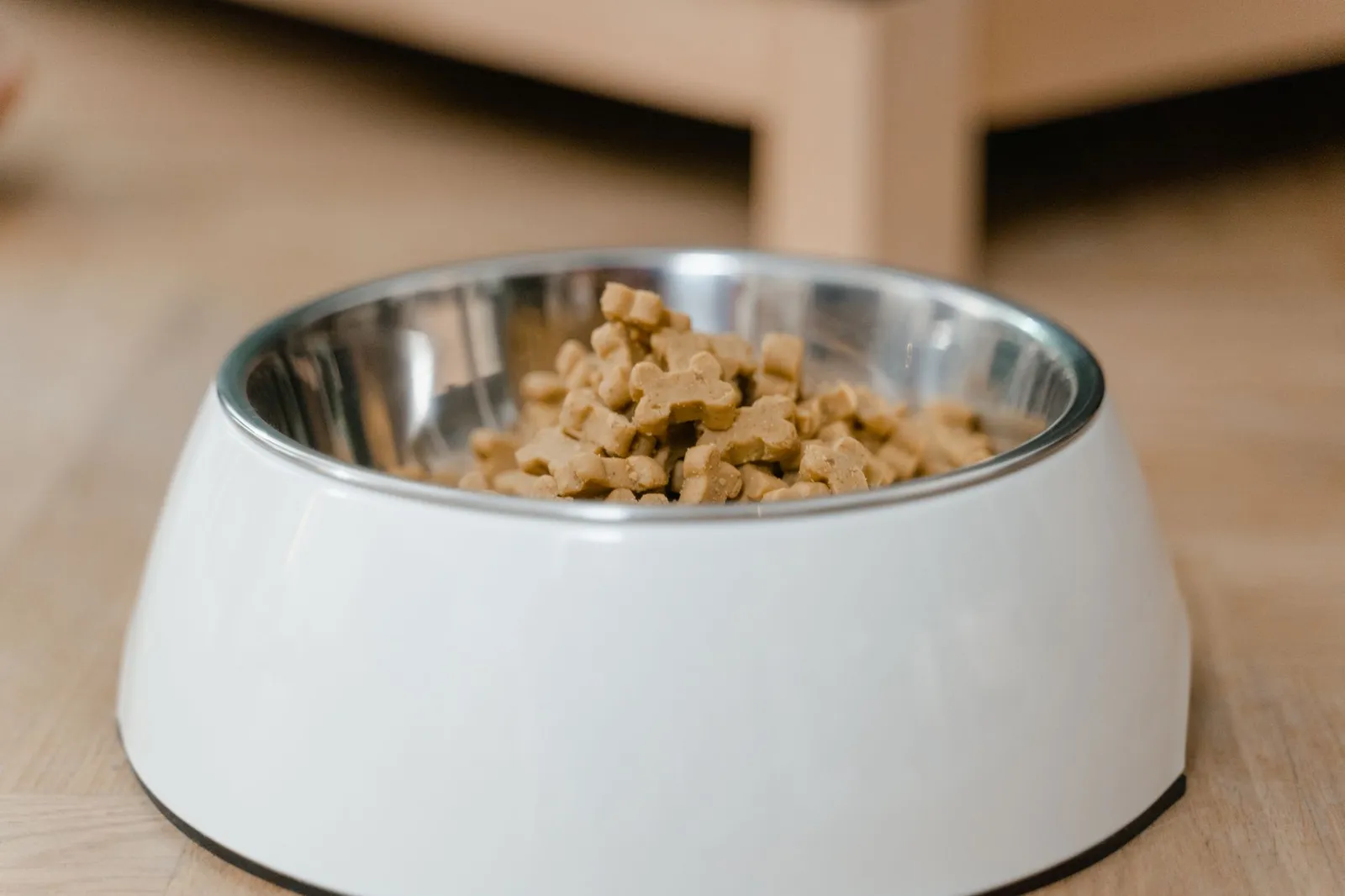
Vegetarian dog food and vegetarian dog food india searches usually mean one of two things: a packaged complete diet, or a hope that home cooking can mirror what the family eats. Only the first category is designed to stand alone.
Complete veg dog food is formulated so one product covers daily requirements. Kibble-style brands often list soya plus added vitamins and taurine powder. Whole-food recipes take a different route—dairy for B12, real protein for amino acids dogs can use to make their own taurine. Both can work if a nutritionist has signed off on the balance.
Treats, biscuits, and table scraps sit outside that system. A dog who eats veg biscuits all day is not on a vegetarian diet. They are on snacks. Human food treats add up faster than people track. One paratha here, paneer there, and suddenly the actual meal looks boring by comparison.
Our best dog food in India guide on Sploot walks through how to match food type to breed size and life stage. Vegetarian or not, those basics still apply.
Recommended products
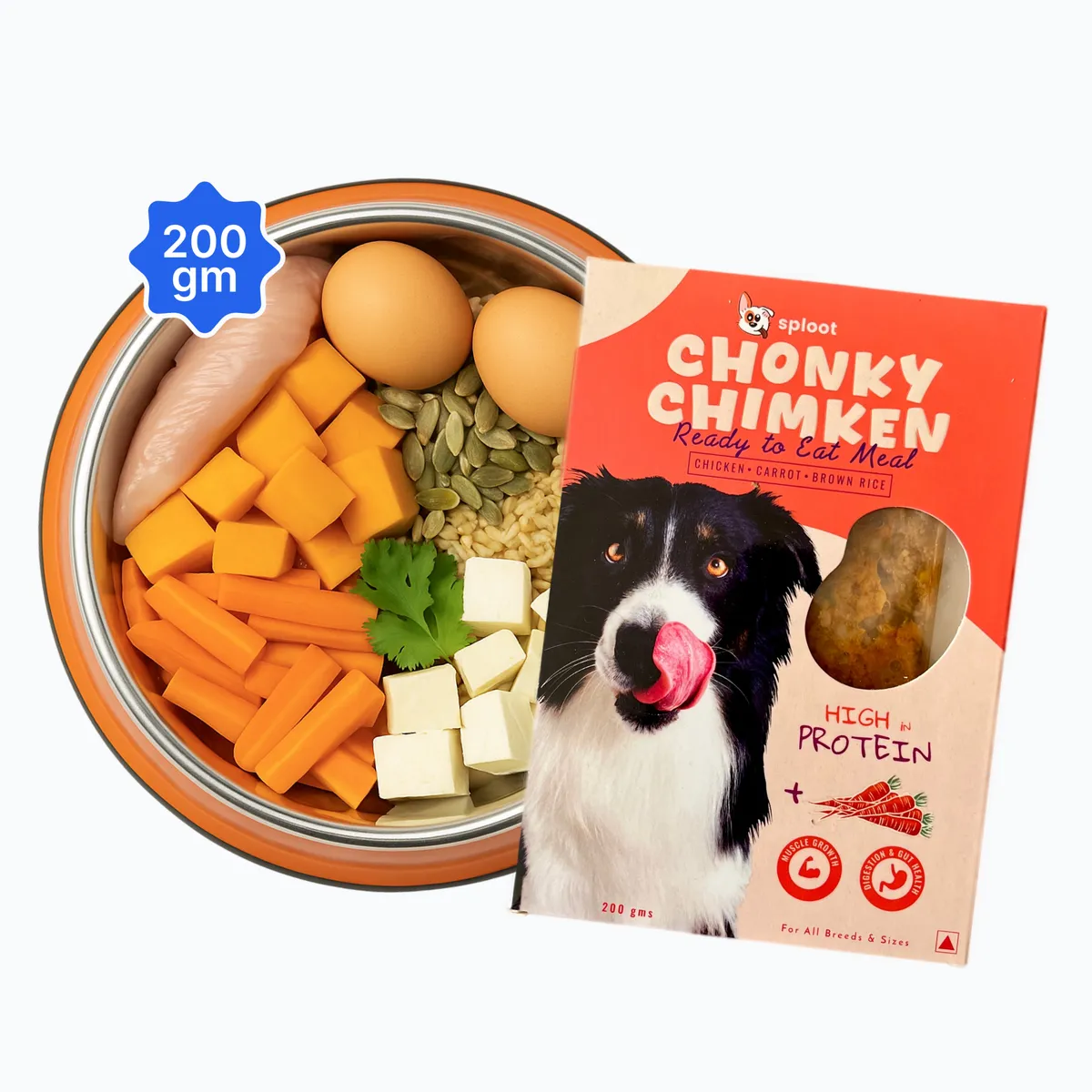
Chonky Chimken Dog Food
From ₹99
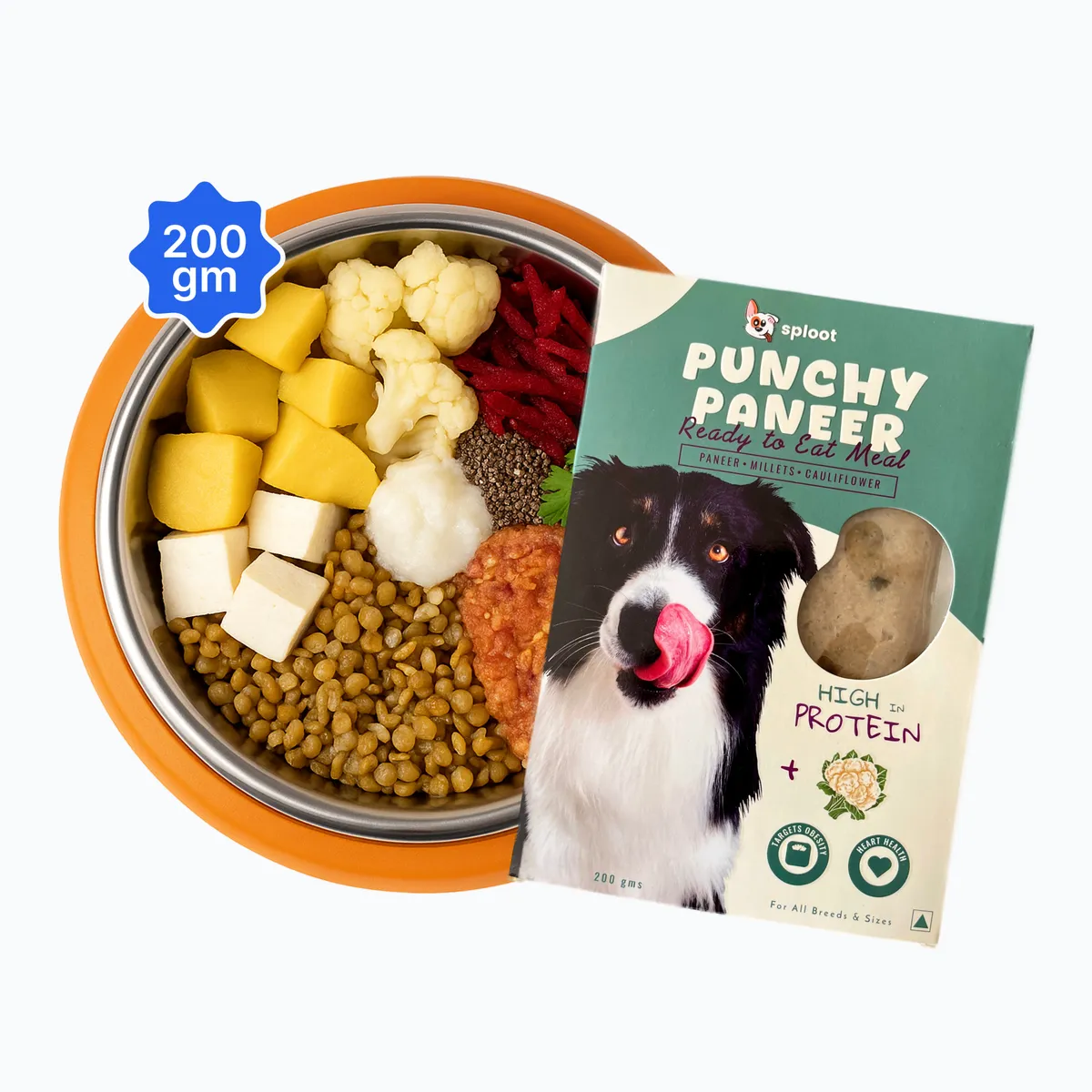
Punchy Paneer Dog Food
From ₹99
Nutrients a meat-free diet still has to cover
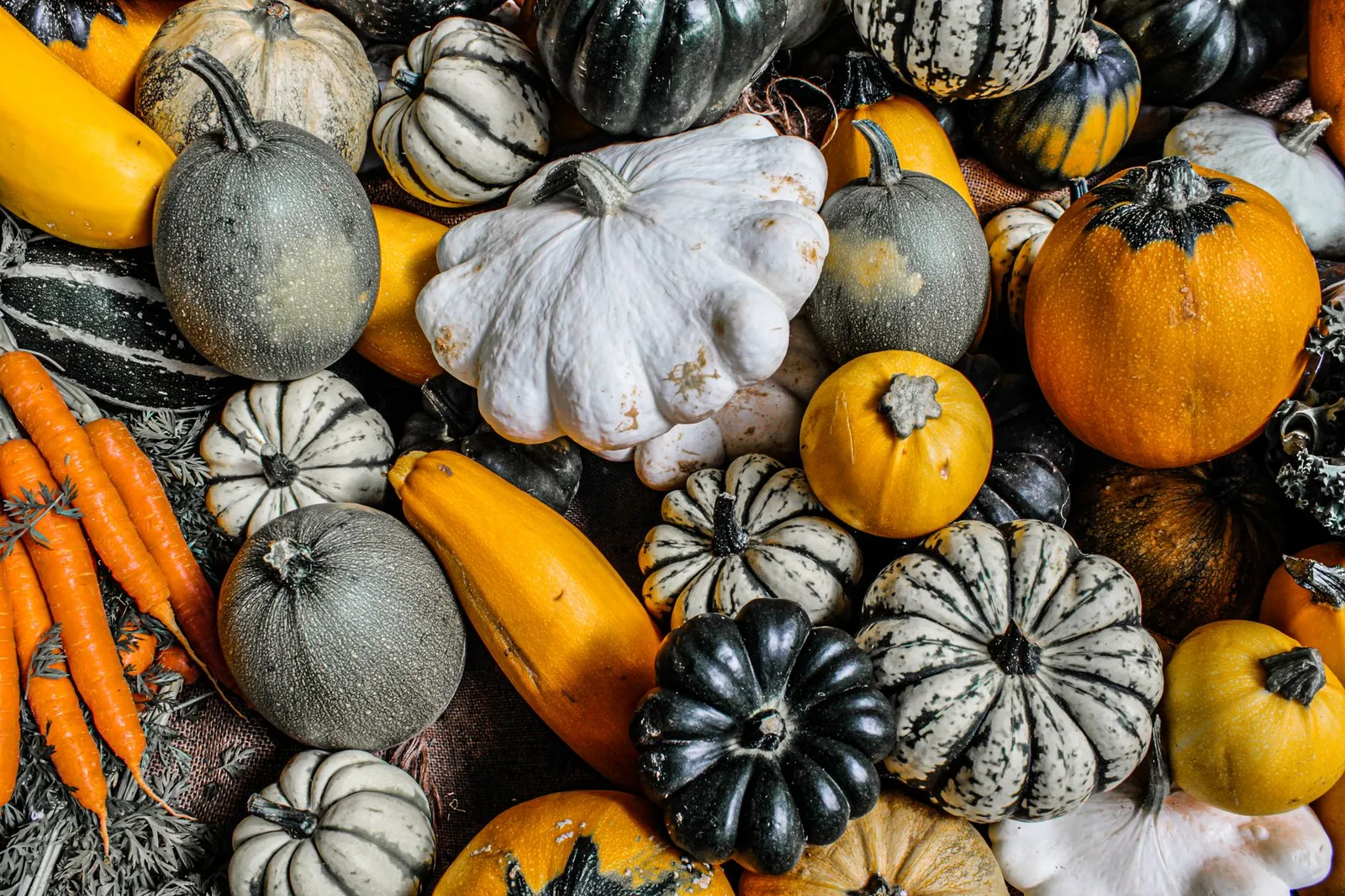
Plant based dog food for dogs only works when someone has done the maths on what meat would have supplied. These are the lines I watch on any label or vet-approved recipe.
Protein and amino acids: adult dogs typically need roughly 18–25% protein in dry matter terms, higher for puppies. Plant proteins can cover that if the mix is right.
Vitamin B12: not reliably present in plants. Dairy supplies it—paneer and ghee are the natural sources in a whole-food veg recipe. Many kibble-style veg foods add synthetic B12 because they carry no dairy. Homemade dal-rice without paneer, ghee, or supplementation often falls short.
Taurine: if you only know taurine from cat food, that is normal. Cats cannot make enough and must get it from diet. Dogs usually synthesize what they need from other amino acids—a meat-inclusive kibble does not require you to scan the label for taurine. Some veg kibbles add taurine powder as insurance on plant-heavy formulas. A whole-food recipe built on lentils, paneer, and millets does not need that if the protein balance is right—though poorly planned homemade veg diets are where deficiency risk still shows up.
Calcium and phosphorus: bone health depends on the ratio, not just the total. Random dal-rice combinations rarely hit the 1:1 to 2:1 range dogs need.
Fats and omega-3s: flaxseed, algae, or other sources can replace fish oil if the formula includes them at useful levels.
Safe vegetables—carrot, pumpkin, green beans, sweet potato—can add fibre and variety. They do not replace a complete base. Onions, garlic, grapes, raisins, and chocolate stay off the list. Always.
For whole-food ideas that sit alongside a base diet, our top nutrient-rich foods for dogs post covers chicken, eggs, and veg additions. Pick what fits your household rules. The base still needs to be complete.
How to read a vegetarian dog food label in India
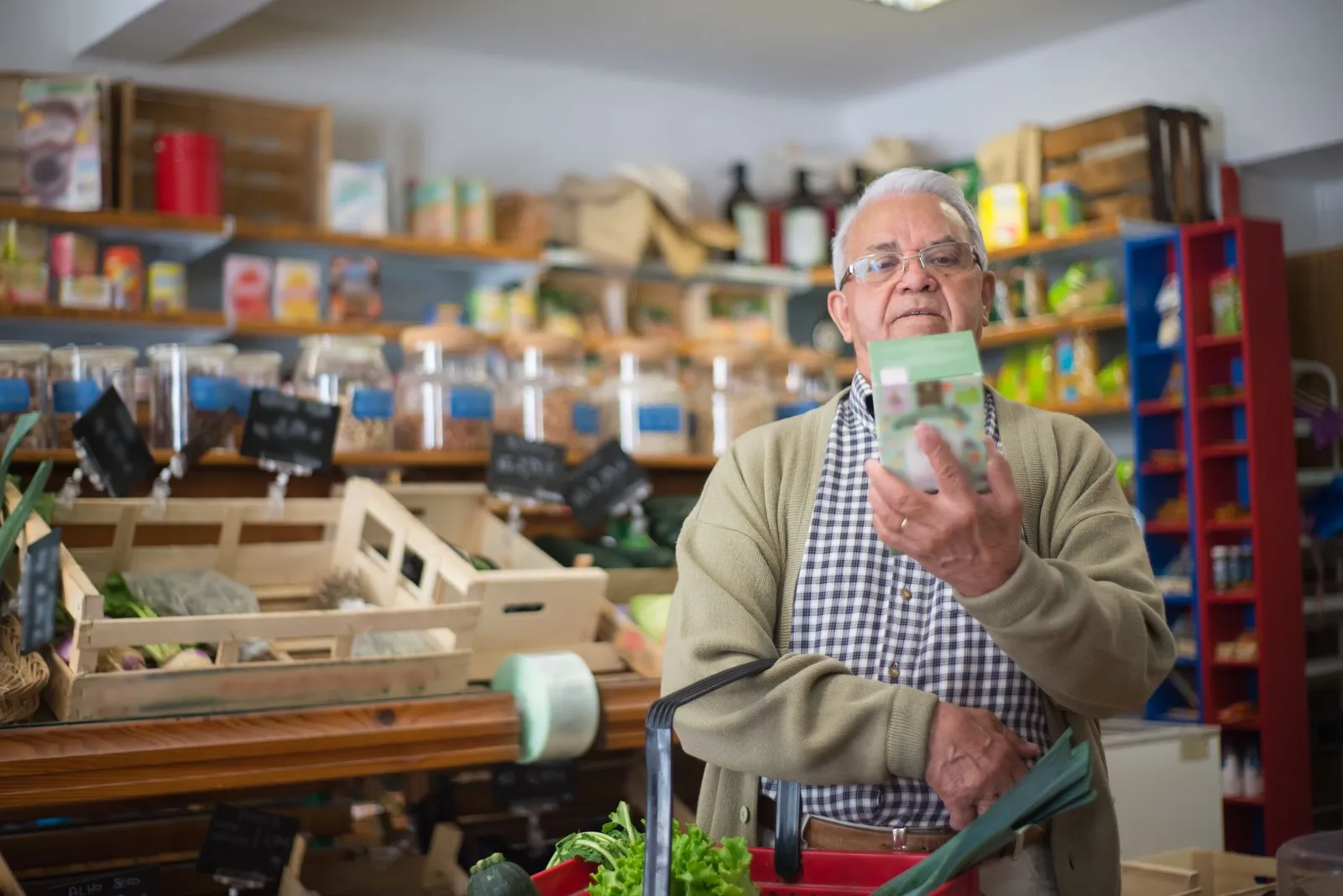
Packaging in India varies. Marketing says natural and wholesome. Labels tell the truth if you know what to scan.
Look for complete and balanced language, or a statement that the food meets Association of American Feed Control Officials-style nutrient profiles. If the bag says supplementary or for intermittent feeding, it is not dinner.
Check the first few ingredients. You want named protein—soya, paneer, lentil, pea—not only corn or wheat filler.
Scan for a clear life-stage line—puppy, adult, or all life stages. On kibble-style veg food you may see added B12 or taurine listed separately. On a whole-food recipe, check whether B12 comes from dairy ingredients like paneer and ghee, or from a vitamin premix. Can dogs be vegetarian at every age? Puppies can, but only on a puppy-specific complete formula your vet is comfortable with.
Compare protein percentage on a dry-matter basis when you switch brands. Two bags both saying 24% protein can differ in digestibility and what that protein actually is.
Expensive kibble or wet food is not automatically better. Read the label, not the Instagram ad. If your dog is thriving on what they are on, I will not tell you to switch for sport.
Homemade vegetarian meals need a vet formula
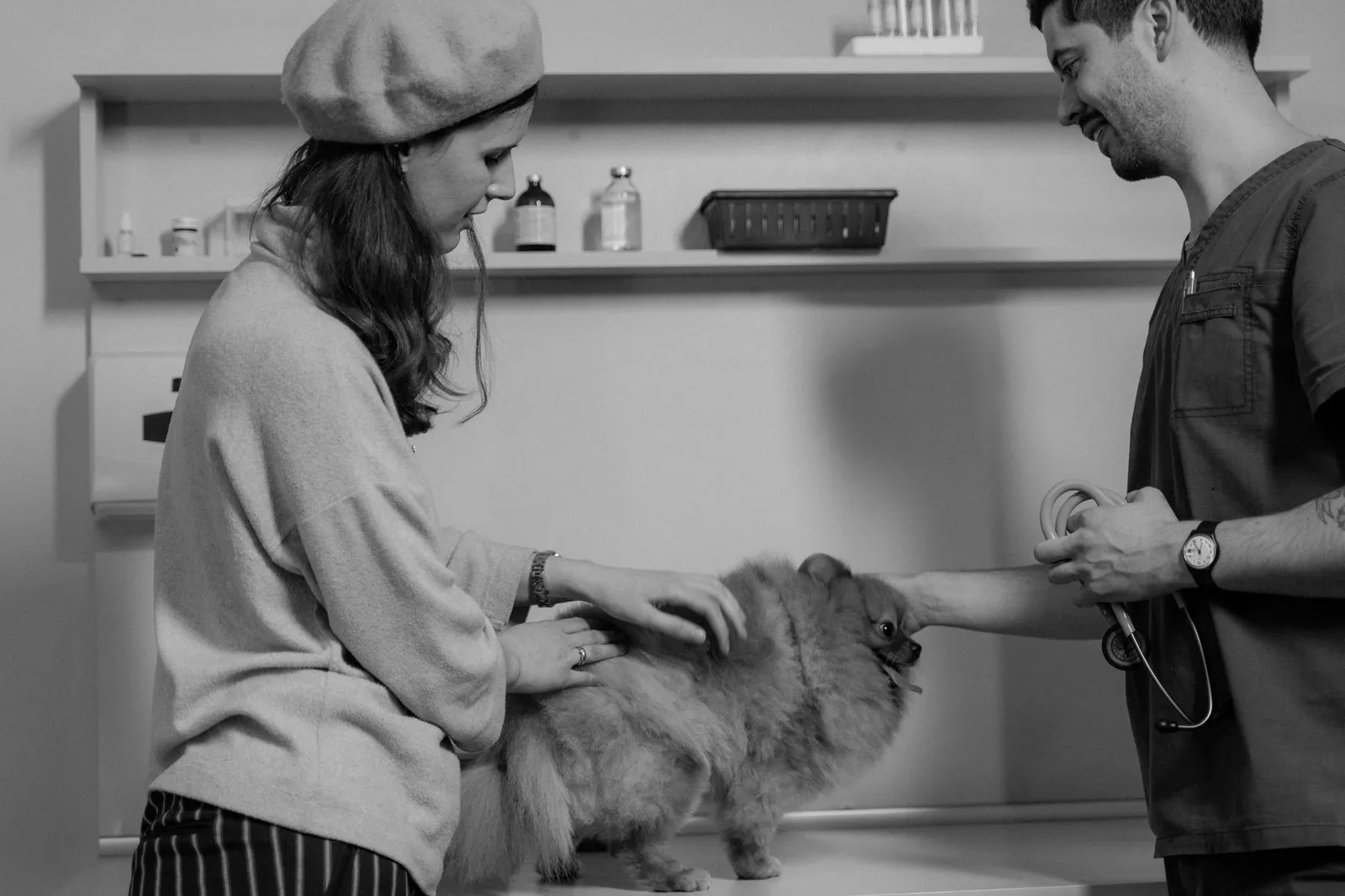
Home-cooked for dogs can work if it is actually balanced. The problem is home food without the maths: correct protein, calcium, phosphorus, fats, fibre, and life stage. Most well-meaning owners cook from habit, not formulation.
I learned that the hard way with our indie puppy Sriracha early on—not with a veg diet, but with me confidently cooking for her and getting the protein balance wrong. She ended up at the vet after a bad batch of home food. The guilt lasted longer than the illness. That is why I take formulated meals seriously now.
If you want homemade vegetarian meals, get a recipe from a veterinarian or board-certified veterinary nutritionist. Not a blog, not a WhatsApp forward. Supplements are part of the plan, not an optional extra.
At Sploot we built Punchy Paneer for households that want a ready-to-eat vegetarian option formulated with canine nutritionists—little millets, masoor dal, paneer, potatoes, cauliflower, beetroot, chia seeds, coconut oil, ghee, and coriander. Whole ingredients you would recognise from your kitchen. No fillers, no preservatives, no added taurine. B12 comes naturally from the paneer and ghee. Dogs synthesize taurine from the protein in the recipe—they do not need it sprinkled in the way cats do. ₹2,970 for 100 g × Pack of 30, or a ₹99 single pack if you want to test acceptance before committing. We feed Sploot meals to our own dogs before offering them to anyone else. Every dog is different. Taste still matters—a formulated diet your dog refuses is a waste.
Sploot is not a vet clinic. If your dog has heart disease, chronic illness, or is losing weight on any diet, book a vet appointment before you tweak recipes.
Switch to veg dog food without the week of loose stools
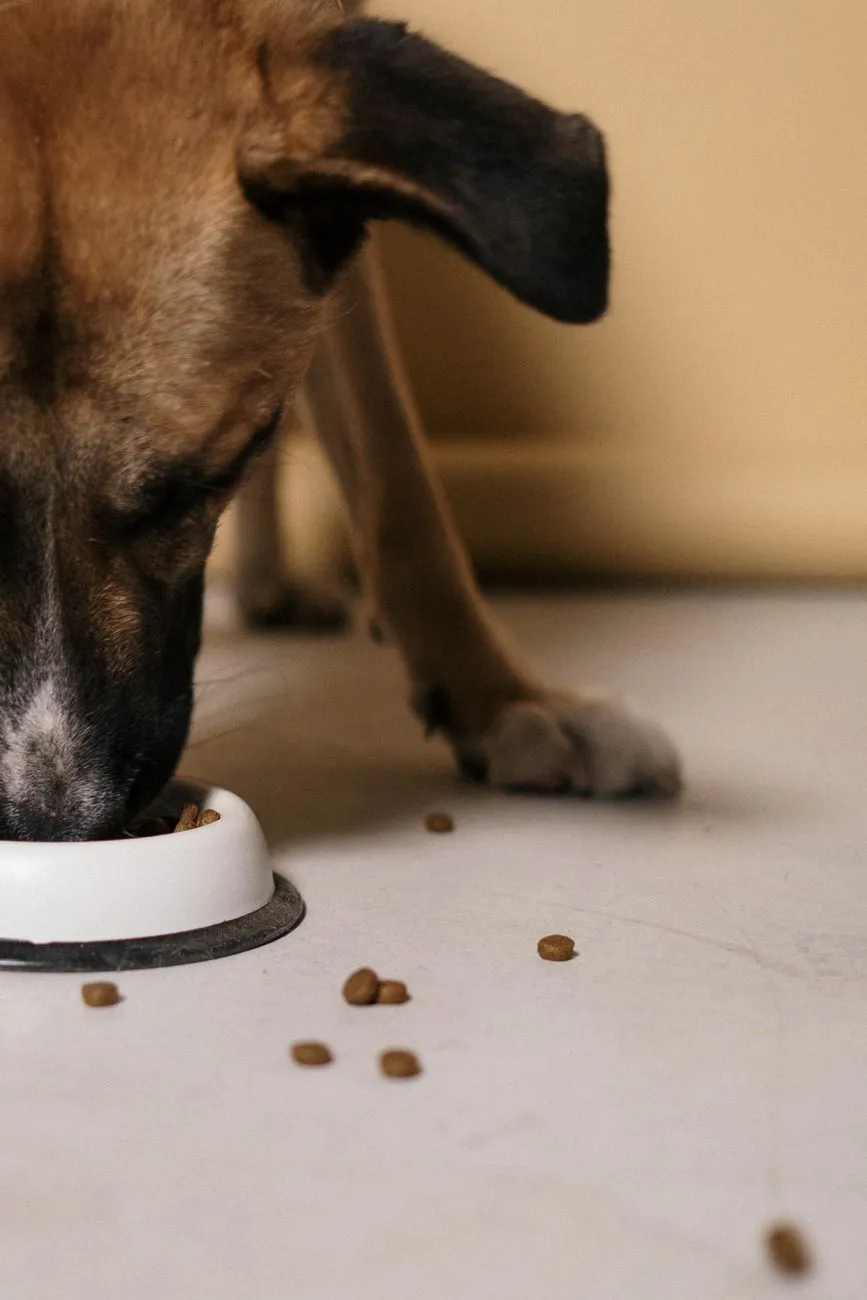
Sudden diet changes upset guts. A dog who ate chicken kibble yesterday and gets a full bowl of veg food today may refuse it, eat it and vomit, or produce artwork on your floor.
Rule of thumb: transition over seven to ten days. Day one to three, roughly 75% old food and 25% new. Day four to six, fifty-fifty. Day seven onward, mostly new. Adjust if your dog has a sensitive stomach—some need two weeks.
Feed at consistent times. Pick up the bowl after twenty to thirty minutes if they walk away. Free grazing makes picky eating worse.
Warm food smells stronger. A splash of warm water on dry kibble or gently warming ready-to-eat meals can help. In summer, appetite often dips anyway—our do dogs eat less in summer post explains what is normal heat behaviour versus a diet problem.
If they refuse entirely for more than twenty-four hours, or vomit repeatedly, stop experimenting and call your vet.
When a vegetarian diet is the wrong call

Veg dog food is not a moral upgrade for every dog. It is a nutritional choice that has to fit the individual.
See your vet before switching if your dog has a history of heart disease, is a large breed puppy, is pregnant or nursing, or is losing weight or muscle on the current diet. Those cases need blood work and monitoring, not a new bag from the pet store.
Senior dogs with dull coats, low energy, or picky eating may have illness behind the bowl behaviour. Fix the medical picture first.
Never feed vegetarian dog food to cats. Their biology cannot compensate for missing animal protein.
Sploot sells ready-to-eat meals—including vegetarian Punchy Paneer—but we will not push a switch if your vet says stay on the current prescription diet, or if your dog is clearly unwell. Vet first. Always.
If you are comparing formats—dry, wet, fresh—our best dog food in India guide and the dog food chart together cover portions and life stages without turning dinner into a research project.
Straight answers
Can dogs eat vegetarian food?
Yes. Dogs are omnivores and can meet their needs from a properly formulated plant-based or dairy-inclusive diet. Cats cannot. The diet must be complete and balanced, not improvised from human leftovers. The AKC on vegetarian diets for dogs covers the same distinction.
Is veg dog food safe in India?
It can be, if you choose a complete commercial formula or a vet-approved homemade recipe with supplementation. Dal and rice alone is not safe as a long-term diet. B12 has to come from somewhere—dairy like paneer and ghee in a whole-food recipe, or added vitamins in a kibble-style one.
Can I feed my dog dal and rice every day?
Not as a sole diet. Occasional plain rice with vet-guided recovery food is different from daily dal-rice as nutrition. Missing protein, B12, and mineral balance adds up over months.
What nutrients must vegetarian dog food include?
Adequate protein, vitamin B12, balanced calcium and phosphorus, essential fatty acids, and life-stage-appropriate calories. B12 on a veg diet comes from dairy—paneer and ghee in a whole-food meal—or from added vitamins in kibble. Taurine is not essential for dogs the way it is for cats; many kibbles add it anyway, but a balanced whole-food recipe like Punchy Paneer does not need taurine added. VCA Hospitals on vegetarian dog food lists the medical risks when key nutrients are absent.
Is veg dog food okay for puppies?
Only on a puppy-labelled complete formula, and ideally with your vet's sign-off. Puppies need higher protein and precise calcium for growth. Our feeding chart for puppies on Sploot shows how often and how much to feed by age.
How do I switch my dog to vegetarian food?
Mix the new food into the old over seven to ten days, increasing the new portion gradually. Keep meal times fixed. Stop and call your vet if vomiting, diarrhoea, or refusal beyond twenty-four hours continues.
Can cats eat veg dog food?
No. Never. Cats require nutrients from animal tissue. Veg dog food does not replace cat food.
What human foods should never go in veg dog meals?
Onions, garlic, grapes, raisins, chocolate, xylitol, and excess salt. AVMA feeding guidance reminds owners that many common kitchen foods are toxic to dogs regardless of diet type.
If you want to try a formulated vegetarian meal without committing to a full pack, Punchy Paneer single packs are ₹99 on Sploot. If your dog is unwell, losing weight, or your vet has questions about heart health, skip the trial and book the appointment first. For everyday feeding that fits a meat-free home, visit sploot.space or the Sploot app. I would rather you get the nutrition right than get the label right.
FREE GUIDE
Feed your dog right: the complete nutrition guide
Portions, fresh food, treats and what to avoid. Everything about your dog's diet in one free guide.
Read More



Everything your dog needs, in one app.
Track sessions in real time, receive updates, manage bookings, shop essentials and stay connected to your dog's care journey—all from the Sploot app.