In this post: why puppy food differs — meal schedule — kibble vs wet vs fresh — reading labels — breed size — home cooking — switching to adult — straight answers
Puppy Dog Food: What to Feed, How Often, and When to Switch
Puppy dog food is not adult food in smaller portions. Garima on meal schedules, label checks, breed-size formulas, and when to switch.
18 Jun 2026 · 1 min read
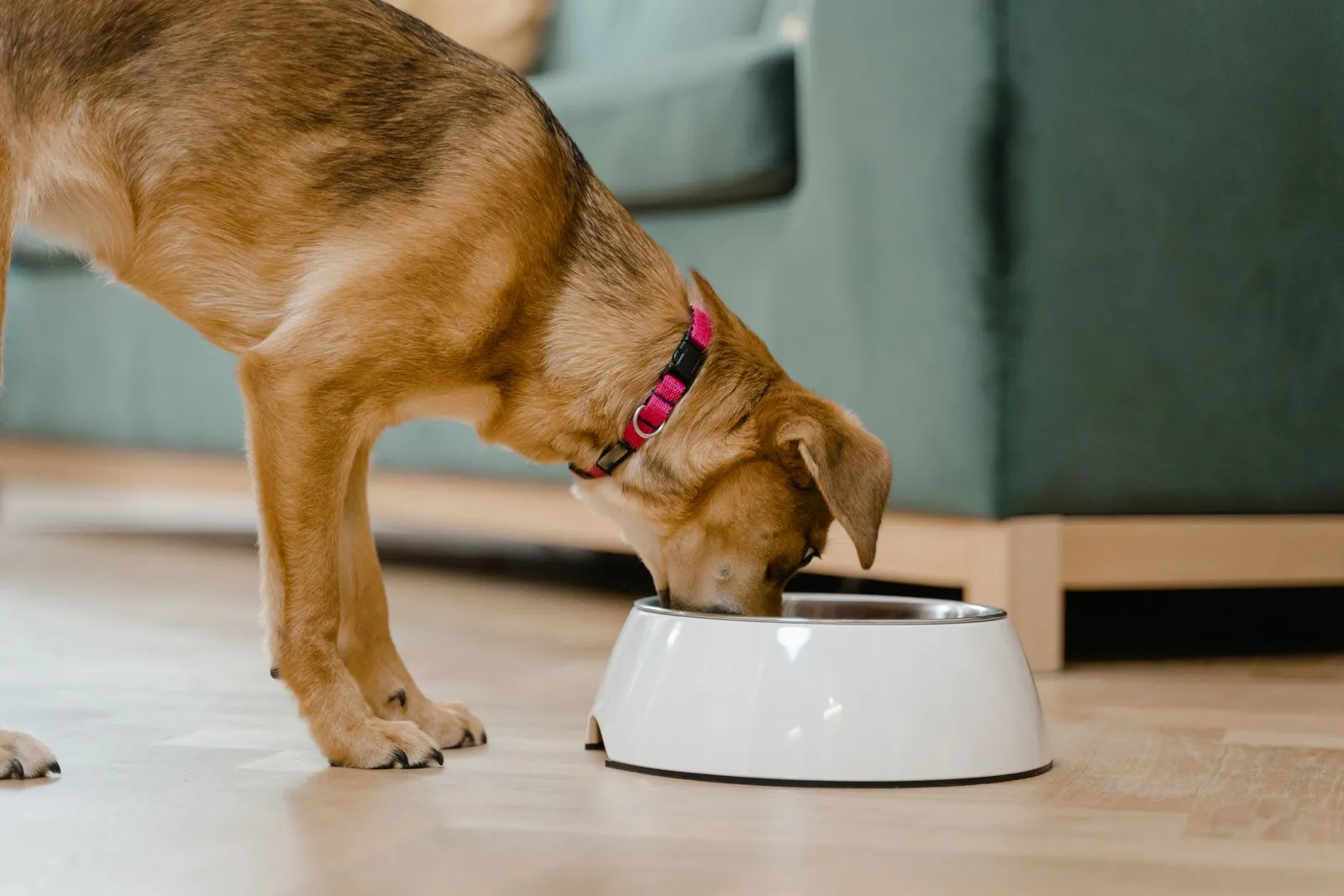
A puppy will inhale chapati crumbs off the floor and refuse the bag labelled puppy food. Also classic. Straight answer on puppy dog food: growing dogs need food formulated for growth — higher protein, balanced calcium and phosphorus, and enough calories per kilogram of body weight. Adult dog food in a smaller portion does not cover that gap. Neither does roti dipped in milk.
If your puppy is vomiting, lethargic, or has not eaten for 48 hours, stop reading and call your vet. Sploot does grooming, walking, and ready-to-eat meals — we are not a substitute for that call.
Puppy dog food is not adult food in a smaller bowl
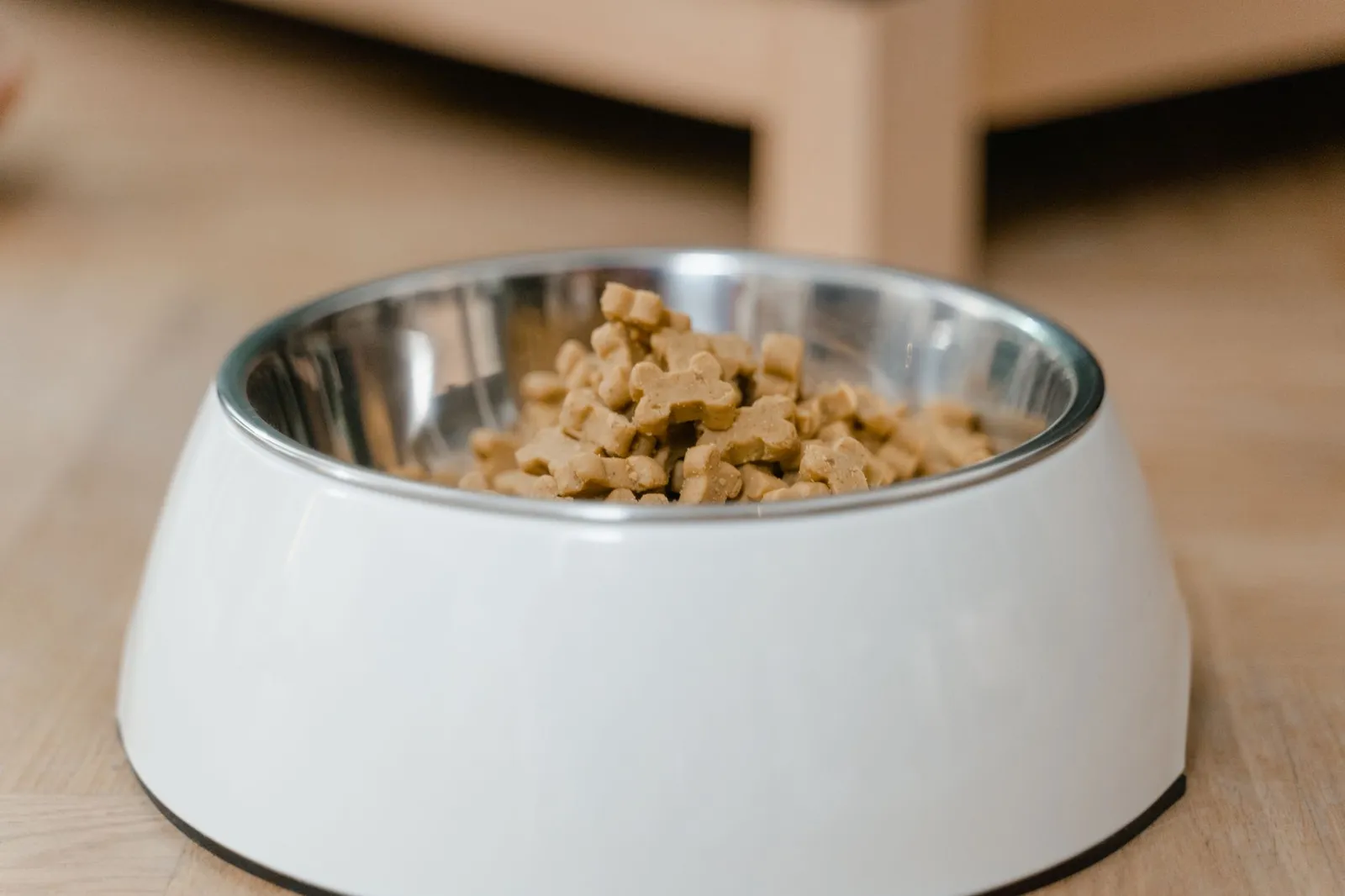
Puppy food exists because growth has different maths. Puppies burn more energy per kilogram than adult dogs. Their muscles, bones, and brain tissue are building fast. AAFCO standards reflect that — puppy formulas target at least 22.5% protein and 8.5% fat on a dry-matter basis, versus 18% protein and 5.5% fat for adult maintenance food.
That gap is not marketing. Feed adult kibble to a three-month-old for a month and you are underfeeding protein and often miscalibrating minerals. Calcium matters especially in large-breed puppies — too much or too little can affect bone development.
Puppy dog food should say puppy, growth, or all life stages on the label — and if it says all life stages, check that it is formulated to meet growth requirements, not just maintenance. When in doubt, pick a bag that explicitly says puppy.
Rule of thumb: if your puppy is under twelve months (eighteen for large breeds), default to puppy-labelled complete food unless your vet says otherwise.
Puppies need more meals than adult dogs — here is the schedule
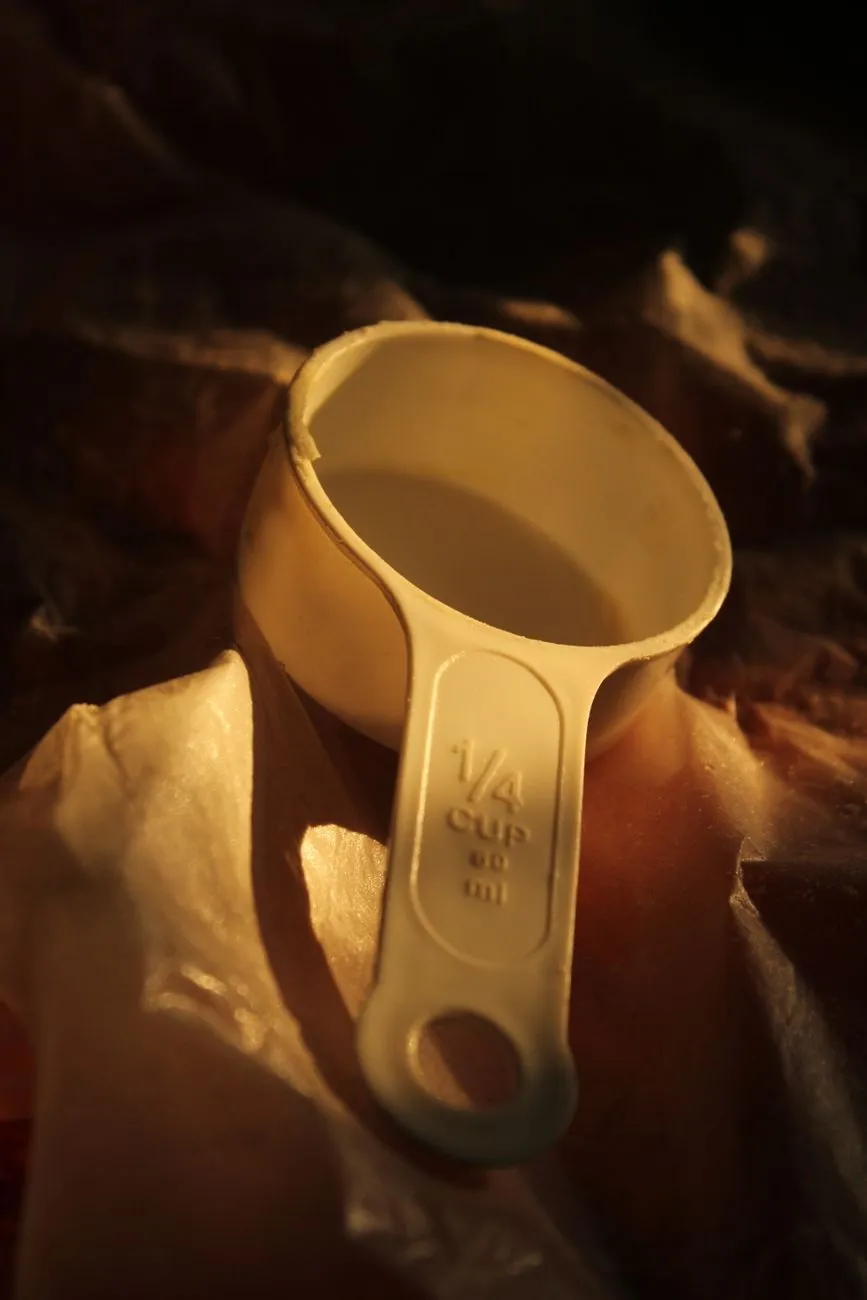
Frequency matters as much as the bag you choose. Puppies have small stomachs and fast metabolisms. One big bowl at dinner leaves blood sugar swinging and often leads to loose stools.
A practical puppy feeding guide for most Indian homes:
- 8–12 weeks: 4 meals per day, evenly spaced
- 3–6 months: 3 meals per day
- 6–12 months: 2 meals per day (small breeds may reach this earlier)
Portion size comes from the chart on your food bag — adjusted for body condition. You should feel ribs with light pressure, not see them sharply. A potbelly on a young puppy is not cute excess; it often means overfeeding.
Our feeding chart for puppies on Sploot maps amounts by age and expected adult size. Use it as a starting point, then adjust by waist and energy. Puppies in active training burn more than couch potatoes the same age.
Weaning puppies under eight weeks usually need soaked kibble or wet puppy food — porridge consistency at first, firmer over two to three weeks. Very young puppies separated from their mother need a vet-recommended milk replacer, not cow or buffalo milk. The lactose content alone can wreck a small gut.
Recommended products
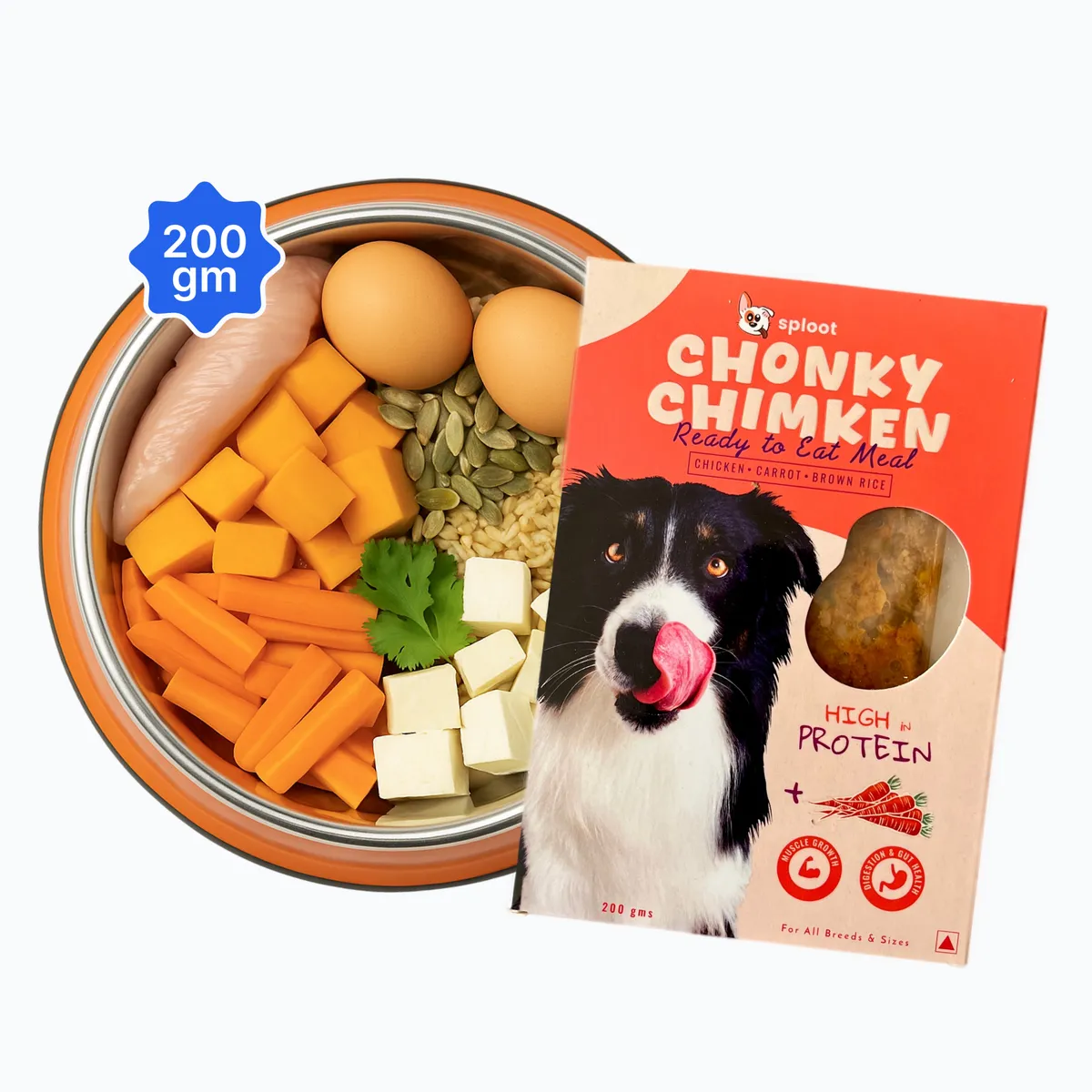
Chonky Chimken Dog Food
From ₹99
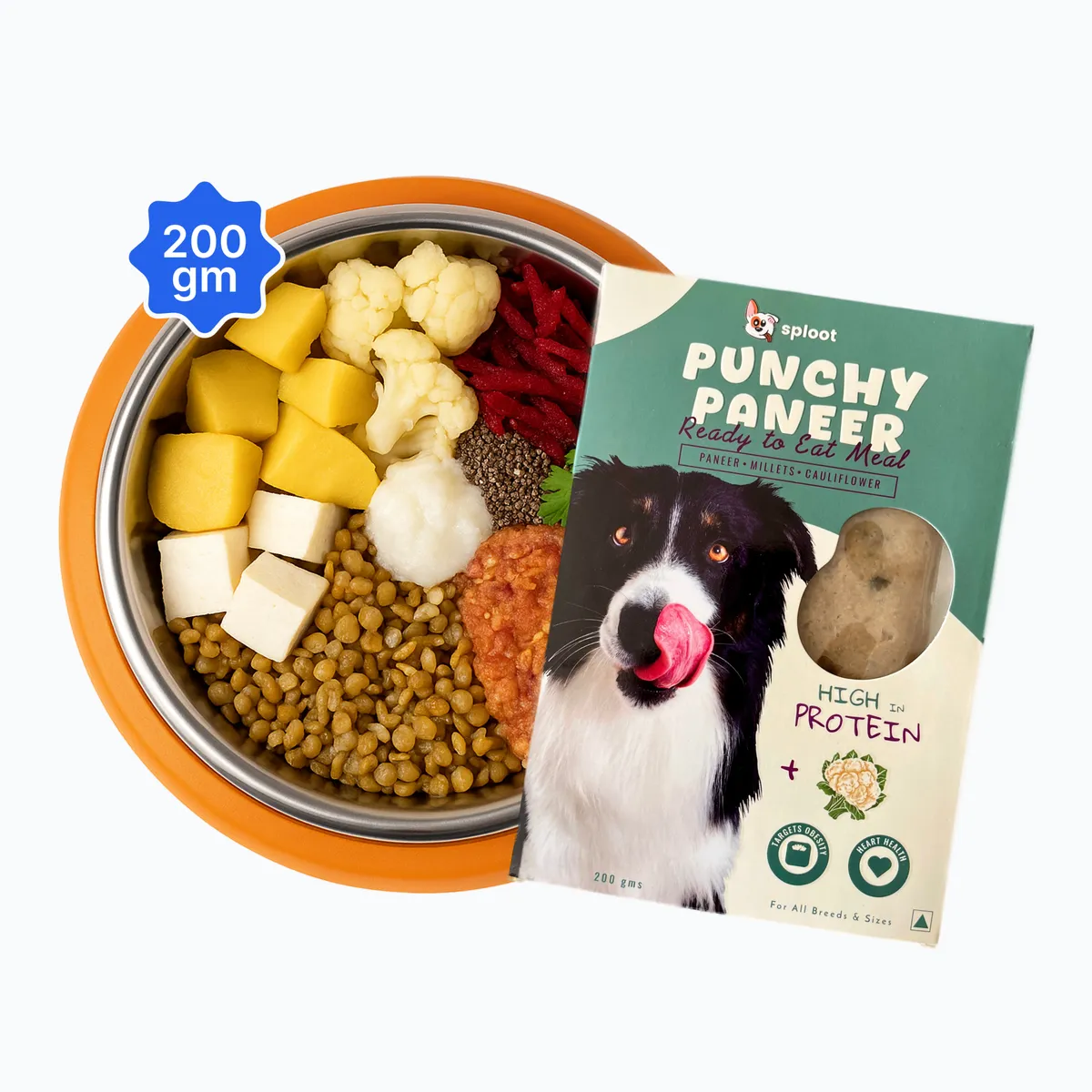
Punchy Paneer Dog Food
From ₹99
Kibble, wet, or fresh — what works for puppy food in India
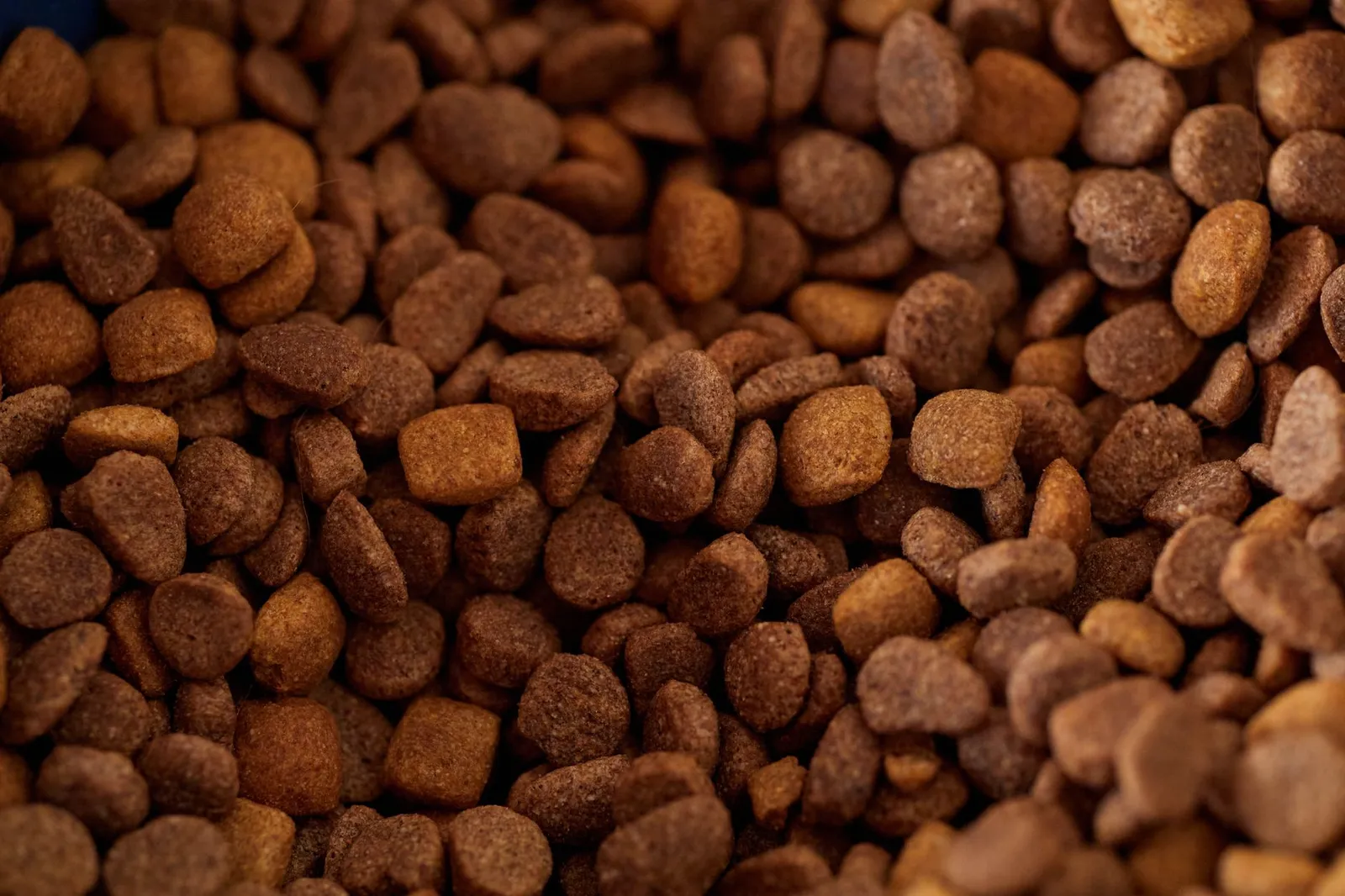
Most Indian pet parents land on one of three formats. Each can work if it is complete and labelled for puppies.
Dry puppy kibble is the default for good reason. Kibble dog food for puppies stores well in humid cities, works in puzzle feeders, and the crunch helps early dental wear. Soak it until about eight to ten weeks if your puppy struggles with dry pieces. After that, most jaws handle dry kibble fine.
Wet puppy food suits picky eaters and hot summers when dogs drink less water on their own. It spoils faster once opened — refrigerate and use within the label window. Mixing wet and dry is fine; count total calories, not bowls.
Fresh puppy food — cooked, balanced, delivered or bought ready — appeals to dogs who ignore kibble but eat anything that smells like the kitchen. The win is palatability plus formulation. The trade-off is fridge space, shorter shelf life, and price per day versus a 3 kg kibble bag.
There is no single best puppy food in India for every dog. A Beagle puppy in Pune and an indie pup in Delhi may both thrive on different formats. What they share: complete nutrition, puppy life stage, and a transition period when you switch brands.
When you change foods, mix over 7–10 days — 25% new, then 50%, then 75%, then full. Loose stool for a day can happen. Blood, repeated vomiting, or refusal to eat means stop and call the vet.
Sploot ready-to-eat meals are built for everyday feeding once your vet clears solid food for your puppy's age. Trial packs start at ₹99 for 100 g — useful if you want to test palatability before committing to a subscription pack. They are not a milk replacer for neonatal puppies.
Read the puppy label before the cartoon dog on the bag
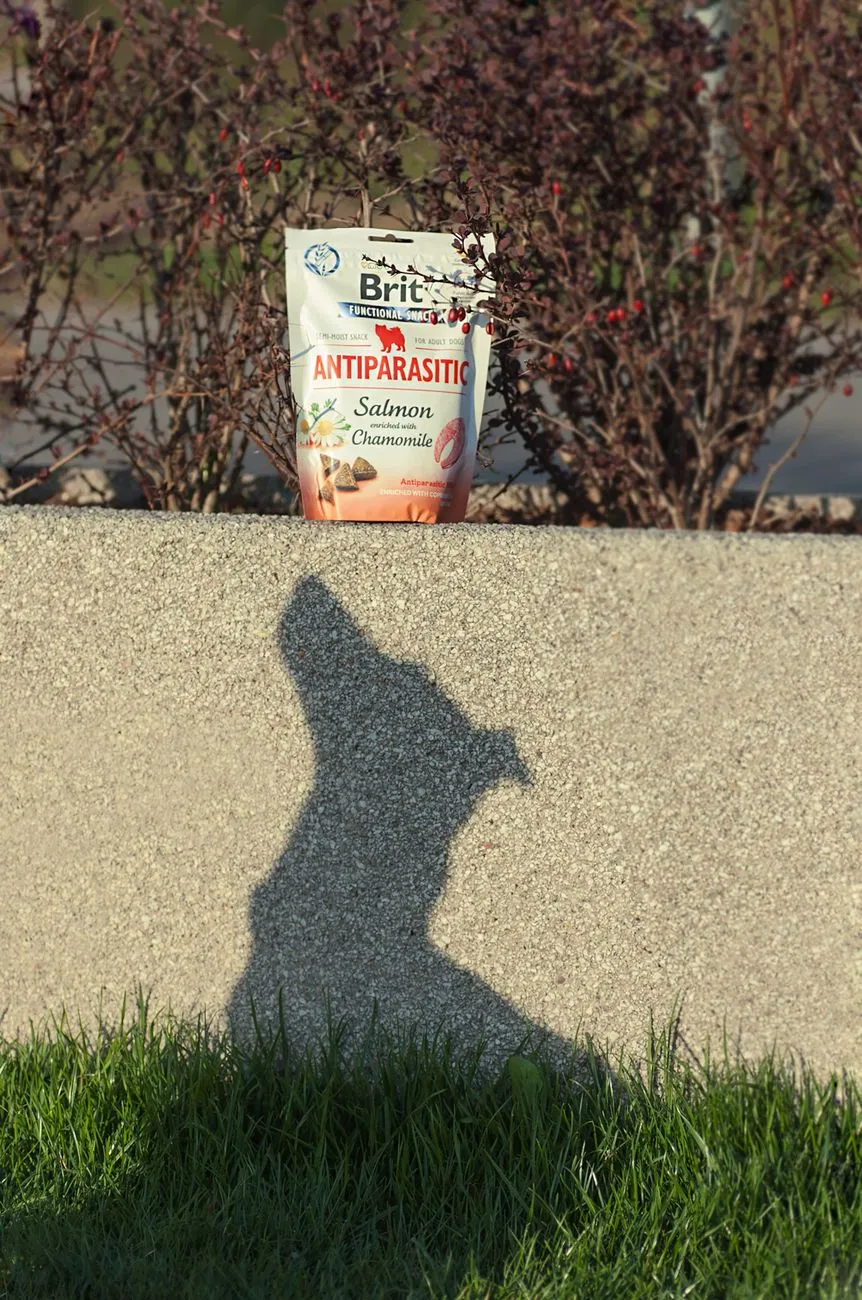
The front of the bag is advertising. The back is the contract.
First ingredient: a named animal protein — chicken, fish, lamb, egg. Not "meat and meat derivatives" as the only clue. Protein quality matters for muscle and immune development.
Life stage: puppy or growth. Adult maintenance food fails the test even if the puppy on the packaging looks adorable.
Fat and fibre: enough fat for energy, enough fibre for stool quality. Constant loose stools after two weeks on a food suggest it may not suit your puppy's gut — not a moral failure, just a mismatch.
Avoid leaning on arbitrary calcium powders if you already feed a complete large-breed puppy formula. Extra calcium is a leading cause of orthopedic problems in growing large breeds, according to veterinary nutrition guidance.
Expensive kibble is not automatically better. Read the label — protein source, fillers, life stage — not the Instagram ad. If your puppy is thriving on what they are on, I will not tell you to switch for the sake of it. That is an opinion I hold because I have read too many labels that cost more and say less.
Our best dog food in India guide on Sploot walks through the same label checks for adult food — the habits transfer directly to puppy aisles.
Large-breed and small-breed puppies need different formulas
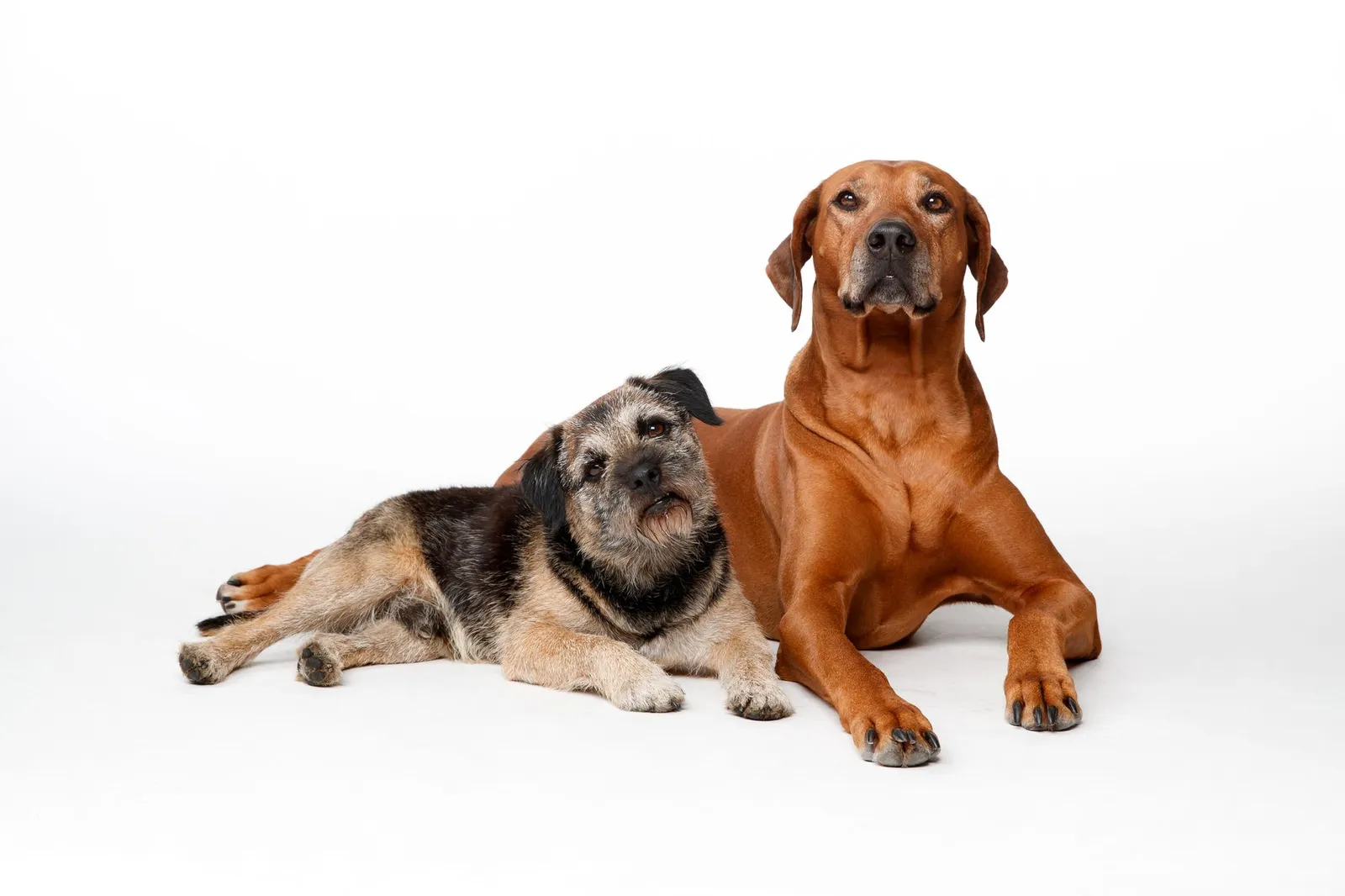
Breed size changes the mineral balance, not just the portion cup.
Large-breed puppies — Labradors, German Shepherds, Golden Retrievers — need controlled calcium and phosphorus so bones do not grow faster than they should. Use a large-breed puppy formula until 12–18 months. Random calcium supplements on top of complete food can do more harm than good.
Small-breed puppies — Shih Tzus, Dachshunds, many indie pups under 10 kg expected adult weight — need calorie-dense food in smaller kibble pieces. A large pellet is a choking hazard and often gets left in the bowl.
Indie puppies are not a separate nutritional species. They need the same complete puppy food as any breed. Portion by expected adult size and ribs, not by guilt or street-dog mythology.
If your puppy has chronic itching, ear infections, or soft stool on every protein source you try, talk to your vet before cycling through ten brands. Our hypoallergenic dog food guide covers elimination basics for adult dogs — the same vet-first rule applies to puppies.
Home-cooked puppy food works only when someone does the maths
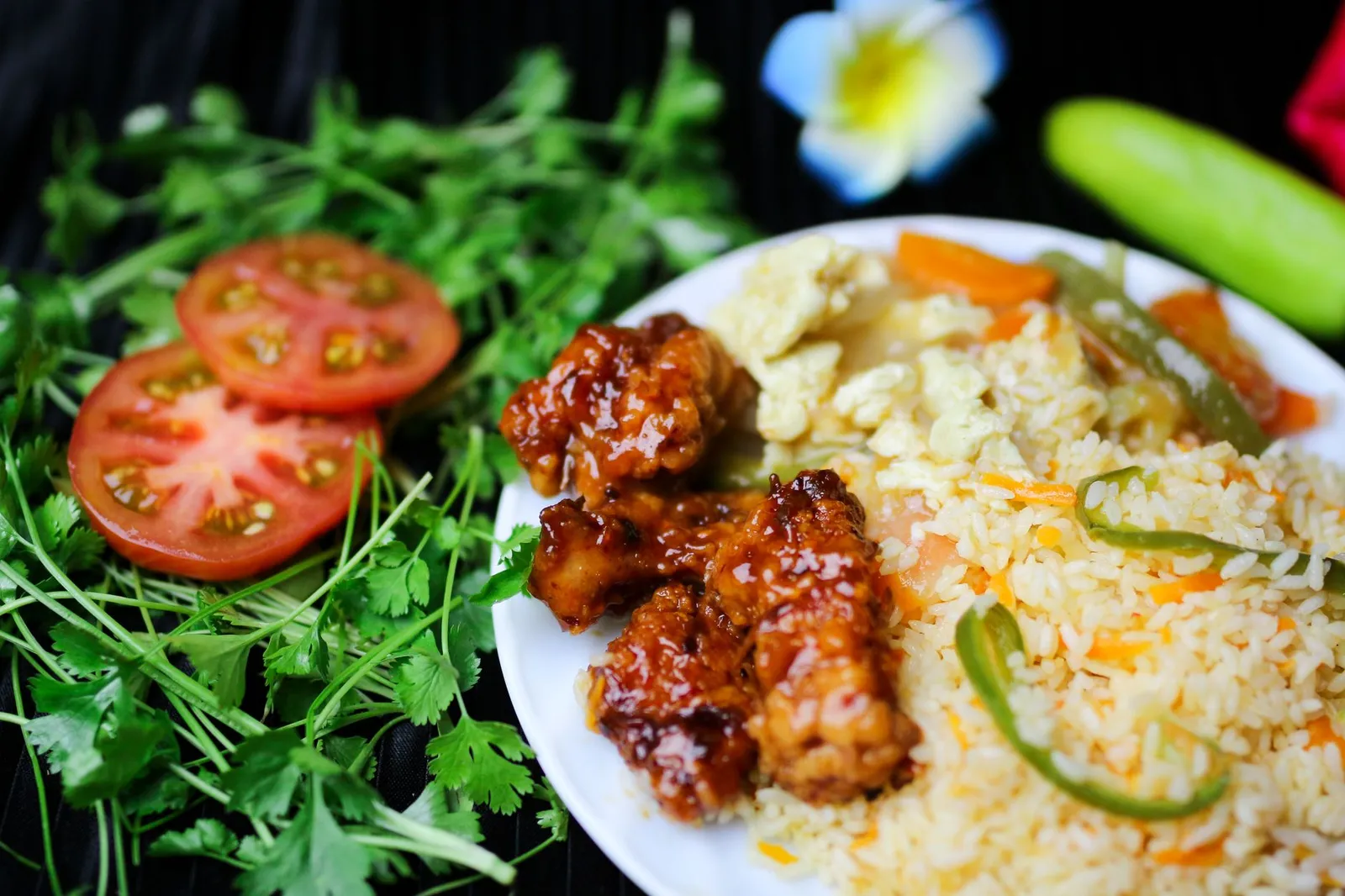
Rice, boiled chicken, curd, pumpkin — I get the appeal. It looks like what we eat. It feels like care.
The problem is not home food. It is home food without the maths: correct protein percentage, calcium-to-phosphorus ratio, essential fatty acids, and portion by growth stage. Most well-meaning kitchens cook from habit, not formulation. The WSAVA global nutrition guidelines stress that home-prepared diets need professional formulation to meet growth requirements.
I learned that the hard way with our indie puppy Sriracha. I was confident enough to cook for her myself and made a meal far too high in chicken liver. She was quiet that evening, then violently sick the next day. The vet visit and the guilt lasted longer than the illness.
That experience is partly why Sploot meals exist — formulated with canine nutritionists, tested on our own dogs before we sell them. Home-cooked can work if a veterinary nutritionist builds the recipe. It fails when we guess.
Common Indian kitchen mistakes for puppies:
- Roti and milk: chapati is mostly carbs; cow or buffalo milk often causes diarrhoea because of lactose
- Overfeeding: a round puppy is not a healthy puppy
- Table scraps and fried food: onions, garlic, excess salt — all on the no list
- Too many supplements on top of complete commercial food
If you home-cook, weigh ingredients and follow a vet-approved recipe. If you use kibble or fresh commercial food, skip the supplement shelf unless your vet prescribes something specific.
When to switch from puppy food to adult food
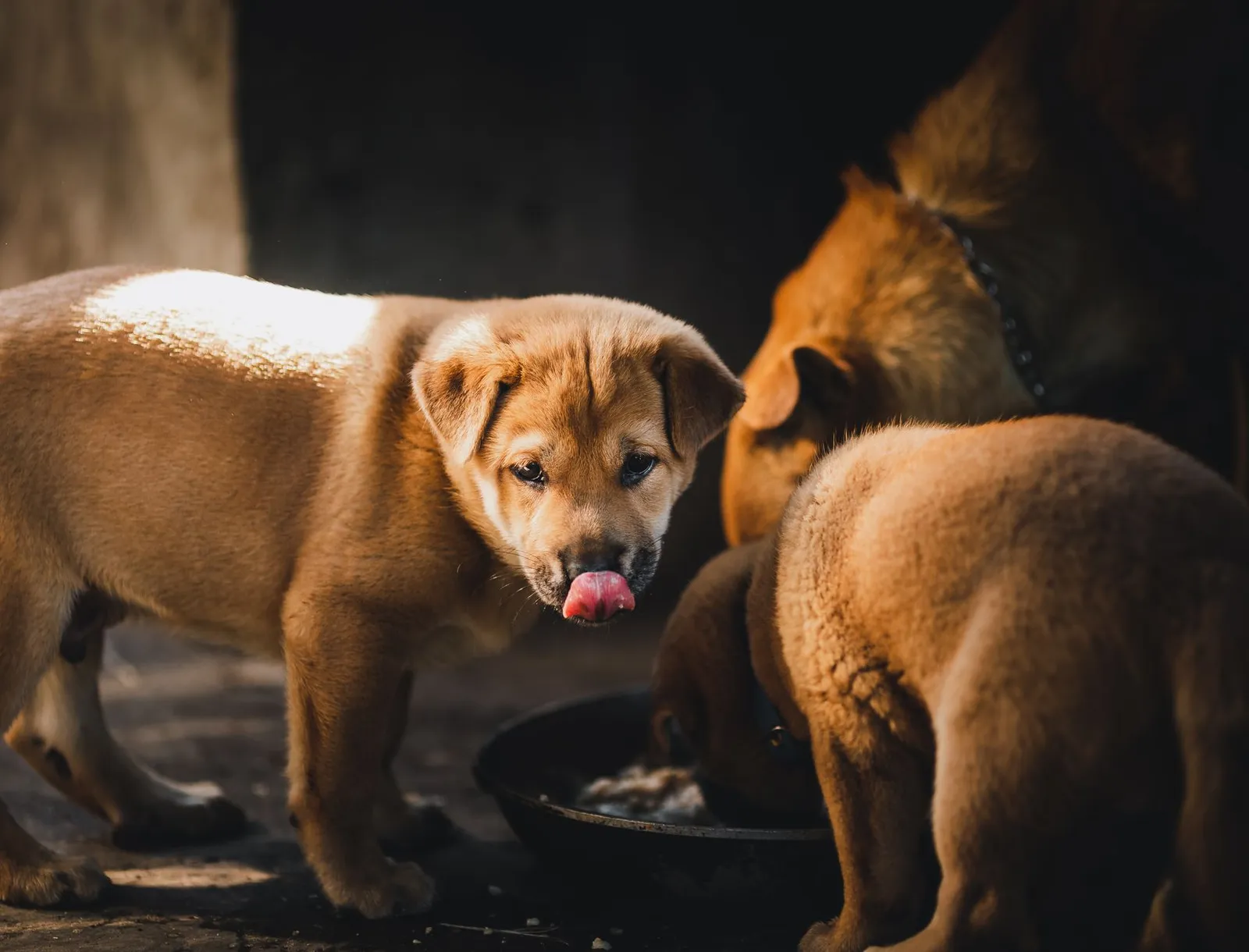
Switching too early starves growth. Switching too late loads calories a young adult does not need.
Rough guide:
- Small breeds (under 10 kg adult): 9–12 months
- Medium breeds: 12 months
- Large and giant breeds: 12–18 months
Your vet may adjust based on growth plates and body condition. An indie who finished growing at ten months switches earlier than a Labrador still gaining height at fourteen months.
Transition the same way you introduced any new food — 7–10 days of gradual mixing. Day 1–3 mostly puppy food, then half and half, then mostly adult. Watch stool and appetite.
Once on adult food, use our dog food chart on Sploot to set daily grams by size. Keep dog treats under 10% of calories — puppies in training burn treats fast. Our dog treats guide covers the maths without turning every sit command into a biscuit festival.
When Sploot is not the right fit: if your vet has prescribed a therapeutic diet for a diagnosed condition, follow that — do not swap because you read a blog. If your puppy is under six weeks and needs milk replacer, we are not that product. If they are healthy on a puppy kibble you can buy locally and the price works, keep it. We sell meals, not guilt.
Straight answers
Can puppies eat adult dog food?
No — not as their main diet. Adult food lacks the protein density and mineral balance puppies need for growth. A stolen bite of an adult dog's kibble will not harm them. Months on adult formula will.
How many times a day should I feed my puppy?
Four meals from about eight to twelve weeks, three meals until roughly six months, then two meals for most dogs through the first year. Space meals evenly — breakfast, lunch, dinner, and a late snack for young pups.
What is the best puppy food in India?
The one labelled complete for puppy growth that your individual puppy digests well — steady weight gain, firm stools, clear skin, and energy. Format matters less than completeness and life-stage labelling. Named animal protein first on the ingredient list is a solid filter.
Can I give milk to my puppy?
Cow or buffalo milk is a common cause of diarrhoea in puppies because of lactose. If they are weaned onto solid food, water and complete puppy food are enough. Unweaned puppies need vet-recommended milk replacer, not kitchen milk.
When should I switch from puppy food to adult food?
Small breeds around 9–12 months, medium around 12 months, large breeds 12–18 months. Switch gradually over 7–10 days and watch body condition.
How much puppy food should I feed?
Follow the bag chart for your puppy's current weight, then adjust by ribs and waist. Your vet can weigh them at vaccinations to keep you honest. Overfeeding is more common than underfeeding in city apartments.
Is kibble or fresh food better for puppies?
Either works if it is complete and labelled for growth. Kibble stores easily and suits most budgets. Fresh suits picky eaters and dogs who ignore dry food. Pick based on digestion, storage, and what you can sustain daily — not forum hype.
Can puppies eat home-cooked food?
Yes — if the recipe is balanced by a veterinary nutritionist for growth stage. Random rice-chicken-roti mixes without calculated minerals are where problems start. If you will not run the numbers, use complete commercial puppy food.
If you are still figuring out portions after the first vet visit, the feeding chart for puppies on Sploot is a sensible place to start. For a formatted everyday meal once your vet clears it, trial packs on sploot.space let you test before you subscribe. Your puppy will forgive the learning curve faster than you will — but getting puppy dog food right early saves a lot of vet visits later.
— Garima Kaushal, co-founder, Sploot
FREE GUIDE
Feed your dog right: the complete nutrition guide
Portions, fresh food, treats and what to avoid. Everything about your dog's diet in one free guide.
Read More
Everything your dog needs, in one app.
Track sessions in real time, receive updates, manage bookings, shop essentials and stay connected to your dog's care journey—all from the Sploot app.