
In this post: the straight answer — why gaps happen — breakthrough signs — survival and recovery — keeping the D shot current — when Sploot is not the clinic — straight answers
Can a Vaccinated Dog Get Distemper — Rare Breakthroughs
Can a vaccinated dog get distemper? Rare breakthroughs happen. Know why shots fail, early signs, recovery odds.

27 Jul 2026 · 3 min read
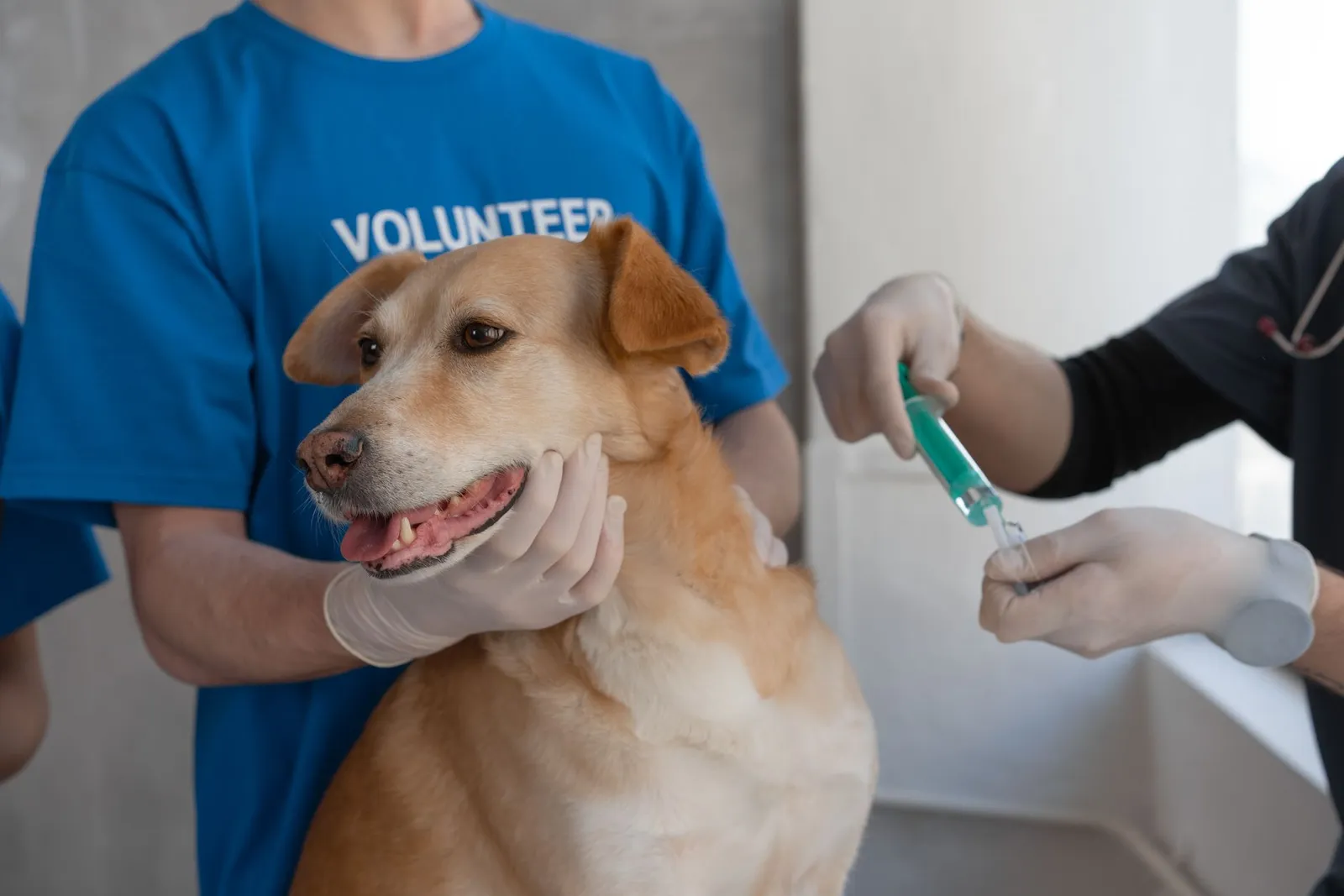
I get this search at 11pm more than I wish: can a vaccinated dog get distemper. Straight answer — yes, rarely. The vaccine is highly effective and still not a force field. Breakthrough cases happen when the puppy series was incomplete, boosters lapsed, maternal antibodies blunted an early shot, or the dog’s immune system was already stressed.
In India, that rare case still matters because unvaccinated free-roaming dogs keep the virus circulating. A stamped card lowers risk. It does not replace a vet when fever, eye discharge, and coughing arrive together.
Yes — rare is not the same as never

Vaccines do three useful jobs. They raise the chance the immune system clears the virus before illness. They usually soften disease if infection still slips through. They shrink how much virus moves through a neighbourhood when enough dogs are protected.
None of that equals a 100 percent promise. Keep the schedule, expect far lower risk, and do not treat a collar tag as a diagnosis. PetMD distemper overview and the Merck Veterinary Manual on canine distemper both frame vaccination as the main defence, not a lifetime free pass.
If a vaccinated dog does get infected, illness is often milder than in an unvaccinated puppy. Milder is still a clinic problem.
Why fully vaccinated still leaves gaps in India
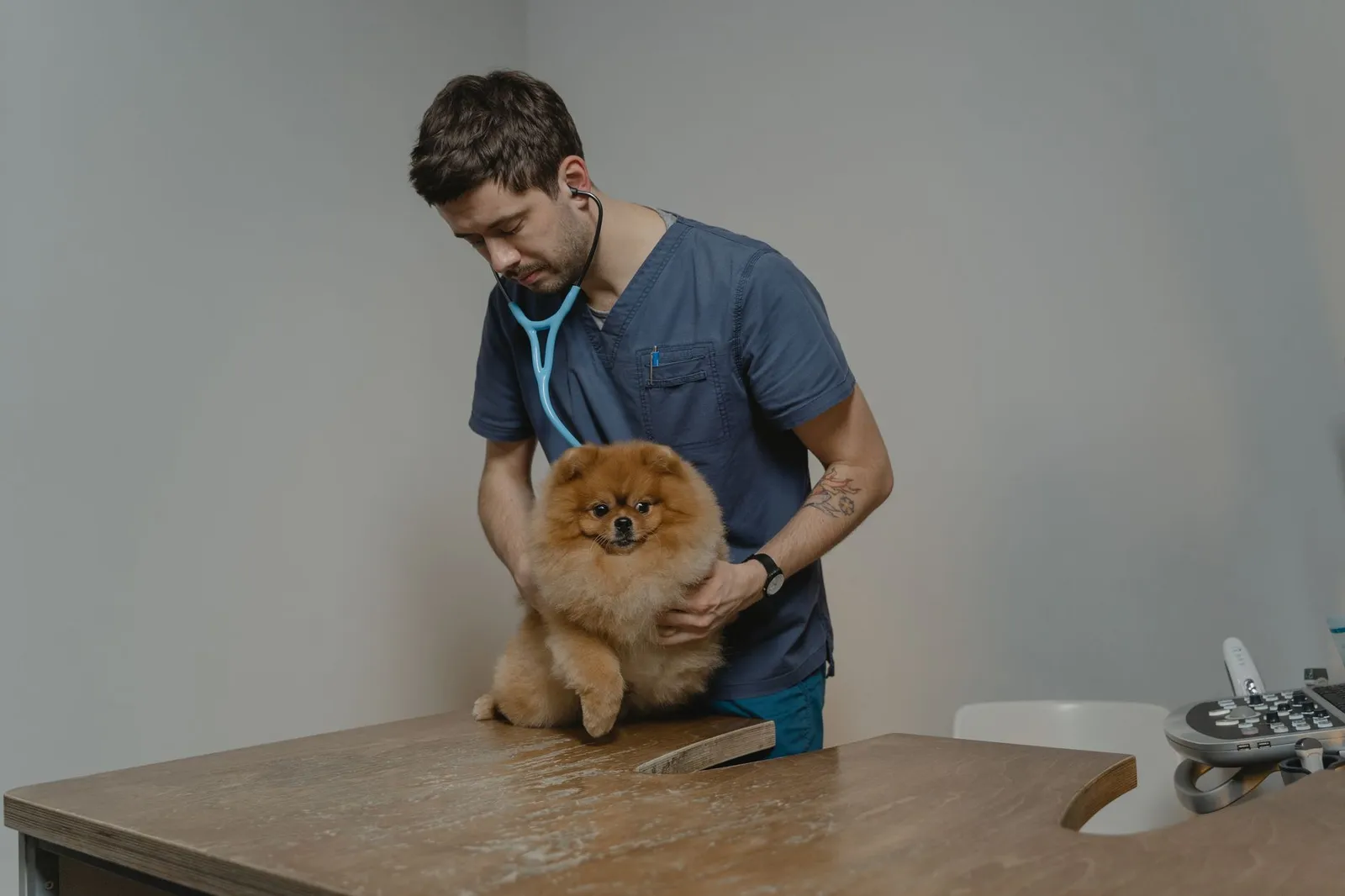
When parents say fully vaccinated, I ask three follow-ups. Did the puppy finish the series until about 16 weeks. Was the one-year booster done. Are adult boosters on the interval your vet actually uses — often every one to three years for the distemper component inside DHPP or 5-in-1 style shots.
Puppies sit in a messy window. Antibodies from mother’s milk can block a vaccine from taking, then fade before the next dose lands. That gap is why series shots exist. One early jab is not a finished wall.
Adult gaps look different. A missed booster. A sick day that delayed the appointment. A street-dog exposure in the building compound while papers sat at home. Stress and other illness can also blunt the response. My rule of thumb: know your vet’s number now, not when the second fever spike starts.
We built Sploot because care advice in India was fragmented when we needed it for our own dogs. Trusted information still starts with a real clinic card, not a WhatsApp screenshot of someone else’s puppy schedule.
For price context on combo shots, see our dog vaccination cost in India guide. For another core-virus survival conversation, the canine parvo survival guide sits next door.
Recommended products

Chonky Chimken Dog Food
From ₹99

Punchy Paneer Dog Food
From ₹99
What breakthrough distemper looks like day to day

Distemper can hit respiratory, gut, and nervous systems in waves. Early days often look like a cold that will not quit — fever, lethargy, reduced appetite, eye and nose discharge, coughing.
Then gut signs can join: vomiting, diarrhoea, dehydration. Later, or even after the dog seemed to improve, neurologic signs may appear — twitching, chewing-gum jaw movements, seizures, wobbliness. Hardened footpads or nose leather (hard pad) show up in some dogs after the acute phase.
In a vaccinated dog, any of these can be quieter at first. Quieter is not safer to ignore. Fever without a plan belongs with your vet — and if you were googling tablets, start with what to give a dog for fever before you open a human strip.
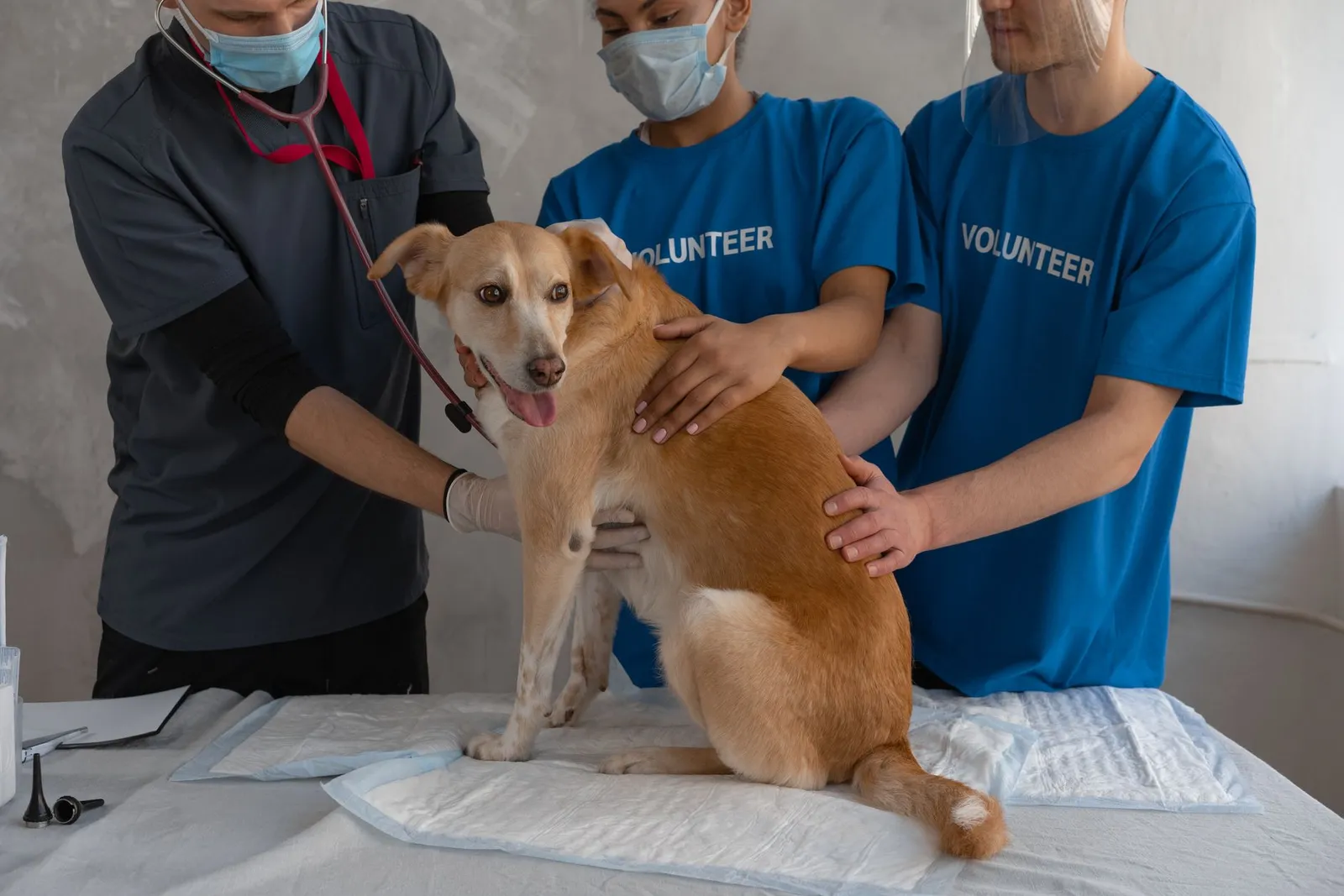
Isolate the sick dog from other pets. Wipe shared bowls. Tell the clinic you may be contagious so they can room you sanely.
How long can a dog live with distemper — recovery odds
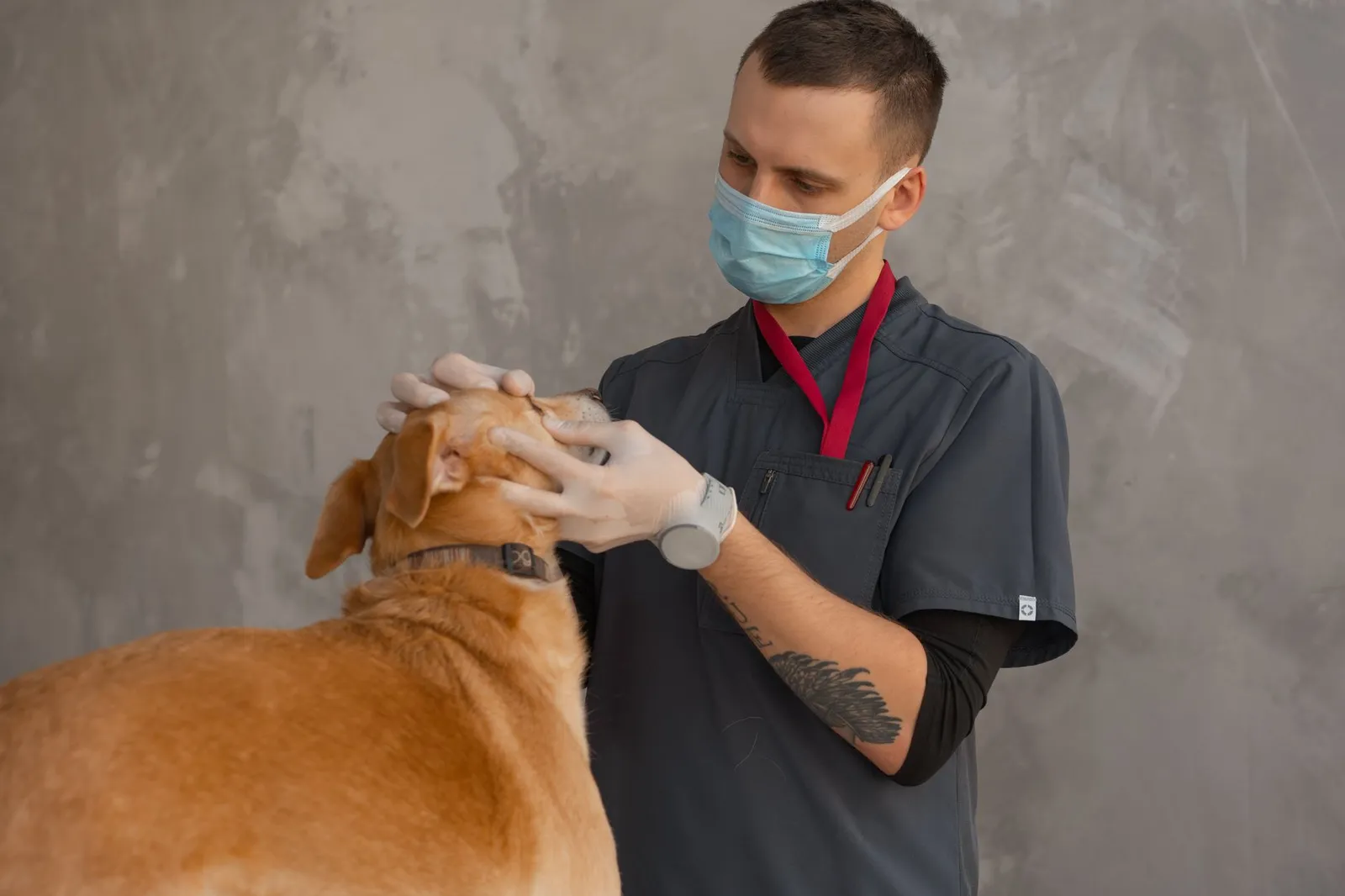
Parents type how long can a dog live with distemper and can a dog recover from distemper when the waiting room feels endless. Honest answer: it depends on the strain, the immune response, how fast supportive care starts, and whether the nerves get involved.
There is no specific antiviral cure in routine practice. Treatment is supportive — fluids, nutrition, drugs for secondary infections, seizure control, nursing. Dogs with mainly respiratory and gut disease can recover with aggressive care. Progressive neurologic disease carries a guarded to poor outlook. Roughly half of clinically infected dogs may not survive without solid care, and neurologic survivors can keep lifelong twitches or seizures.
Systemic illness can run about ten days in some dogs. Neurologic signs can wait weeks or months after the first fever. If your dog recovers, ask the vet about shedding and when other dogs at home are safe. Timing is a clinical call. For depth, use the Merck page above and the AVMA canine distemper page.
Keep the D shot current on a real schedule
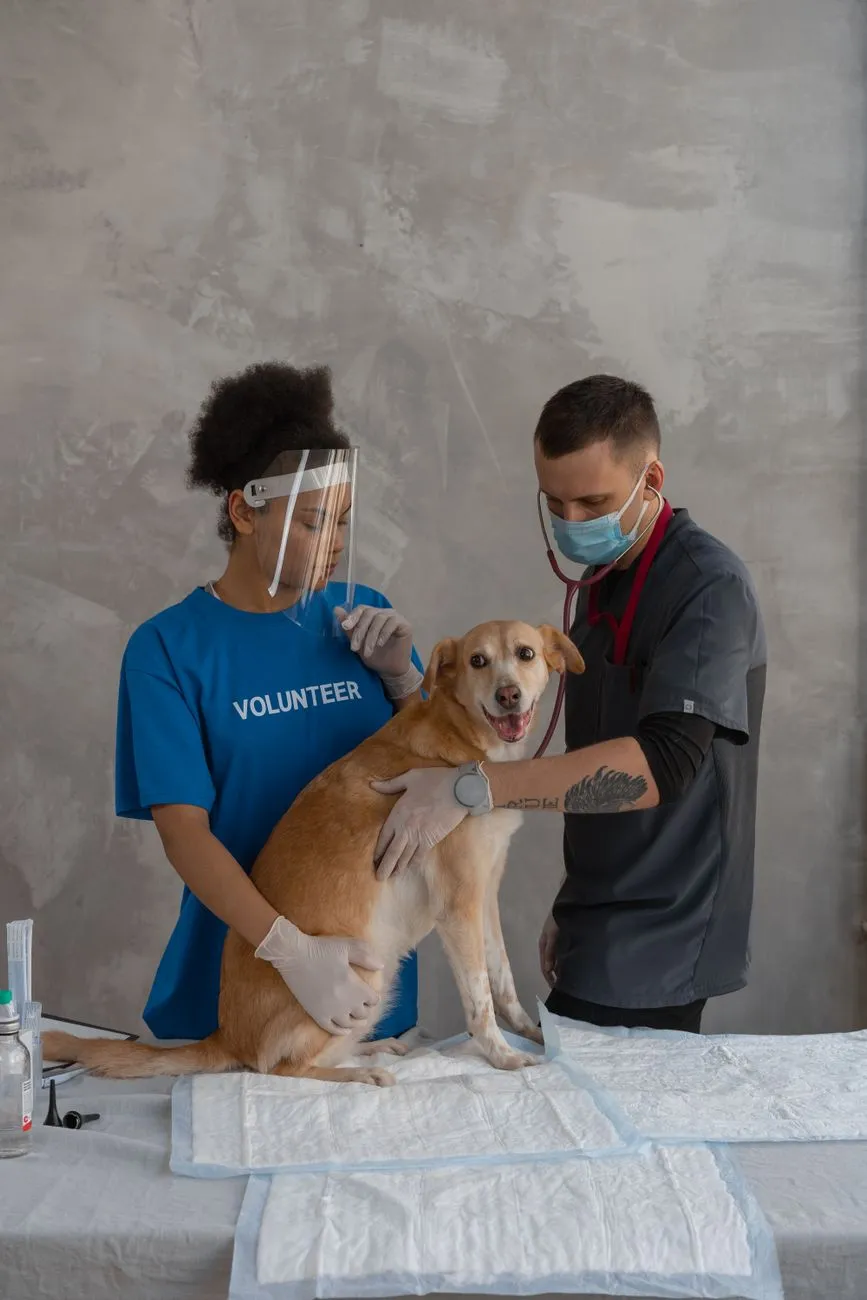
Prevention still beats ICU math. Typical puppy flow: first distemper-containing vaccine around 6 to 8 weeks, then boosters every 3 to 4 weeks until at least 16 weeks. Adults with an unknown history usually need a short catch-up series. After the one-year booster, many vets move to a one-to-three-year interval based on risk and local disease pressure.
Write the dates in one place. Bring the card to boarding and travel paperwork. If you adopted an indie or street pup with a fuzzy history, start the catch-up now.
Rabies and distemper questions often arrive in the same panic spiral. Keep those threads separate. Rabies after a bite is a human-medicine path; our vaccinated dog rabies bite guide covers that lane. Distemper is a dog-to-dog and wildlife aerosol story.
When Sploot is not the clinic

Sploot does home grooming and walking across 25 cities. We are not a veterinary hospital. Suspected distemper, seizures, bloody diarrhoea, or a dog that will not drink needs a vet today. Do not book a bath while they may be shedding virus. Do not ask a walker to take a coughing puppy to the park for fresh air.
If your dog is well and you just need routine care after the all-clear, book on Sploot or visit sploot.space. Until then, the right product is a clinic appointment and a quiet room at home.
I would rather turn down a grooming slot than pretend scissors fix a neurologic virus.
Straight answers
Can a vaccinated dog get distemper?
Yes, rarely. Complete puppy series plus boosters on time makes breakthrough infection uncommon. Incomplete schedules, maternal antibody interference, immune stress, and heavy local virus pressure raise the chance.
Can a dog recover from distemper?
Yes — especially when care starts early and neurologic signs are mild or absent. Severe progressive seizures and paralysis change the outlook quickly. Your vet should speak plainly about quality of life as signs evolve.
How long can a dog live with distemper?
Some dogs clear systemic signs in about ten days with support. Others worsen over two to four weeks without treatment. Neurologic disease can appear later and decide the timeline more than the first fever did.
How often does my dog need a distemper booster?
Follow your vet’s plan. After the puppy series and the one-year booster, many dogs boost every one to three years. High-risk boarding or local outbreaks can tighten that interval.
Is the first puppy shot enough protection?
No. Maternal antibodies can block early doses. The series exists to close that gap. Keep socialising carefully until the final puppy dose is done.
Can humans catch canine distemper?
Canine distemper is not considered a human disease the way rabies is. It still spreads easily among dogs and some wildlife. Protect other pets at home while you wait on lab results.
Is hard pad disease the same as distemper?
Hardened footpads or nose leather can follow canine distemper. It is a possible sequel of the infection, not a separate mystery disease with a different vaccine.
My vaccinated adult has a runny nose — is it distemper?
Usually not. Kennel cough, allergies, and other infections look similar at the start. Fever plus eye and nose discharge plus gut or nerve signs deserves a same-day vet call anyway.
If you are still staring at the vaccine card and the thermometer, call the clinic before you refresh this page again. I will be here for the boring prevention questions. The emergency ones belong with someone who can examine your dog in person.

FREE GUIDE
Feed your dog right: the complete nutrition guide
Portions, fresh food, treats and what to avoid. Everything about your dog's diet in one free guide.
Read More


Everything your dog needs, in one app.
Track sessions in real time, receive updates, manage bookings, shop essentials and stay connected to your dog's care journey—all from the Sploot app.