
In this post: what kibble is — reading labels — dry vs wet vs fresh — active and life-stage formulas — portions and 20kg bags — storage in India — when kibble fails — straight answers
Your dog will eat a sock off the floor and stare at the ₹800 kibble like you insulted them. Classic. Straight answer on kibble dog food: dry kibble is cooked, extruded complete food — the default dinner for most Indian homes because it stores well, costs less per day than fresh, and does not need refrigeration. It works when the label says complete and balanced, matches your dog's life stage, and you actually measure the scoop instead of guessing.
If your dog has not eaten for 48 hours, is vomiting, or looks lethargic, call your vet before you swap brands. Sploot does grooming, walking, and ready-to-eat meals — we are not a substitute for that call.
Kibble dog food is dry food — and it has to earn its place in the bowl
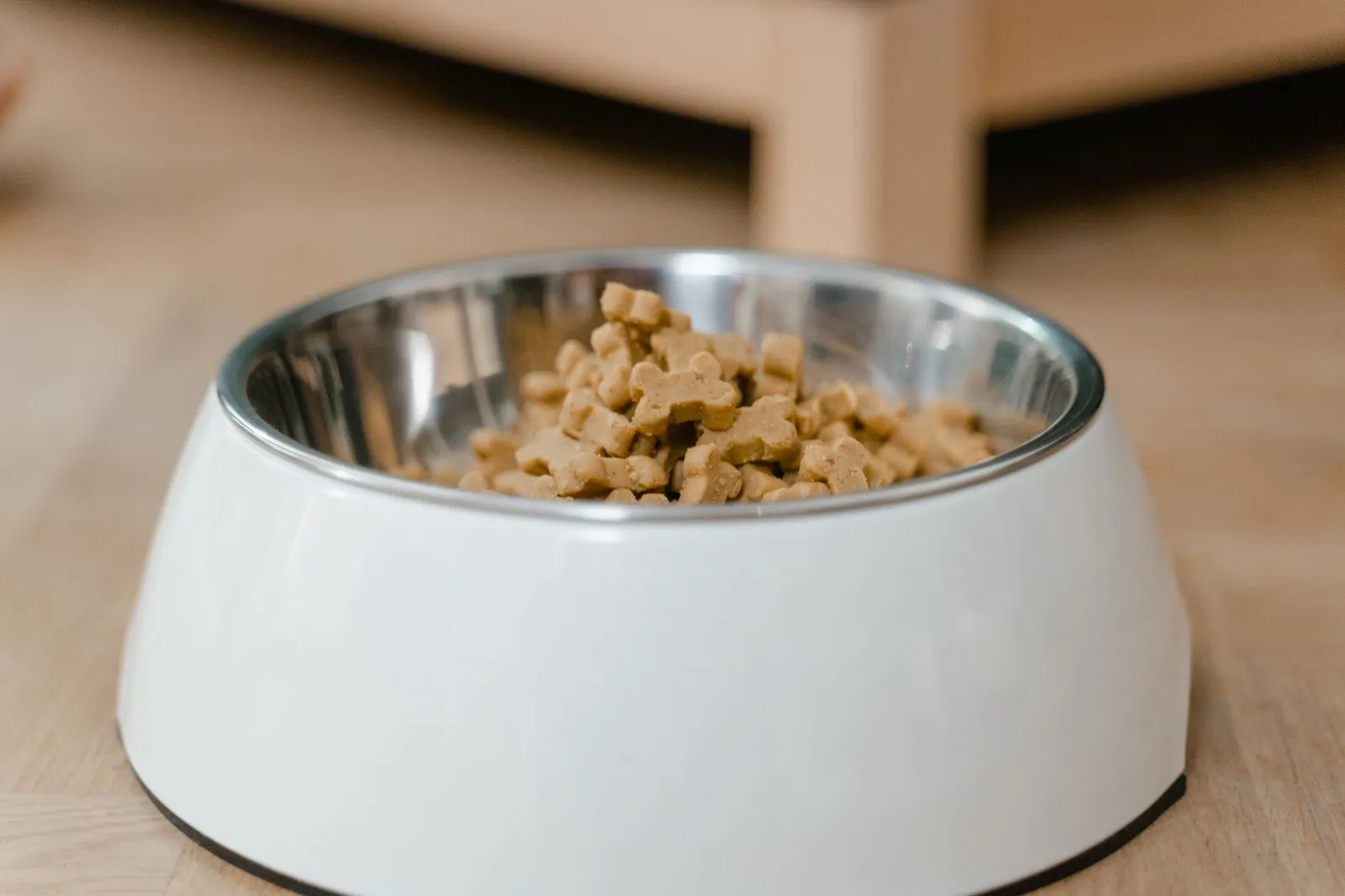
Kibble dog food and dry dog food are the same thing in India — baked or extruded pellets sold in bags, usually with a shelf life of months if you store them properly. Ingredients are cooked together, dried, and coated with fats and flavour so dogs accept the bowl.
That process has trade-offs. Kibble is convenient and portionable. It is also dry — dogs on kibble-only diets need fresh water always — and quality varies wildly between dog food brands. A ₹150/kg bag and a ₹500/kg bag can both say chicken on the front. The ingredient list tells you which one meant it.
Rule of thumb: if the bag does not say complete and balanced for your dog's life stage, it is not dinner. Treats, toppers, and table scraps do not count toward a balanced diet. Our dog treats guide on Sploot explains the 10% treat rule — biscuits and training crumbs come out of that slice, not on top of an already oversized bowl.
Read the kibble label before the cartoon dog on the bag wins
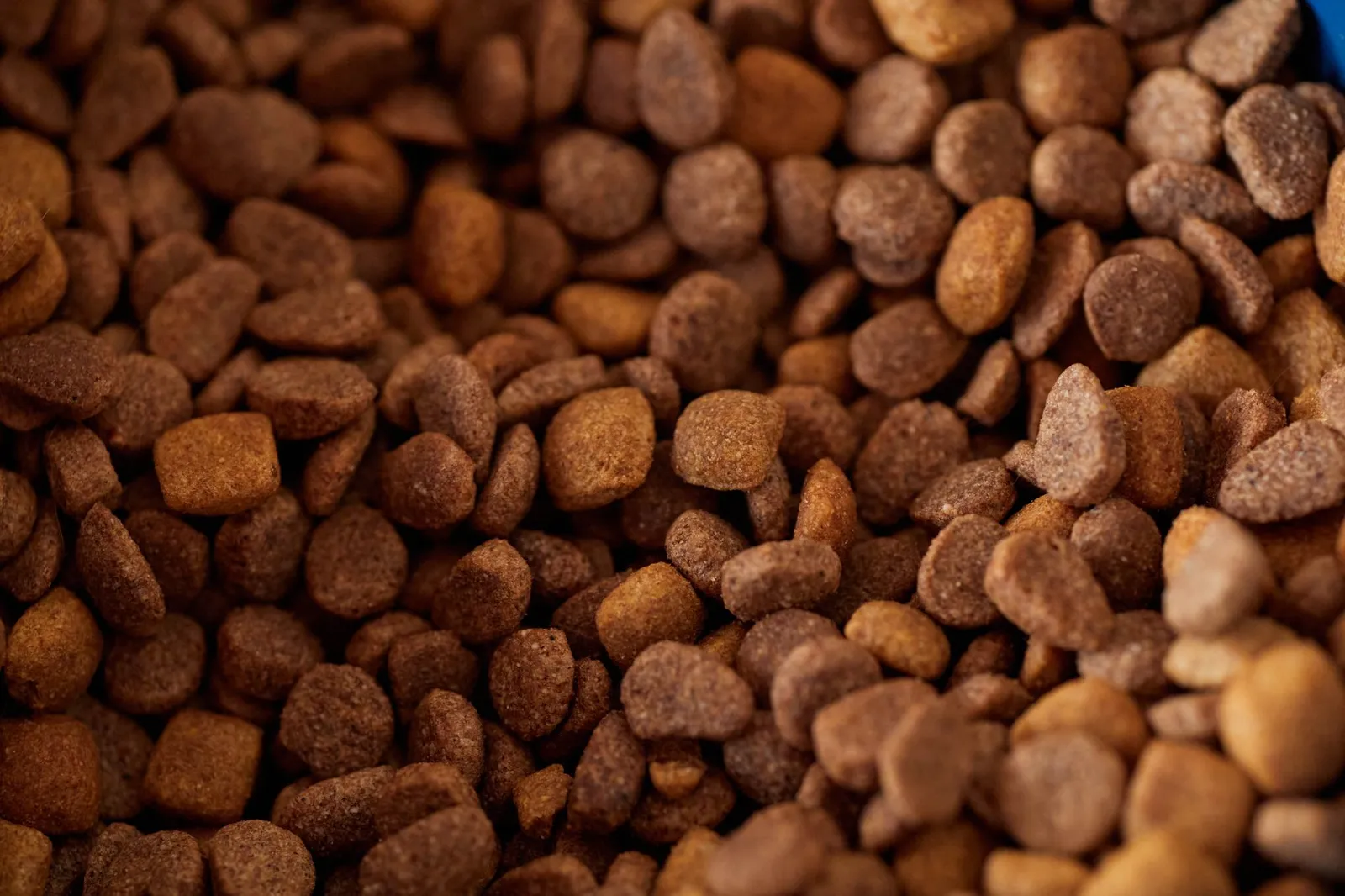
Flip the bag. Ignore the golden retriever on a beach until you have read three things.
First: a named animal protein in the first one or two ingredients — chicken, lamb, fish — not only corn, wheat, or vague meat meal. Chicken meal is fine; it is concentrated protein. Unnamed by-products are a yellow flag.
Second: complete and balanced for maintenance, growth, or all life stages. In India, look for compliance with recognised standards — AAFCO or FEDIAF statements on imported bags, or FSSAI labelling on local packs. If a reputable brand skips the phrase, find out why before you buy.
Third: life stage and size. Puppy kibble, adult maintenance, senior, and large-breed formulas exist because calcium, calories, and protein needs differ. Feeding adult kibble to a growing pup is a common mistake — our puppy dog food post walks through why growth formulas matter.
Artificial preservatives — BHA, BHT, ethoxyquin — still show up on cheaper lines. I am not alarmist about every additive, but when two bags cost the same and one skips those, I know which I pick.
Honest take: expensive kibble is not automatically better. Read protein source, fillers, and life stage — not the Instagram ad. If your dog is thriving on what they are on, I will not tell you to switch for the sake of it. Our best dog food in India guide compares brands when you are starting from zero or your vet asked for a change.
Dry dog food vs wet and fresh — pick the job, not the trend
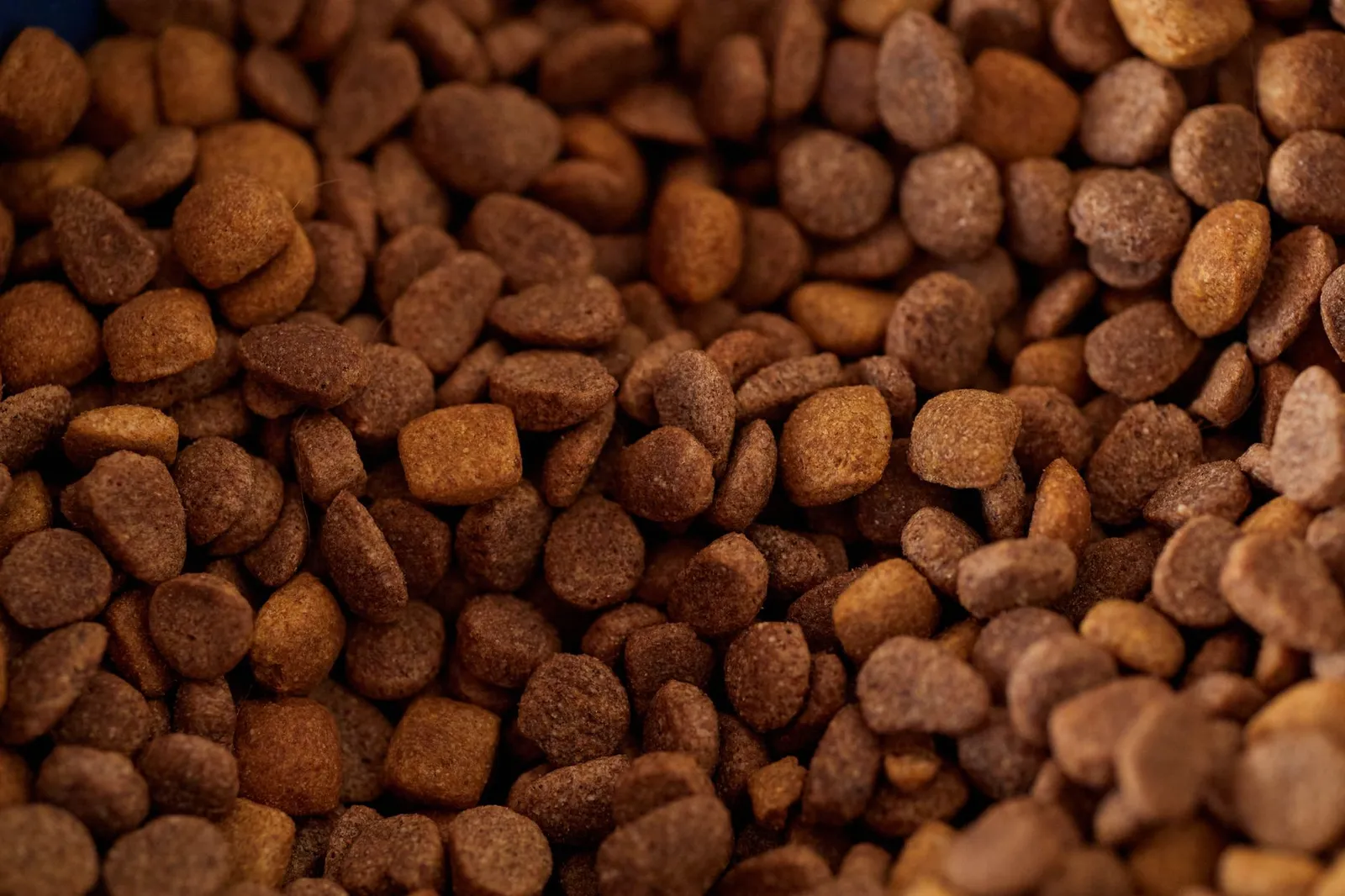
Dry dog food wins on shelf life and dog food price per day. A medium dog might run through ₹1,500–₹3,000/month on mid-range kibble depending on brand and appetite — less than most fresh subscriptions at full portion size. Kibble also works for free-feeding setups, though I prefer measured meals twice a day so weight stays visible.
Wet food adds moisture and palatability. Useful for seniors who drink less, picky eaters during a transition, or hot summers when appetite dips. Cost per calorie is usually higher, and open tins do not sit in a Mumbai kitchen for long without trouble.
Fresh and ready-to-eat meals — including what we make at Sploot — sit between the two on moisture and palatability. Chonky Chicken trial packs start at ₹99 for 100 g if you want to test whether your dog prefers real meat texture before committing to a subscription. Sriracha, our in-house test dog, moved off kibble for most meals once we had formulations we trusted — but she is one dog, and plenty of dogs do fine on dry food for life.
Mixing is fine if the maths still works: kibble as the base complete diet, wet or fresh as a topper within the daily calorie target — not an extra bowl on top of a full portion. Dogs are very good at holding out for the tasty bit if you train them to.
Active dog food and life stage beat brand hype every time
Active dog food — sometimes labelled performance or high-energy — carries more fat and calories per cup. That suits working breeds, dogs on long daily runs, or skinny athletes who burn through maintenance formulas. It is the wrong choice for a couch-adjacent indie in a Gurgaon flat who already carries extra weight.
Nine times out of ten, the life stage on the bag matters more than the photo of the wolf on the packaging. Puppies need growth food. Adults need maintenance. Seniors often benefit from lower calories and joint support — your vet may suggest a prescription line if kidney or liver issues appear.
Breed size matters too. Large-breed puppy kibble controls calcium so bones do not grow too fast. Small-breed kibble uses smaller pieces and higher calorie density per bite — a Chihuahua should not work through kibble sized for a Labrador.
If your dog itches, has chronic loose stools, or licks paws constantly on their current kibble, talk to your vet before you chase the next bag. Food sensitivity is real — our hypoallergenic dog food post covers elimination basics — but so are environmental triggers and infections. Swapping protein without a plan often wastes money.
Vegetarian households sometimes ask about plant-based lines. If that is your constraint, read our veg dog food post — dogs can live on formulated vegetarian diets, but DIY dal-and-rice is not the same thing.
How much kibble to feed and whether a 20kg bag saves you money
Every bag includes a chart: body weight on one axis, daily grams on the other. Start in the middle of the range for your dog's current weight, then adjust by body condition. Ribs should be easy to feel with light pressure, not sharp under the fur.
A medium dog around 15 kg on a typical adult kibble might eat 250–350 g per day depending on brand calorie density. A 20kg bag at 300 g/day lasts roughly 66 days — about two months. A 3 kg bag lasts a week. The per-kg dog food price on the 20kg sack is usually lower, but only if you finish it before the fat goes rancid.
That last part matters in India. If you have one small dog, a 20kg bag saved ₹400 on paper but lost half to heat and ants by month three — you did not save anything. Multi-dog households and large breeds are where bulk buying actually wins.
Use a kitchen scale for one week. Cup scoops lie — especially with different kibble shapes. Once you know your dog's gram count, the scoop becomes a shortcut.
Puppies eat more per kilogram of body weight than adults but in smaller stomach loads — see our puppy dog food guide for meal frequency. Seniors often need less total food as metabolism slows — drop portions before you switch to a senior bag unless your vet says otherwise.
Store kibble so Indian heat and monsoon do not ruin the bag
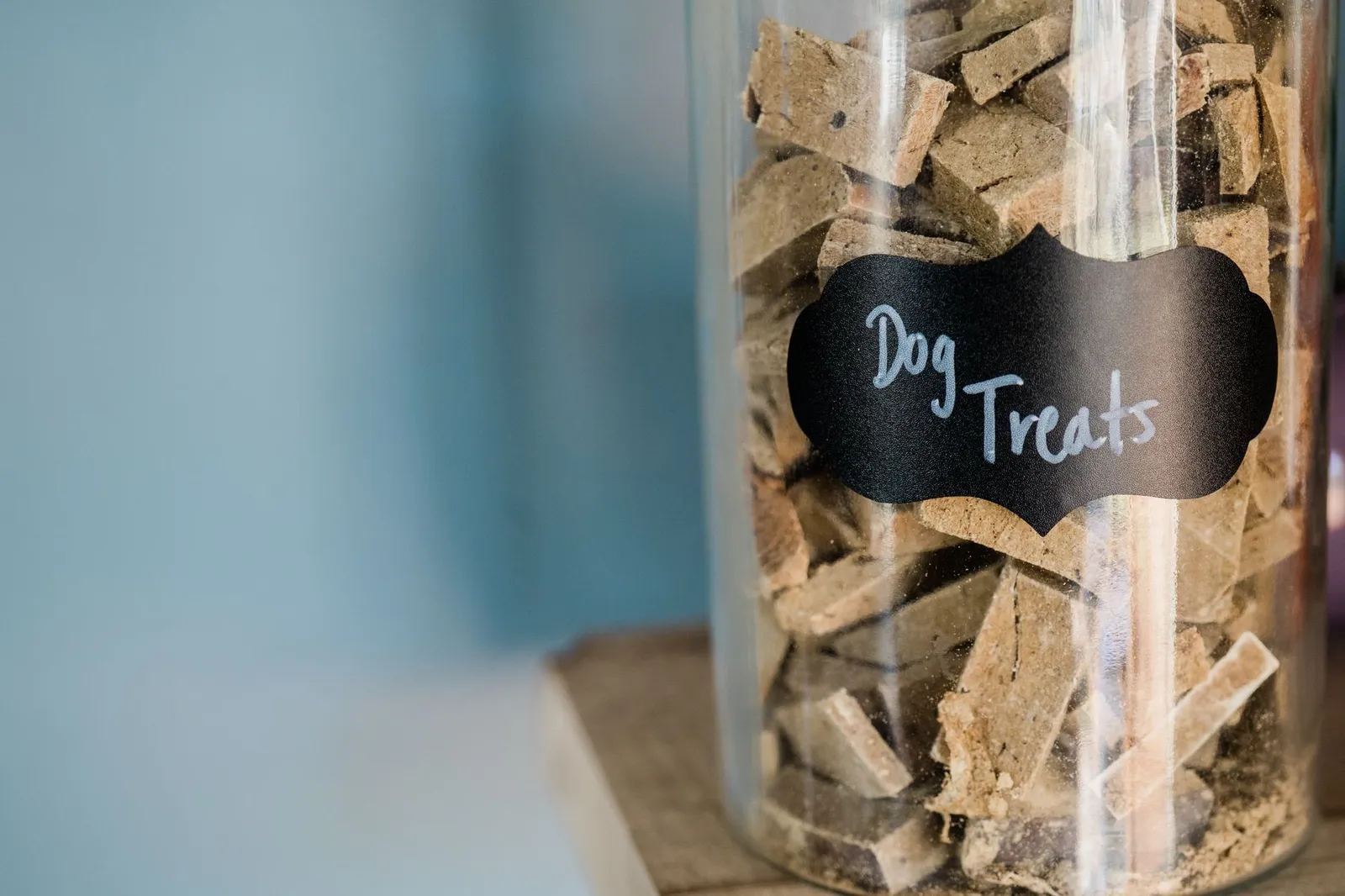
Kibble fat oxidises in heat. Monsoon humidity clumps pellets and invites mould. A bag sitting open beside the washing machine is a slow way to waste food.
Transfer kibble to an airtight container once you open the bag. Keep the original label or cut out the batch code — if there is a recall, you want to know which bag you bought. Store the container off the floor, away from direct sun and the gas stove.
In peak summer, a cool dry pantry beats a balcony storage unit. If the kibble smells sharp, rancid, or like paint thinner, discard it — do not push through because the bag was expensive.
Opened bags generally keep four to six weeks in Indian apartment conditions if sealed well. Bigger bags mean tighter discipline on closing the lid every single time. Ant powder near the container is not a storage strategy.
When kibble is the wrong answer — and Sploot is not either
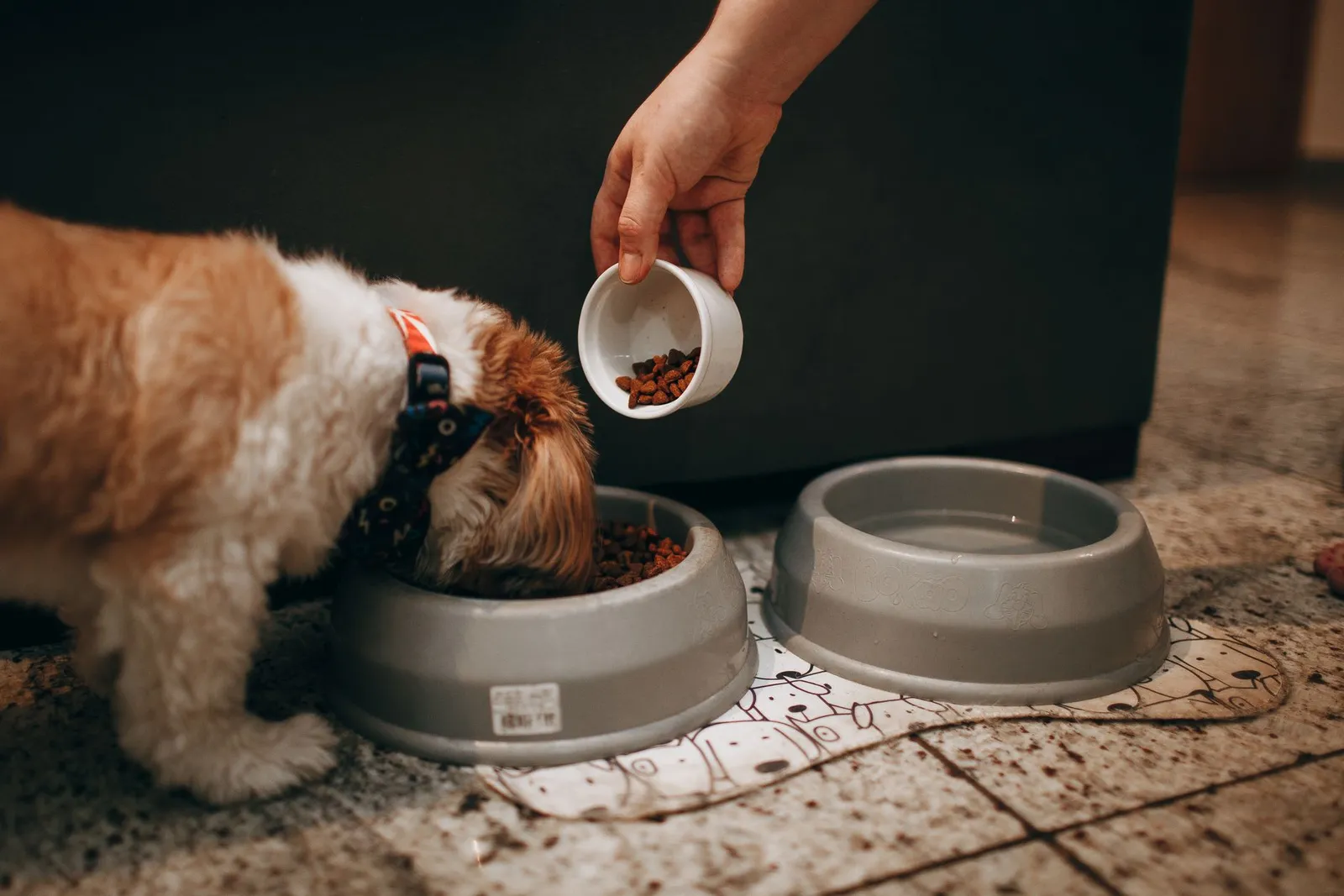
Kibble fails when the problem is medical. Two days of no eating, blood in stool, sudden weight loss, or repeated vomiting — vet first, not a new flavour.
It also fails when the dog genuinely cannot chew — severe dental disease, jaw injury — or when a vet prescribes a therapeutic wet or prescription diet that kibble cannot replace.
If the issue is pickiness after you added table scraps, the fix is usually boring consistency: measured meals, same time, no paratha handouts for a week — not another brand with a louder ad.
Sploot ready-to-eat meals are an option when you want formulated fresh food without cooking the maths yourself — Chonky Chicken at ₹2,970 for 100 g × Pack of 30 is the everyday entry for a small dog on our feeding guide. We will not push it on a dog thriving on kibble you already bought in bulk. Nutrition is not a loyalty test.
When home-cooked is your preference, balance it properly or accept that kibble or formulated fresh fills the gaps. Vet first when symptoms show up; formulation second when you are planning meals.
If you are still comparing formats, book a trial on sploot.space or keep the kibble that works. Your dog's coat and energy over eight weeks beat any bag art.
Straight answers
What is kibble dog food?
Kibble dog food is dry, cooked dog food shaped into small pieces. It is the same category as dry dog food — extruded or baked pellets sold in bags, formulated to be a complete diet when the label says so.
Is kibble good for dogs every day?
Yes, if the label is complete and balanced for your dog's life stage and you store it properly. Dogs have lived on dry food for decades. Quality and portion matter more than the format. The WSAVA global nutrition guidelines emphasise choosing a complete diet appropriate for the individual dog — not chasing trends.
What is the difference between kibble and dry dog food?
Nothing meaningful — the terms are used interchangeably in India. Both mean bagged dry pellets, as opposed to wet canned food or fresh meals.
How much kibble should I feed my dog?
Use the chart on your bag for your dog's weight, then adjust by body condition. Most adult medium dogs land between 200 g and 350 g per day depending on brand and activity. Weigh food for one week instead of guessing with a cup.
How long does a 20kg bag of dog food last?
Divide 20,000 g by your dog's daily gram intake. At 300 g per day, roughly 66 days for one dog. Multi-dog homes go through it faster — single small dogs often do better with smaller bags to avoid spoilage.
Which kibble dog food brands work in India?
Brands with clear protein sources, complete-and-balanced labelling, and a formula matched to your dog's size and age. Our best dog food in India post compares common options — Drools, Pedigree, Royal Canin, Farmina, and others — without pretending one bag fits every dog.
How do I switch my dog to a new kibble?
Mix old and new over seven to ten days — start with mostly old food, shift the ratio daily. Sudden swaps cause loose stools even when the new food is fine. If vomiting or refusal lasts more than two days, stop and call your vet.
Can I mix kibble with rice or home food?
You can, but the bowl still needs to meet nutritional requirements. Random rice and chicken on top of full kibble portions usually overfeeds calories and underfeeds balance. If home food is more than a small topper, work with your vet or use a formulated base diet.
If your dog is on kibble and doing well, keep the scoop honest and the lid sealed — that is most of the job. If you want to try fresh without the kitchen maths, Sploot trial packs start at ₹99 on sploot.space. I will not judge the bag already in your pantry.