
In this post: per-shot costs — vaccine price list — puppy series total — adult boosters — what changes the bill — core vs optional — aftercare — straight answers
I have sat in enough clinic waiting rooms to know the dog vaccine price is never the only line on the bill. Straight answer — dog vaccination cost in India usually lands around ₹300–₹1,200 per dose at a private clinic, a full puppy series often totals ₹1,800–₹4,500, and adult boosters are cheaper once that first year is done.
This is a budget guide first, schedule second. Sploot does not vaccinate dogs. We do walks and grooming after your vet says the series is on track. Know your vet's number before you need it — that opinion has saved me more panic than any blog post.
Core shots in India usually cost ₹300–₹1,200 each
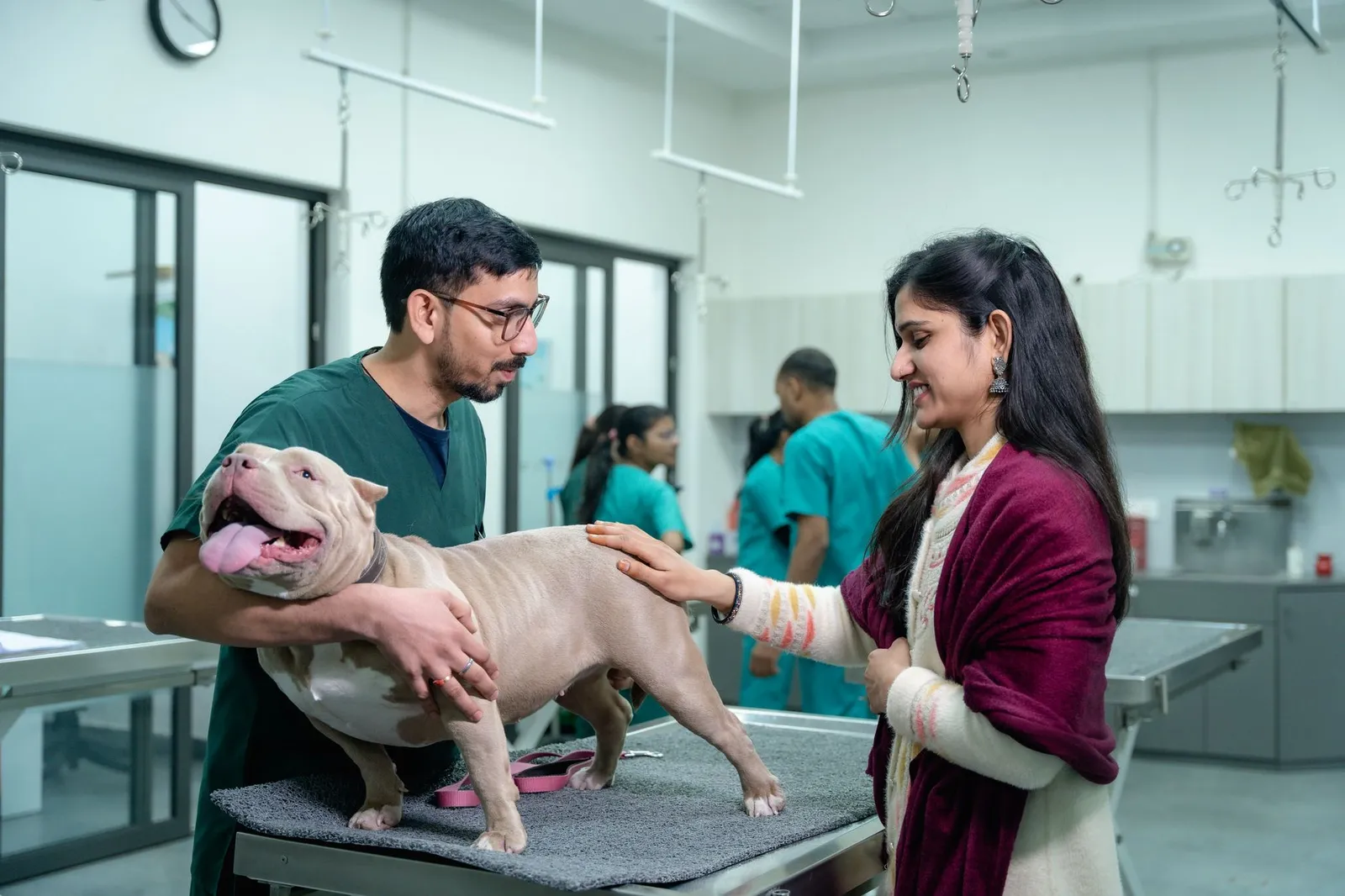
When people search dog injection price, they usually mean the vial plus the visit. The vial alone is often lower than the total you pay at the counter.
Rule of thumb for private clinics in 2026:
- Core combination shots (DHPP or DHPPiL, often called 5-in-1 or 7-in-1): about ₹500–₹1,200 per dose.
- Rabies vaccine cost for dogs: about ₹200–₹500 per dose.
- Consult fee on the same visit: often ₹200–₹700, and it is not always bundled into the shot price.
Government hospitals, municipal drives, and some NGO clinics sit far lower — sometimes free for rabies, or ₹50–₹300 for core vaccines. Ask what brand and certificate you get before you choose on price alone.
Prices move by city and brand. Treat every number here as a planning range, then confirm with your clinic the week you book.
The dog vaccine price list most clinics quote
Here is the dog vaccine price list dog parents in India ask for most often. Approx private-clinic ranges:
- DHPP / DHPPiL (distemper, hepatitis, parvovirus, parainfluenza, often with lepto): ₹500–₹1,200 per dose
- Rabies: ₹200–₹500 per dose
- Leptospirosis if billed separately: ₹150–₹400 per dose
- Bordetella (kennel cough): ₹500–₹900 per dose
- Canine influenza where available: ₹700–₹1,200 per dose
Rabies is not optional theatre. India still carries a heavy share of global rabies burden in humans, and the WHO rabies fact sheet is blunt about dogs as the main source of transmission. The certificate also matters for boarding, travel, and many municipal registrations.
If a quote looks unusually cheap, ask what is missing — consult, syringe, brand, or the next booster. The pet industry loves a headline price. Your job is the full visit total.
Keep a simple note on your phone: date, vaccine name, brand, batch if listed, and next due date. Clinics get busy. Your memory of "sometime in March" will not help at boarding check-in.
Puppy vaccination cost is a series, not one bill
Puppy vaccination cost is where first-time parents get surprised. You are buying a series spaced a few weeks apart, not a single appointment.
A common private-clinic pattern (your vet may adjust weeks):
- 6–8 weeks: first DHPPiL
- 10–12 weeks: second DHPPiL
- 14–16 weeks: third DHPPiL
- 12–16 weeks: first rabies (timing depends on the vaccine and local practice)
- Optional: kennel cough before boarding or group classes
Running total for core puppy series at private clinics: often ₹1,800–₹4,500 including typical consults, more in metros if every visit is billed separately. Government pathways can finish the same core protection for a few hundred rupees if you can access them and keep the paperwork.
The AKC puppy vaccination guide is a useful global reference on why boosters are spaced. Your Indian vet still owns the calendar for local disease risk. Deworming often runs alongside the early visits — our puppy deworming guide covers that timeline separately. Food decisions at the same age belong in the puppy dog food guide, not in the vaccine bill.
Until the series is complete, keep social exposure careful. Park greetings can wait. Your living room does not need a viral disease as a housewarming gift.
Carry the vaccination card to every visit. If you switch clinics mid-series, bring the card on day one so the new vet is not guessing which dose you are on. Guesswork is how schedules drift and gaps open.
Adult boosters cost less than the first year
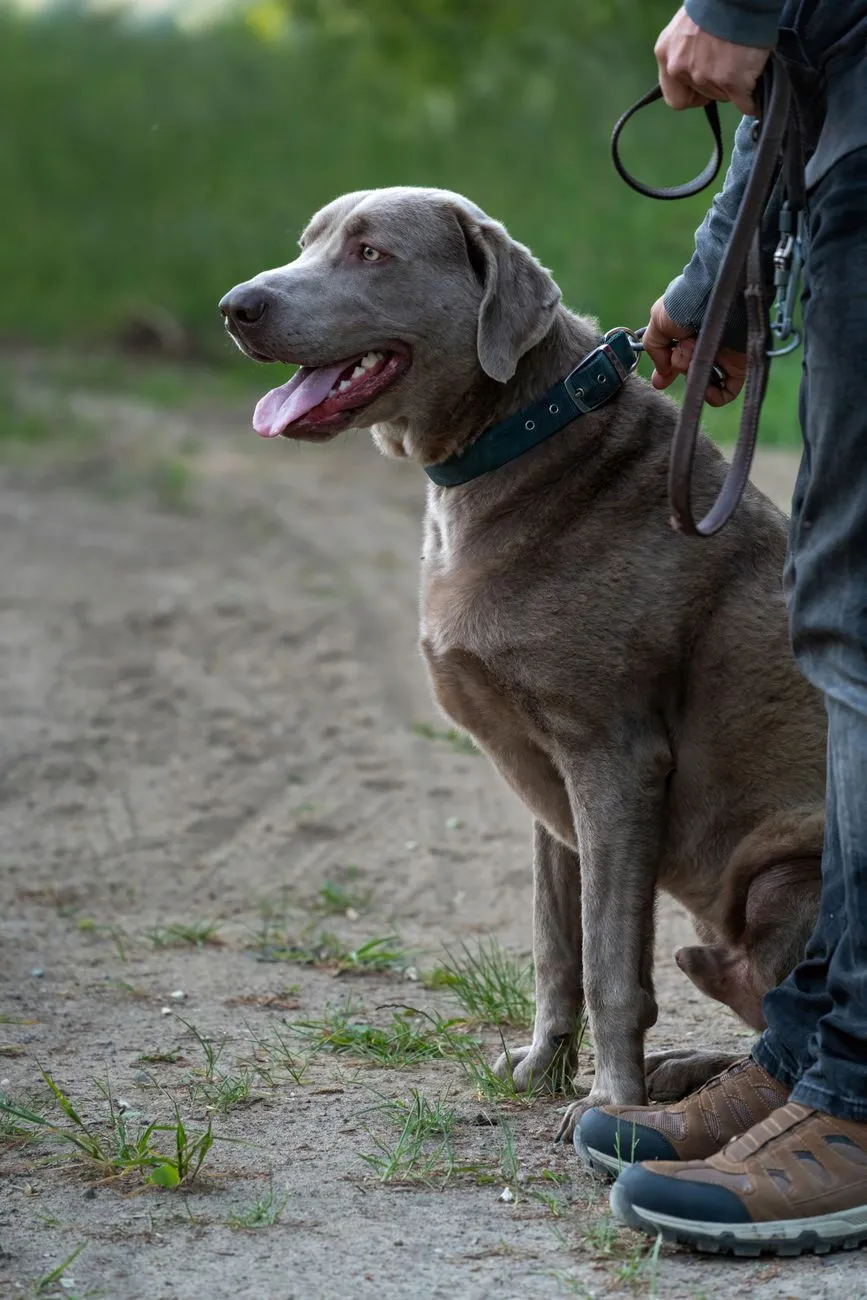
After the puppy year, the maths settles down. Annual DHPPiL plus rabies at a private clinic often lands around ₹800–₹1,800 including a consult, depending on city and brand.
Some core vaccines can stretch to every three years once adult immunity is established. That call is between you and your vet, not a blog table. Lifestyle still matters — boarding dogs may need kennel cough yearly even when core intervals lengthen.
The WSAVA vaccination guidelines are the reference many clinicians use when discussing core vs non-core and booster intervals. For the wider money picture — food, walks, emergencies — see dog parenting costs in India. Vaccines are one predictable line. Parvo treatment is not.
City, clinic type, and brand change the final number
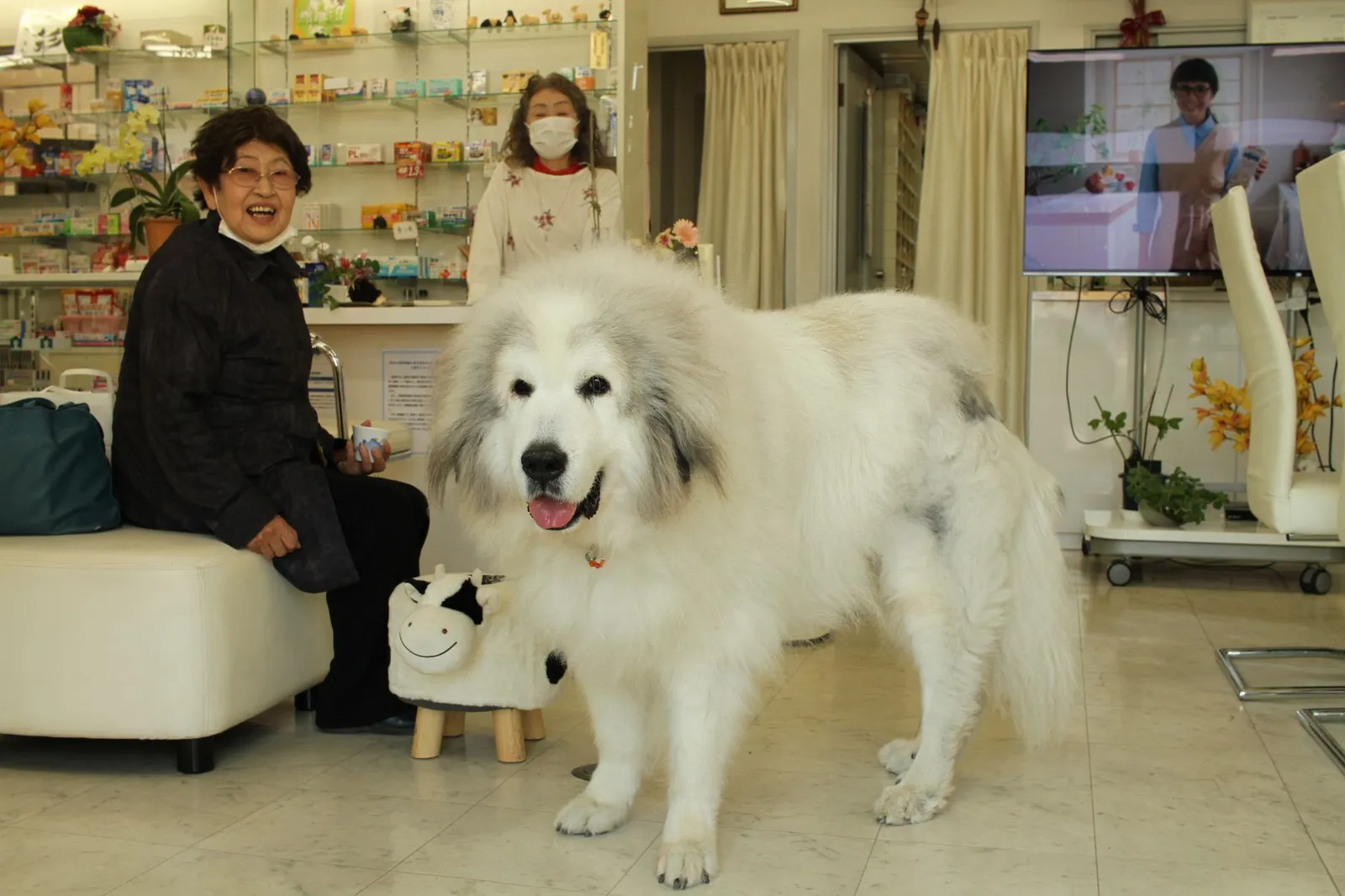
Same vial, different city, different receipt. That is the part most India listicles skip.
Rough private-clinic pattern:
- Metro (Mumbai, Delhi NCR, Bengaluru): puppy series often ₹3,200–₹4,500+, annual boosters ₹1,200–₹1,800+
- Tier-2 cities: puppy series often ₹2,400–₹3,500, annual boosters ₹800–₹1,200
- Smaller towns / govt or NGO pathways: core series can drop to a few hundred rupees, sometimes free rabies campaigns
Imported combo brands sit at the high end. Indian brands can be cheaper with the same core diseases covered — ask your vet which they stock and why. Chain clinics may sell puppy packages that look higher up front and lower per visit once deworming and checkups are bundled.
Ask three questions before you book:
- What is the all-in price for this visit (vaccine + consult + syringe).
- Which brand, and will I get a stamped certificate today.
- When is the next dose due, with a calendar reminder I can keep.
Festival weeks and monsoon months get booked out at popular clinics. Schedule the next booster before you leave the counter. A sticky note on the fridge beats another round of "we will call when we remember."
Core vs non-core: pay for risk, not for every label
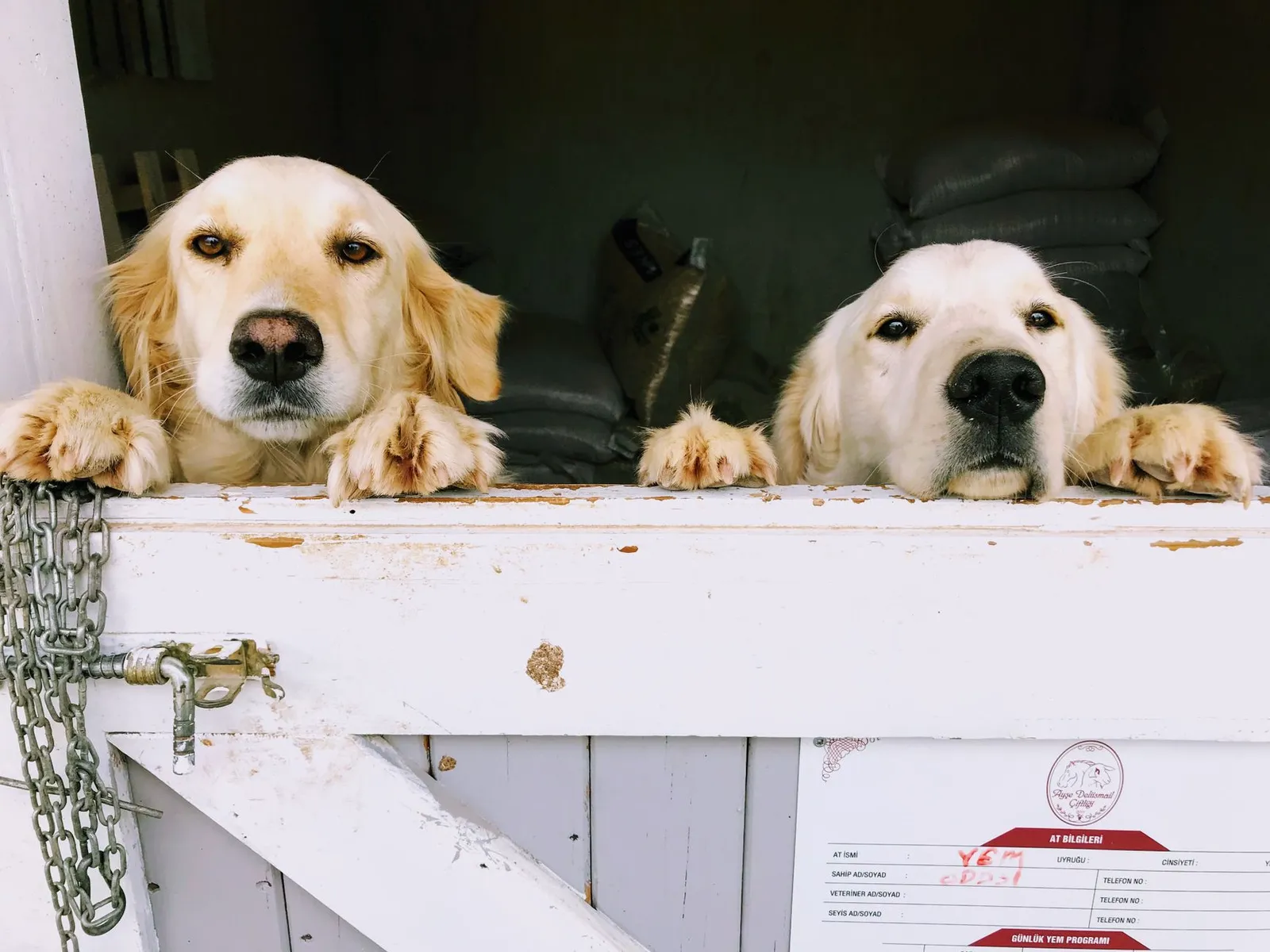
Core vaccines protect against diseases every dog should be shielded from — rabies and the main combination diseases in the DHPP family. Non-core shots follow lifestyle.
Kennel cough (Bordetella) matters if your dog boards, does daycare, or spends hours around many dogs. Leptospirosis risk rises with monsoon water, flooding, and rodent exposure in many Indian cities. Canine influenza is less common on every clinic menu — ask only if your vet sees local need.
You do not need every optional label on a poster. You need the ones that match your street, your monsoon, and your boarding habits. A dog that never boards and barely leaves a quiet colony does not automatically need the same optional menu as a dog in daycare five days a week.
Deworming stays on its own calendar — see the dog deworming schedule so parasites and vaccines do not get mixed into one confused spreadsheet. Same visit is fine. Same mental budget line is not.
Side effects are usually mild — the vet still owns the call
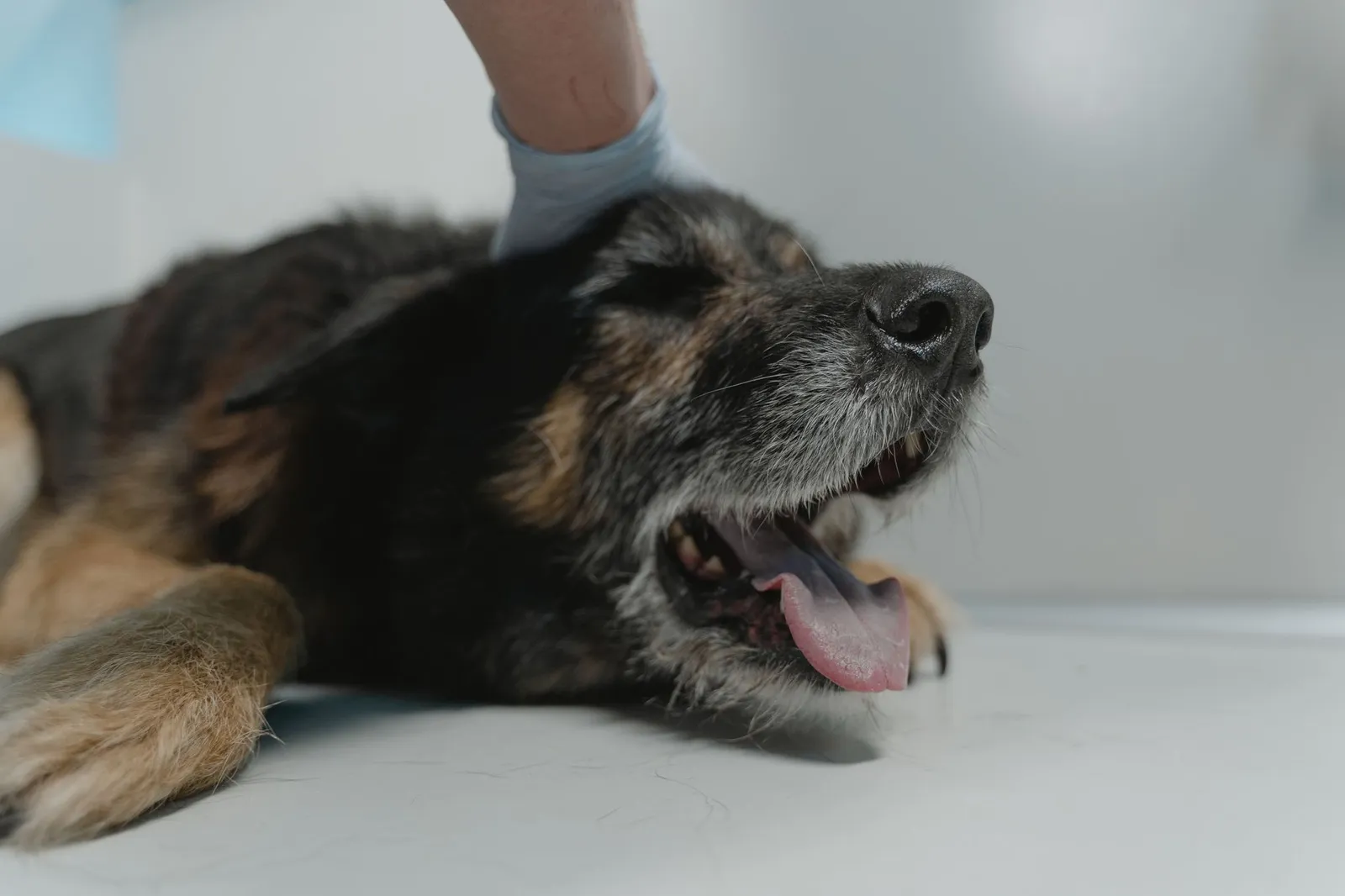
Most dogs feel a bit sore or sleepy for a day. Mild fever or a quiet appetite can show up and settle within 24–48 hours. Rest, water, and a boring evening beat a long walk right after the shot.
Call the clinic the same day if you see facial swelling, vomiting that will not stop, collapse, or breathing trouble. Those are rare. They are also not DIY moments.
This is where Sploot is the wrong answer on purpose. We are not a vet. We will not guess a vaccine reaction over chat. If your dog is unwell, go to the clinic that gave the shot or the nearest emergency vet.
Once your puppy is cleared for normal outings, regular walks matter again. Book dog walking on Sploot when the series allows it — not as a substitute for the next booster. Read the dog walking guide if you are still deciding length and frequency for an apartment dog.
When any of our dogs looked quiet after a clinic day, I cancelled the clever plans and kept the evening boring. The walk can wait twelve hours. The observation window cannot.
Straight answers
How much is a 5-in-1 or 7-in-1 vaccine for dogs?
In India, the combination shot (often sold as 5-in-1 or 7-in-1 / DHPPiL) usually costs about ₹500–₹1,200 per dose at private clinics. The number of diseases covered and the brand drive most of the spread. Confirm whether lepto is included before you compare quotes.
What is the cost of a rabies injection for dogs?
Rabies vaccine cost for dogs is commonly ₹200–₹500 per dose in private clinics. Municipal or NGO drives can be free or near-free. Keep the certificate — boarding and many registrations ask for it.
How much does the full puppy vaccination series cost in India?
Plan ₹1,800–₹4,500 at private clinics for the core puppy series with typical consults. Metros sit toward the top. Government pathways can finish core protection for much less if you can access them and track dates carefully.
Do dogs need vaccines every year?
Many adult dogs get yearly DHPPiL and rabies boosters in Indian practice. Some core vaccines can move to every three years after the adult schedule is set. Your vet should decide based on the product used and your dog's risk — not a fixed rule from a blog.
Is the rabies vaccine mandatory in India?
Rabies vaccination is treated as essential for pet dogs across India, and many cities require proof for registration, travel, or boarding. Skip it and you risk both legal friction and a disease with no clean second chance.
Are government or NGO vaccines safe enough?
Many municipal and NGO programmes use standard veterinary vaccines. Ask which brand they use and take the paperwork home. If the queue is long and the certificate unclear, a private clinic with clear records can be worth the difference for a first-time puppy parent.
What if my dog missed a shot?
Call your vet and restart from where you are — do not invent a catch-up plan from memory. Missed boosters leave gaps. Guessing the gap closed is how preventable diseases still show up.
Do indoor dogs still need vaccines?
Yes. Rabies and parvovirus do not care that your dog mostly sees the sofa. Visitors, balconies, shared lifts, and the occasional escaped walk still create exposure. Indoor is not invisible.
I budget vaccines the same way I budget food — boring, scheduled, and paid before there is a crisis. When the series is done and your dog is cleared for normal walks, we can help with the daily part on sploot.space. The needle part stays with your vet, and that is exactly how it should be.