
In this post: the straight no — why tartaric acid matters — raisins and grape products — signs to watch — what to do now — why there is no safe dose — Indian kitchen traps — when Sploot is not the emergency desk — straight answers
Can Dogs Eat Grapes? No — Toxicity Signs and Next Steps
Can dog eat grapes? No. Grapes and raisins can trigger kidney failure in dogs. Learn the signs, what to do now, and why.

5 Aug 2026 · 4 min read
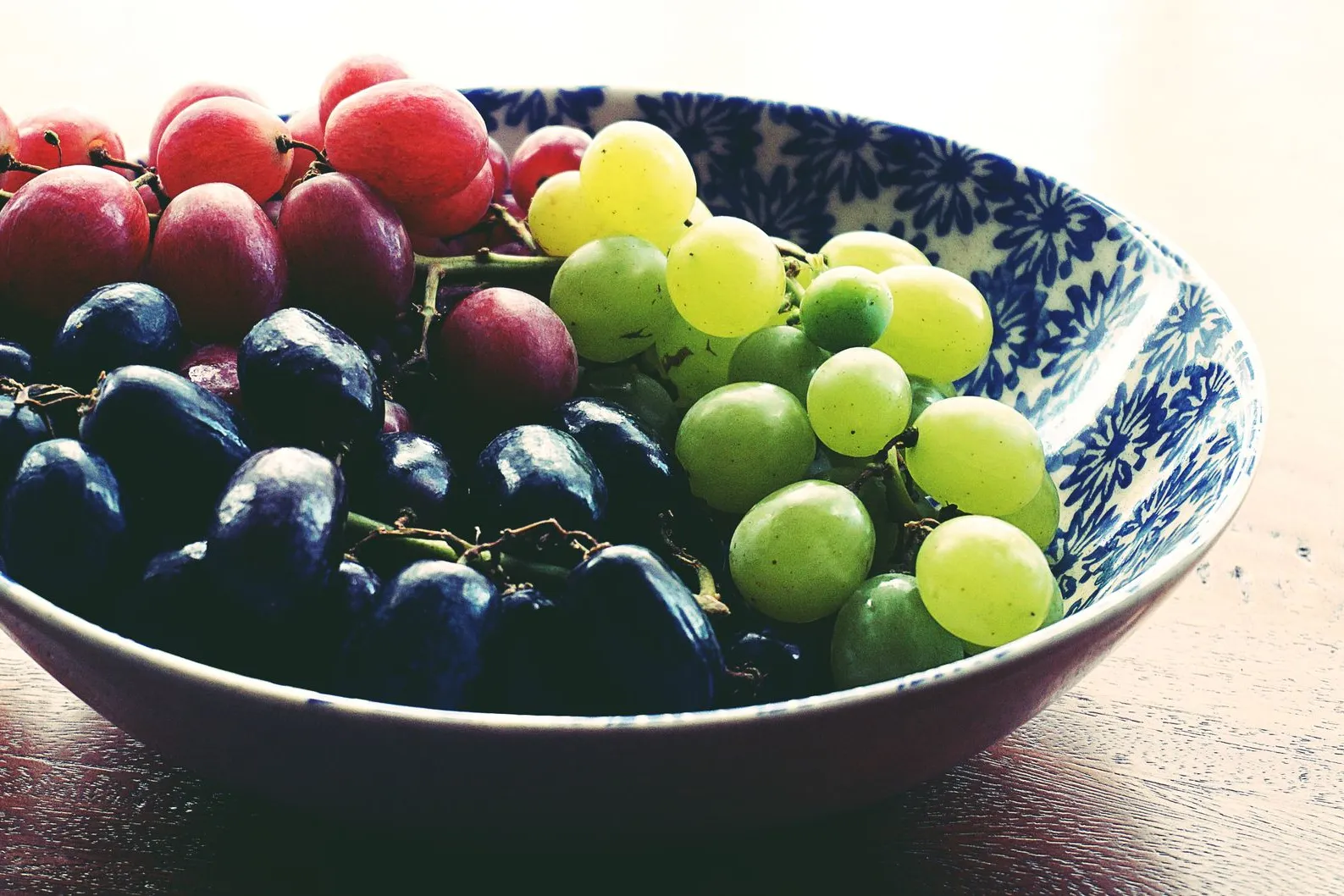
Straight answer — can dog eat grapes. No. Not green. Not black. Not seedless. Not one grape as a "tiny treat."
Grapes and raisins can cause acute kidney injury in dogs. How bad it gets is unpredictable. When in doubt, call your vet — do not wait for a dramatic symptom reel.
No — grapes and raisins are toxic for dogs
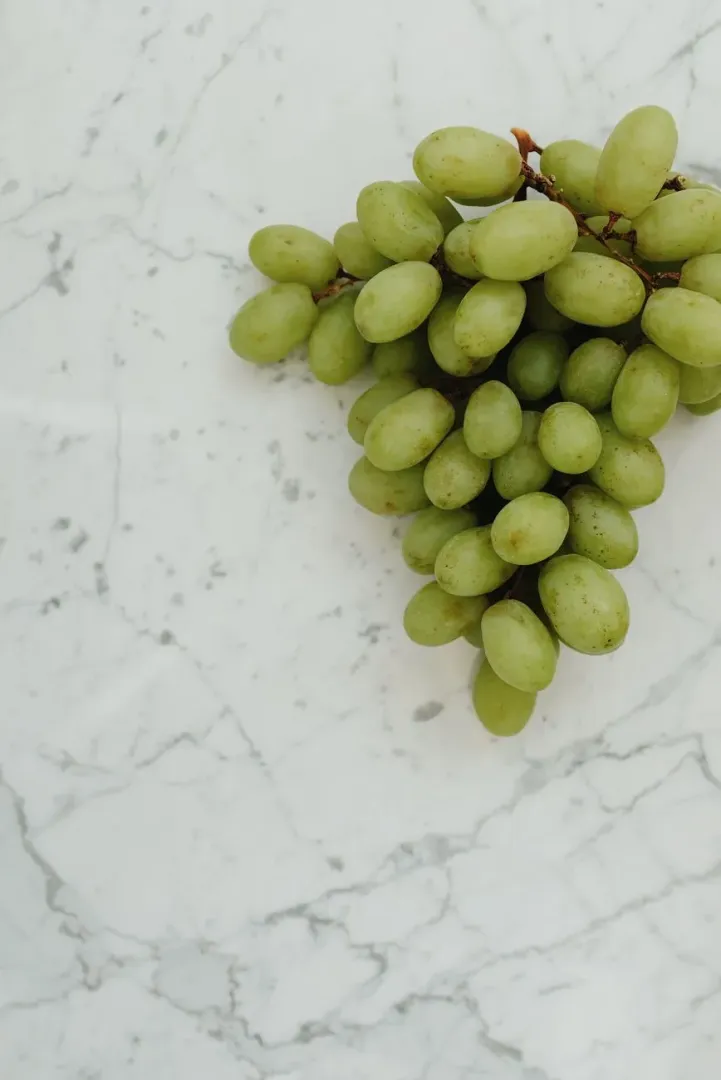
Dogs should not eat grapes. Veterinary explainers such as PetMD on grapes for dogs are blunt: all colours can be toxic, peeled or not, and raisins concentrate the same risk.
Can dog eat grapes if it is only one. Still treat it as a real exposure. There is no reliable safe number. Small dogs have less margin. Some dogs react after tiny amounts. Others seem fine until they are not.
Keep grapes off counters, in closed bags, and out of open fruit bowls. Dogs are better at counter surfing than we pretend.
Why tartaric acid hits canine kidneys
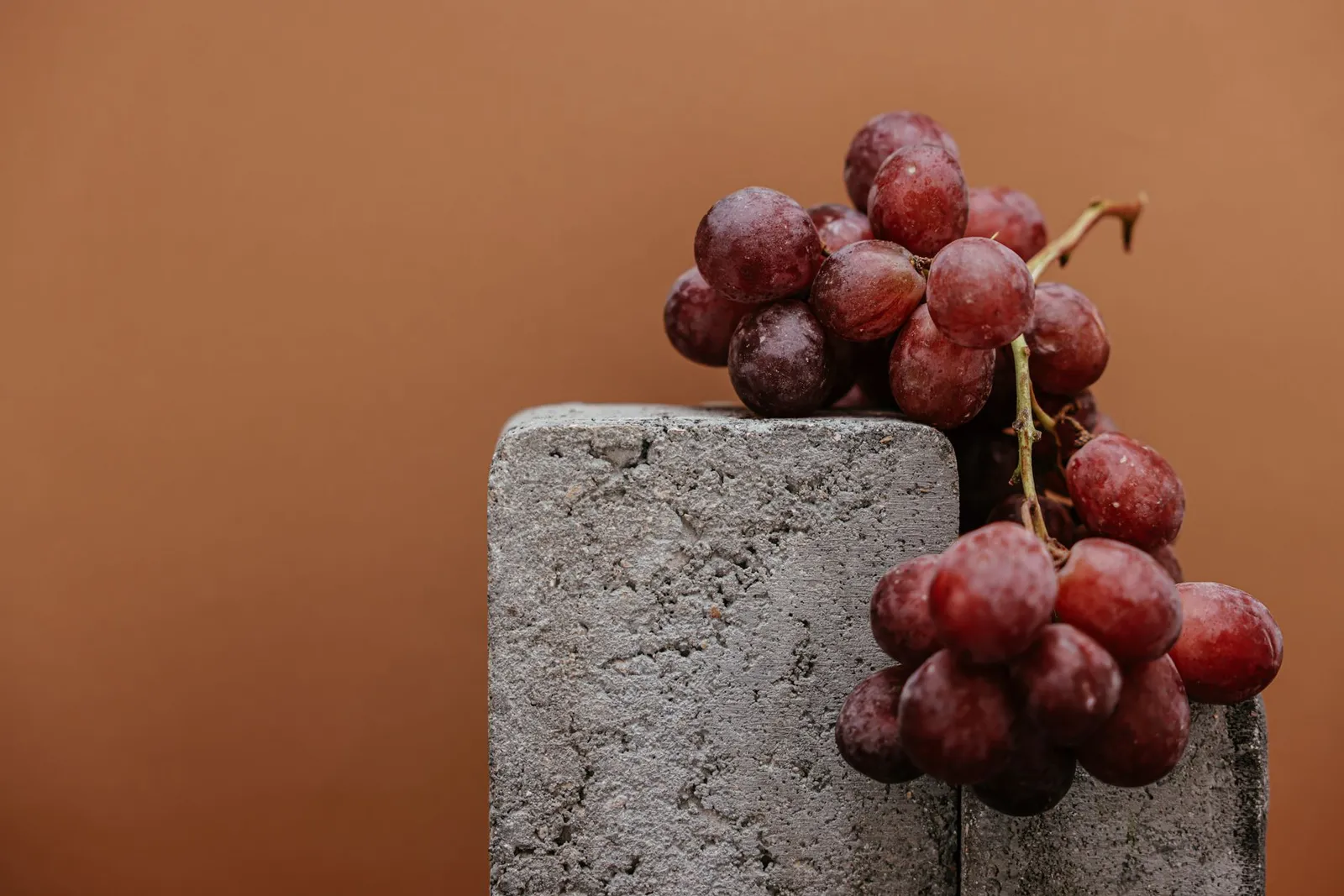
Research now points to tartaric acid as a likely toxin in grapes and raisins. Dogs do not clear certain organic acids well, so levels can build and damage the kidneys.
Not every dog shows the same reaction. That uncertainty is the point. You cannot taste-test safety by offering "just a few." Cornell grape and raisin toxicity notes that any ingestion should be taken seriously because you cannot predict which dog will crash.
Peeled grapes are not a workaround. The concern is in the flesh and skin. Choking on a whole grape is a separate small-dog risk on top of the toxin maths.
Recommended products
Chonky Chimken Dog Food
From ₹99
Punchy Paneer Dog Food
From ₹99
Raisins, currants, and grape products count too
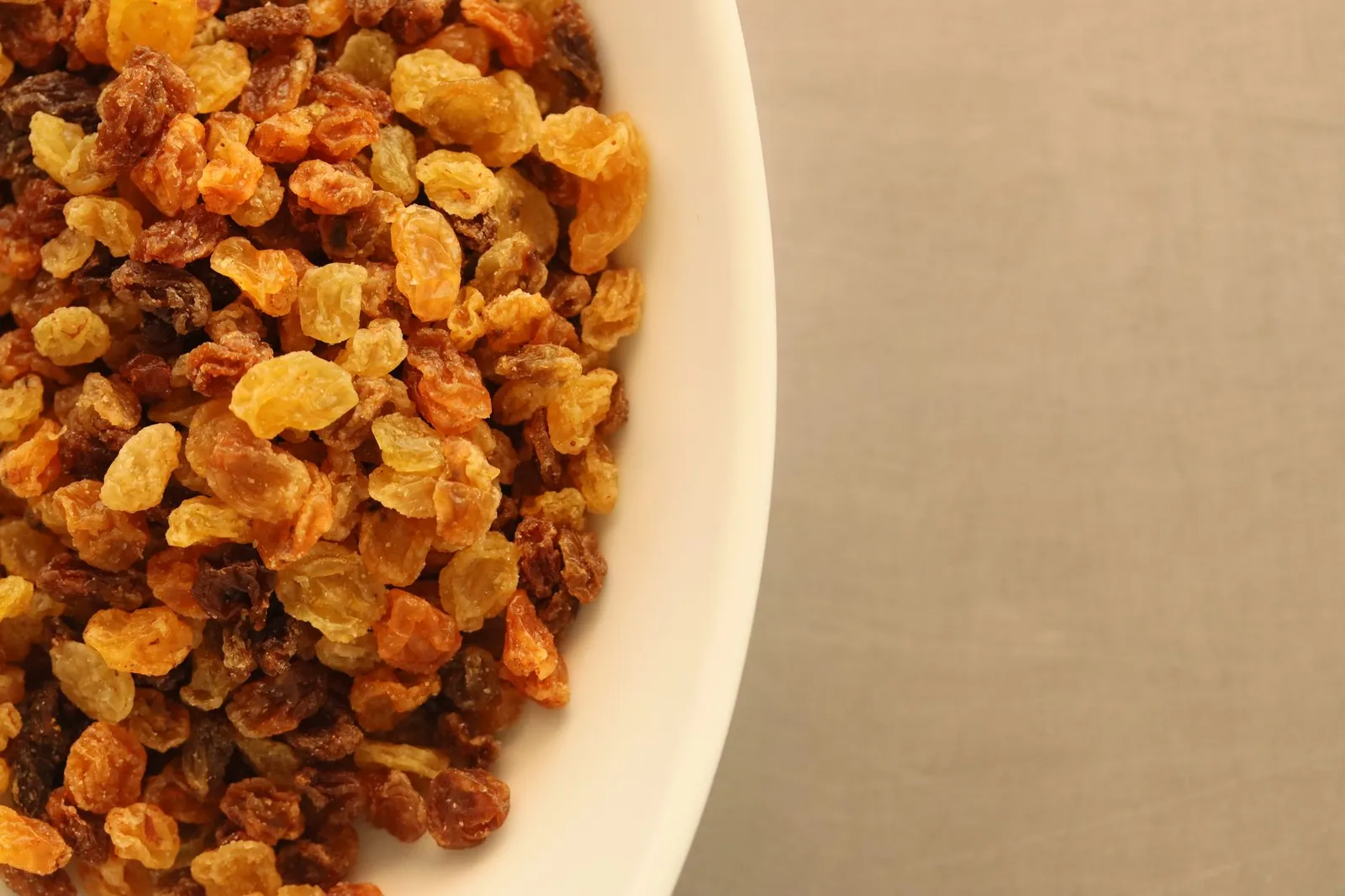
Raisins are dried grapes. The toxin is more concentrated by weight. Kishmish in Indian kitchens, trail mix, cereal toppings, bakery fillings, and "healthy" snack boxes all count.
Zante currants and sultanas are related fruits in the same high-risk group. Grape juice, jelly, jam, and grape-flavoured desserts are not treats either — sugar and leftover fruit solids still land wrong.
Also read Pet Poison Helpline on grapes when you need a clear toxin overview while you are dialling the clinic.
If you are comparing kitchen toxins, our can dogs eat chocolate post covers another common raid. Grapes are not "milder chocolate." Different toxin. Same urgency.
What grape poisoning looks like

Signs often appear within hours and can stretch into the first day or two. Common ones include vomiting, diarrhoea, loss of appetite, lethargy, abdominal pain, increased thirst, changes in urination, and dehydration.
Early on, urination may increase. Later, urine output can drop as kidneys fail. Quietness is not "they slept it off." It can be early kidney trouble.
Do not use the absence of symptoms as proof that everything is fine. Your dog can look okay and still need decontamination and monitoring.
If you are already googling fever meds because they look off, stop — human tablets are a separate danger. Our what can i give my dog for fever post covers that rabbit hole. Grape exposure still belongs on a vet line first.
What to do if your dog already ate grapes
My opinion lands here: know your vet's number now — not at 11pm when the fruit bowl is empty.
Do this:
Note what was eaten — fresh grapes, raisins, or a baked product — and roughly how much.
Note your dog's weight and when it happened.
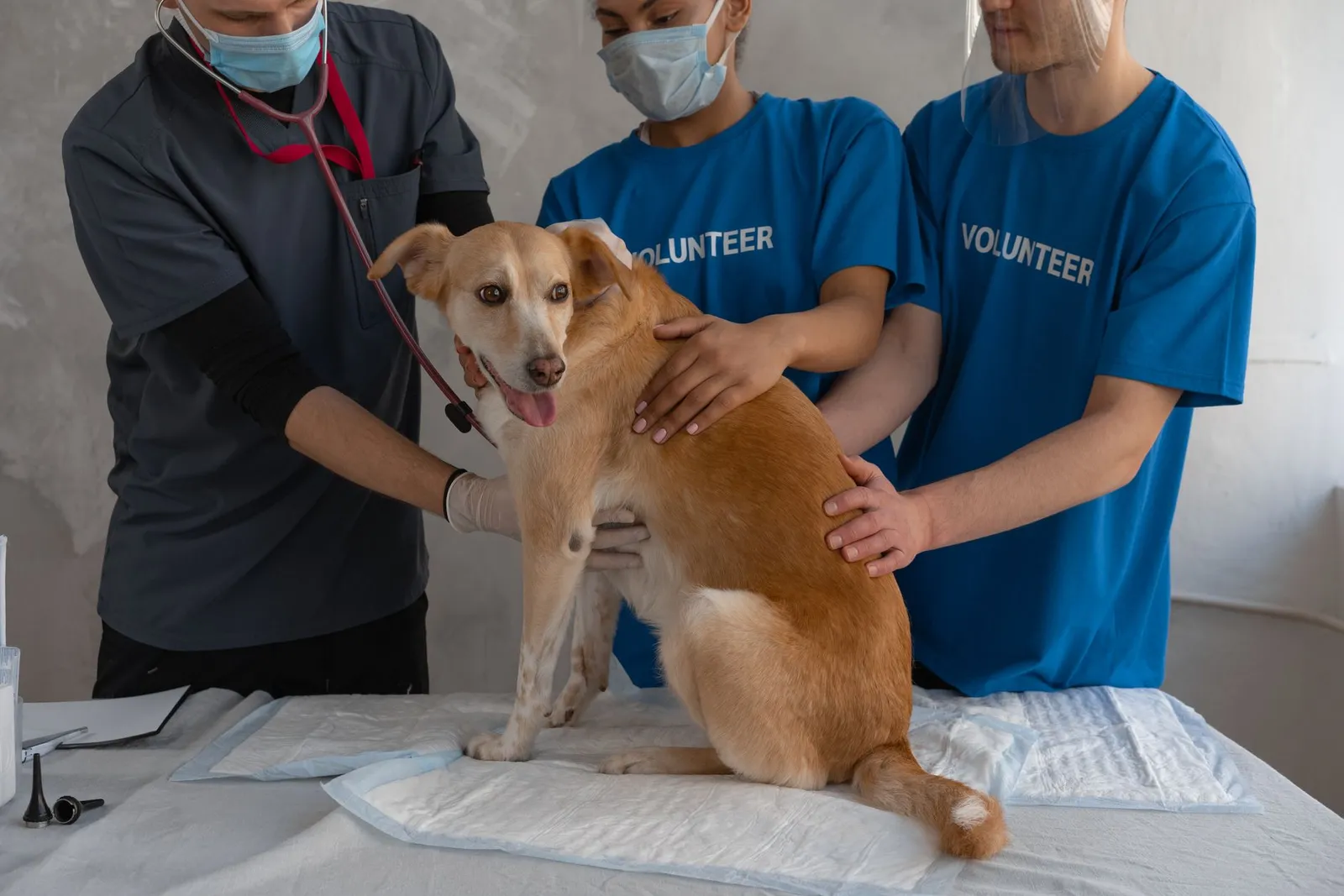
Call your veterinarian or an emergency clinic. Do not induce vomiting at home unless a vet tells you to — aspiration risk is real.
Bring the packet or leftover fruit if you go in. Time to treatment changes options.
Hospital care may include induced vomiting, activated charcoal, IV fluids, and kidney monitoring for a day or more. Prompt care usually means a better outlook.
How much can hurt — there is no safe dose
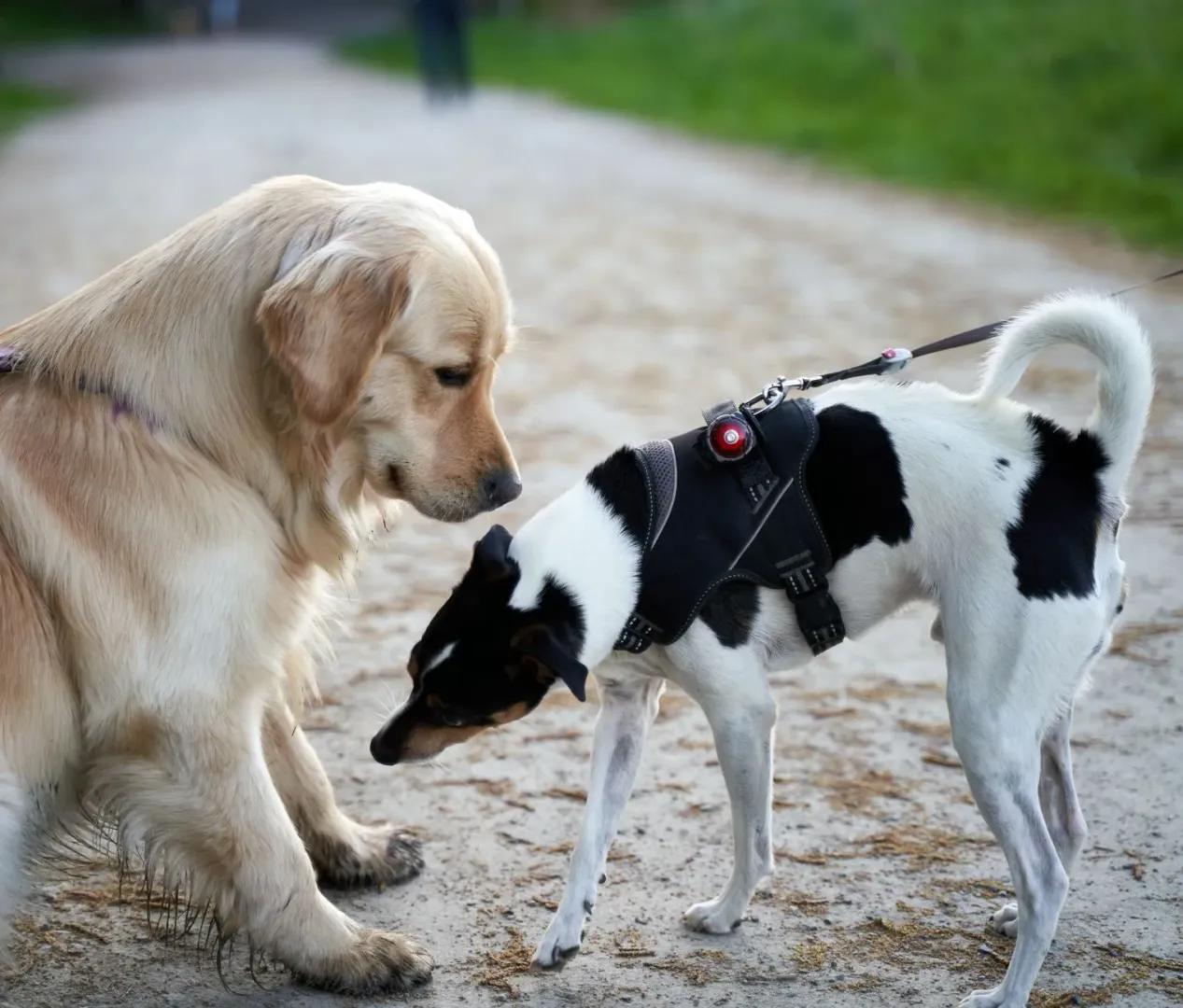
There is no single safe grape. A Pomeranian with three raisins is a different emergency from a Labrador who stole a bunch — and neither is a DIY experiment.
Online calculators can help you describe the exposure. They do not replace a vet. If you are unsure how many disappeared, assume more rather than less and call anyway.
"My dog ate grapes last week and was fine" is not a protocol. Individual sensitivity varies. Prevention is still the only clean plan.
Indian kitchen traps hide in fruit bowls
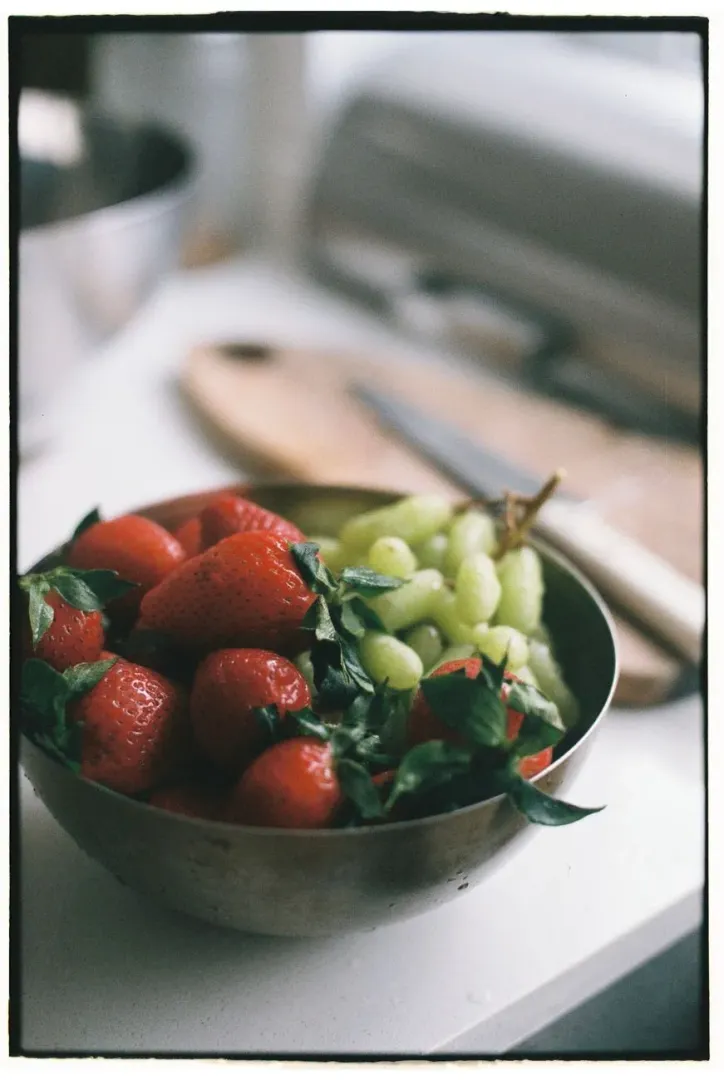
Fresh angur on the dining table. Kishmish in poha, rava ladoo, cakes, and dry-fruit mixes. Guests leaving fruit platters on low tables. Kids sharing "just one." Festival weeks multiply the opportunities.
Prevention beats panic. Gate the kitchen during parties. Store dried fruit high. Tell guests not to share. If you want a safe snack list for ordinary fruit days, our fruits and veggies snacking guide and posts like can dogs eat watermelon cover the non-toxic side of the kitchen.
Everyday meals still matter when life is calm. Our best dog food in India guide is for bowl balance — not for after a grape raid.
Straight answers
Can dog eat grapes?
No. Do not offer grapes as a treat.
Can one grape kill a dog?
It can be enough to cause serious kidney injury in some dogs, especially small ones. Treat any amount as urgent and call your vet.
Can dogs eat green grapes?
No. Green, red, black, and seedless grapes are all off the list.
Can dogs eat raisins or kishmish?
No. Raisins are dried grapes and often more concentrated by weight.
What should I do right now if they ate grapes?
Note type and amount, call your vet or emergency clinic, and do not induce vomiting unless told to.
How long do grape toxicity signs take?
Often within a few hours, with kidney concerns watched over 24 to 48 hours or longer under vet care.
Can dogs eat grape juice or jelly?
No. These can still carry grape risk plus sugar — and sometimes other additives you do not want.
Are seedless grapes safer?
No. Seedlessness does not remove the toxin concern.
I still think the calmest grape plan is boring prevention: fruit bowls up high, kishmish sealed, number saved. If the raid already happened, I would rather you call the vet than refresh a blog. When the emergency is over and you want everyday care handled, Sploot is here for walks, baths, and meals.

FREE GUIDE
Feed your dog right: the complete nutrition guide
Portions, fresh food, treats and what to avoid. Everything about your dog's diet in one free guide.
Read More


Everything your dog needs, in one app.
Track sessions in real time, receive updates, manage bookings, shop essentials and stay connected to your dog's care journey—all from the Sploot app.