Most pet parents don’t notice the exact moment their dog becomes “senior.”
When Should You Switch to Senior Dog Food?
Not sure when to switch your dog to senior food? Learn the signs of ageing in dogs and how to choose the right diet for senior health.

13 Apr 2026 · 2 min read
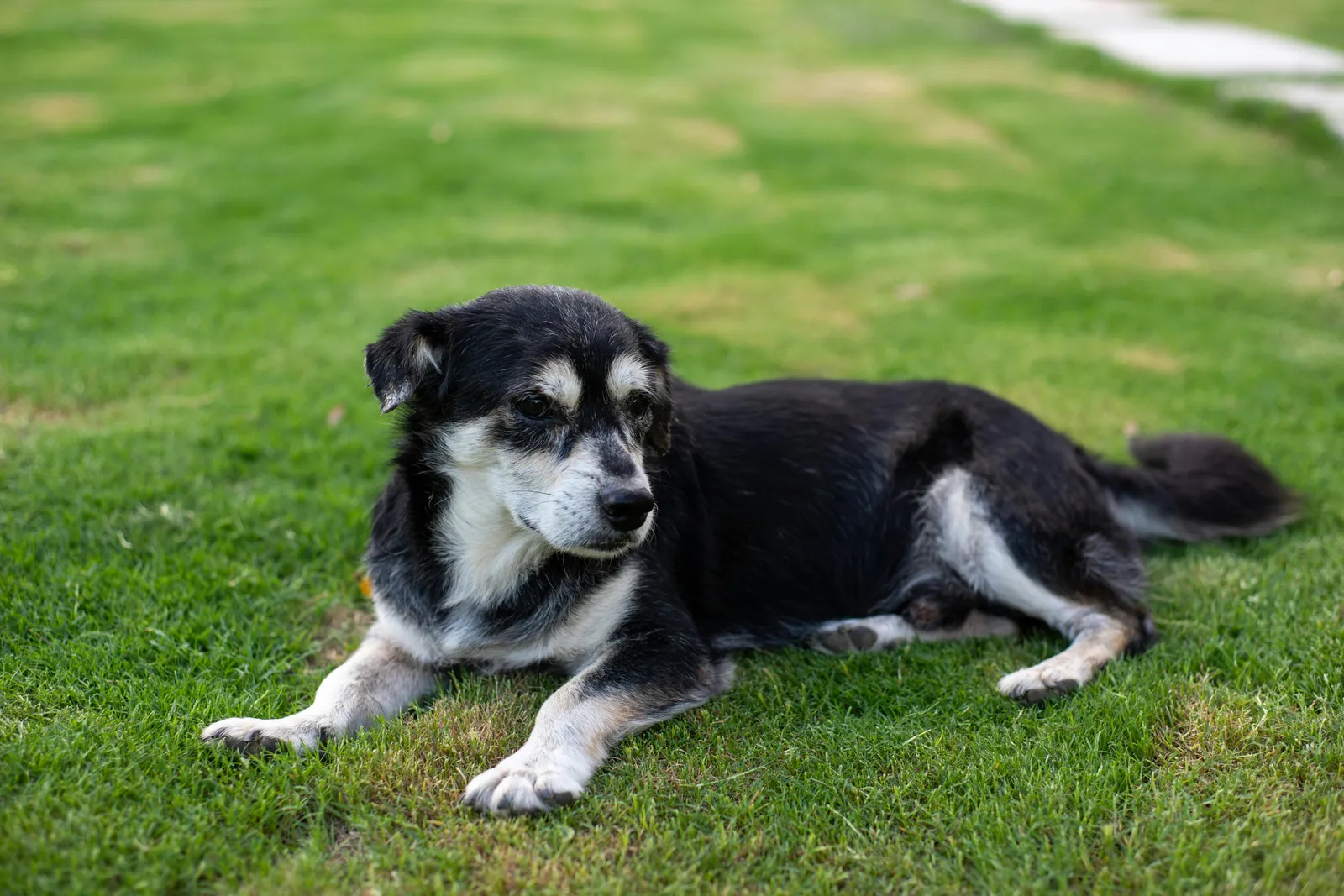
It’s gradual.
Walks get shorter.
Sleep gets longer.
Getting up takes a bit more effort.
So the real question isn’t just “how old is my dog?”
It’s: “are their needs starting to change?”
What Age Is Considered Senior?
It depends on size:
- Small dogs: around 7–8 years
- Medium dogs: around 6–7 years
- Large dogs: around 5–6 years
Larger dogs age faster, which means they often need diet changes earlier.
But age alone isn’t enough to decide.
Signs Your Dog May Need Senior Food
You don’t have to wait for a number. Look for changes like:
- Slowing down on walks
- Stiffness after rest
- Weight gain despite same diet
- Reduced appetite or pickiness
- More frequent digestive issues
- Sleeping more than usual
These are early signals that your dog’s metabolism and body are changing.
Recommended products
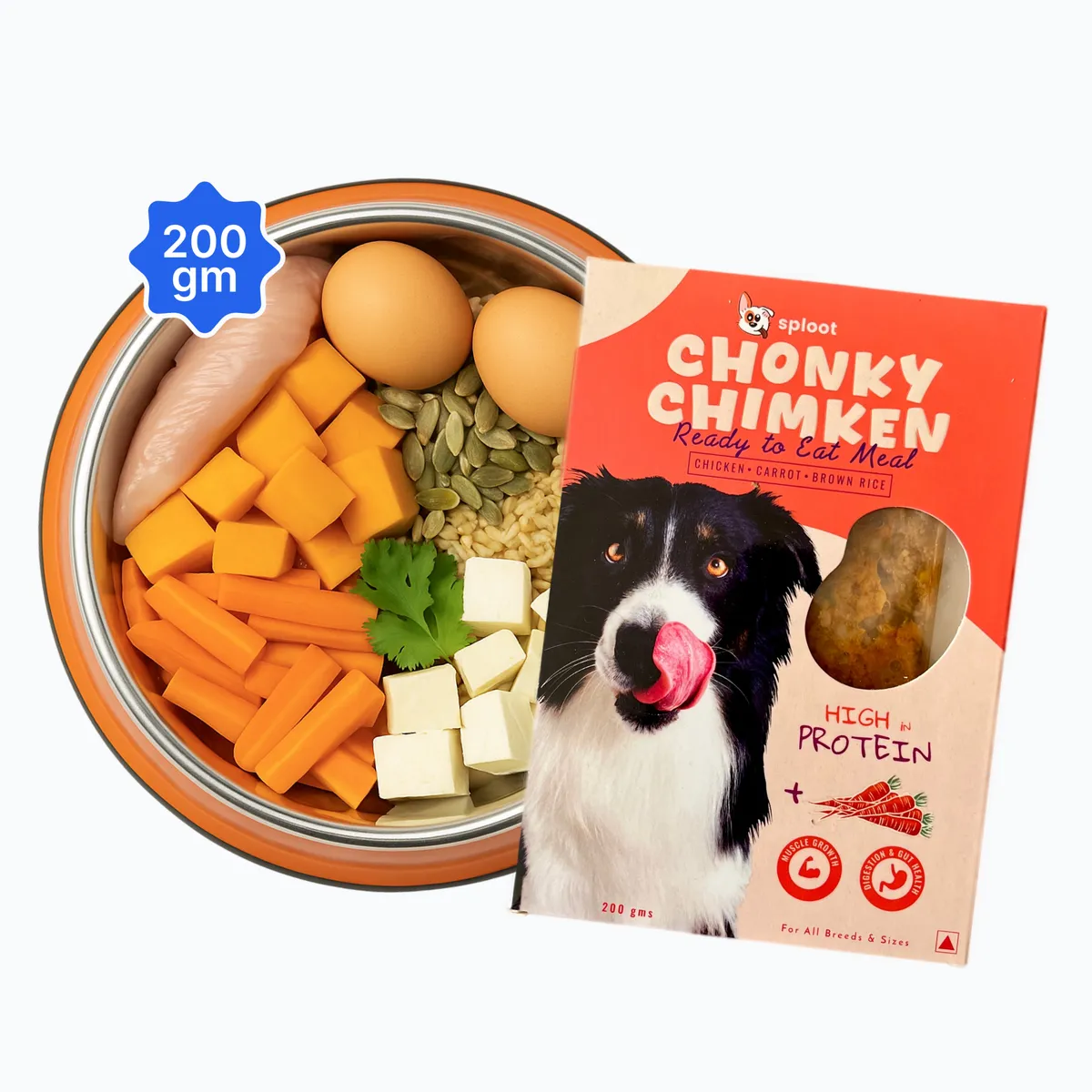
Chonky Chimken Dog Food
From ₹99
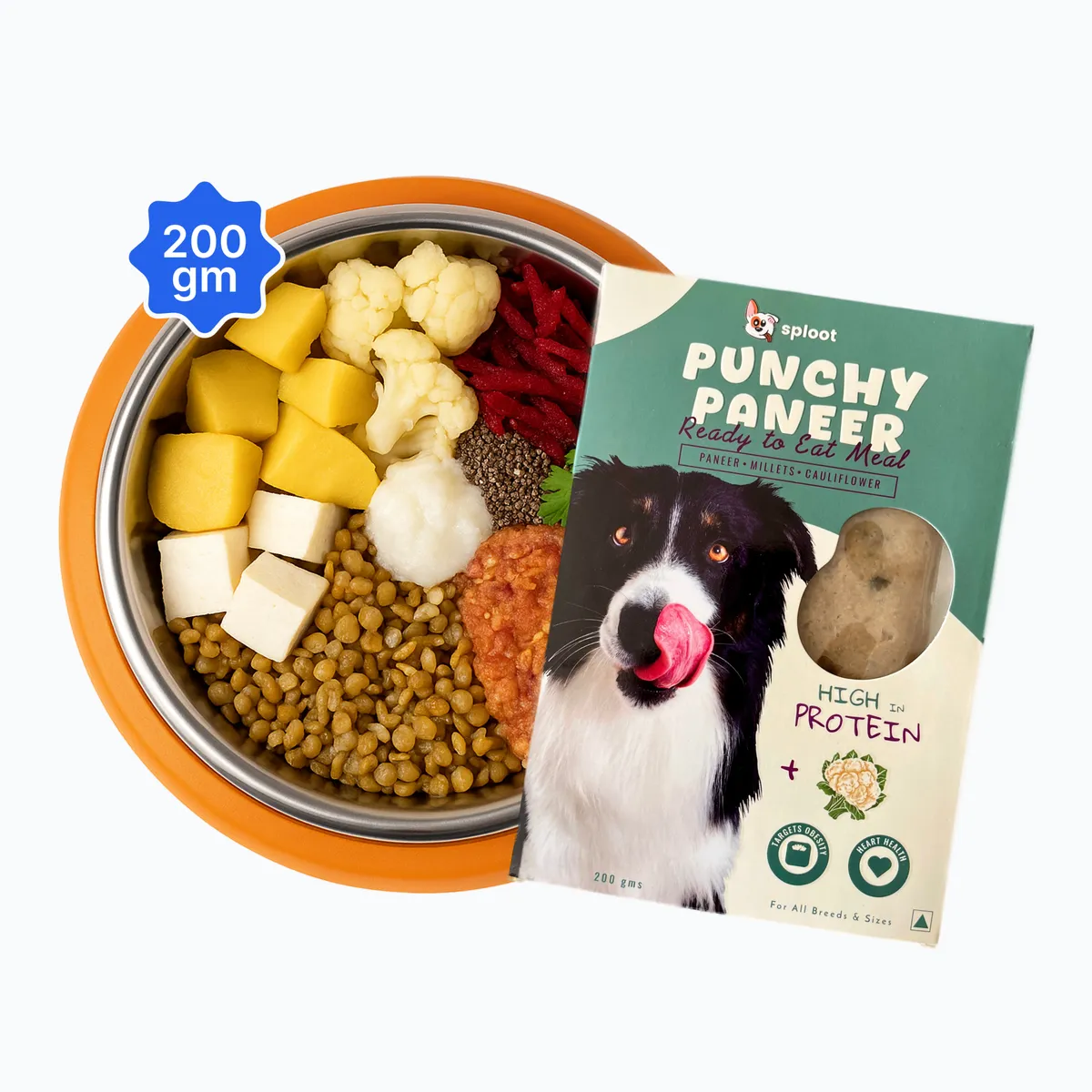
Punchy Paneer Dog Food
From ₹99
Why Switching Food Matters
As dogs age:
- Metabolism slows
- Muscle mass decreases
- Joint wear increases
- Digestion becomes more sensitive
Feeding the same diet as before can lead to:
- Weight gain
- Joint strain
- Poor digestion
- Lower energy levels
The goal isn’t to feed “less.”
It’s to feed smarter.
What Changes in Senior Dog Food?
Senior dog food is designed to match these changes.
Look for:
- Controlled calories → to prevent weight gain
- Easier digestibility → for sensitive stomachs
- High-quality protein → to maintain muscle
- Omega-3 fatty acids → for joint support
- Balanced fibre → for gut health
→ Read: Is Your Senior Dog Slowing Down? The Role of Omega-3 in Mobility

Dry Food vs Fresh Food for Senior Dogs
Both can work — but tolerance matters more than format.
Some senior dogs continue to do fine on dry food.
Others start showing signs like:
- Gas
- Loose stools
- Reduced appetite
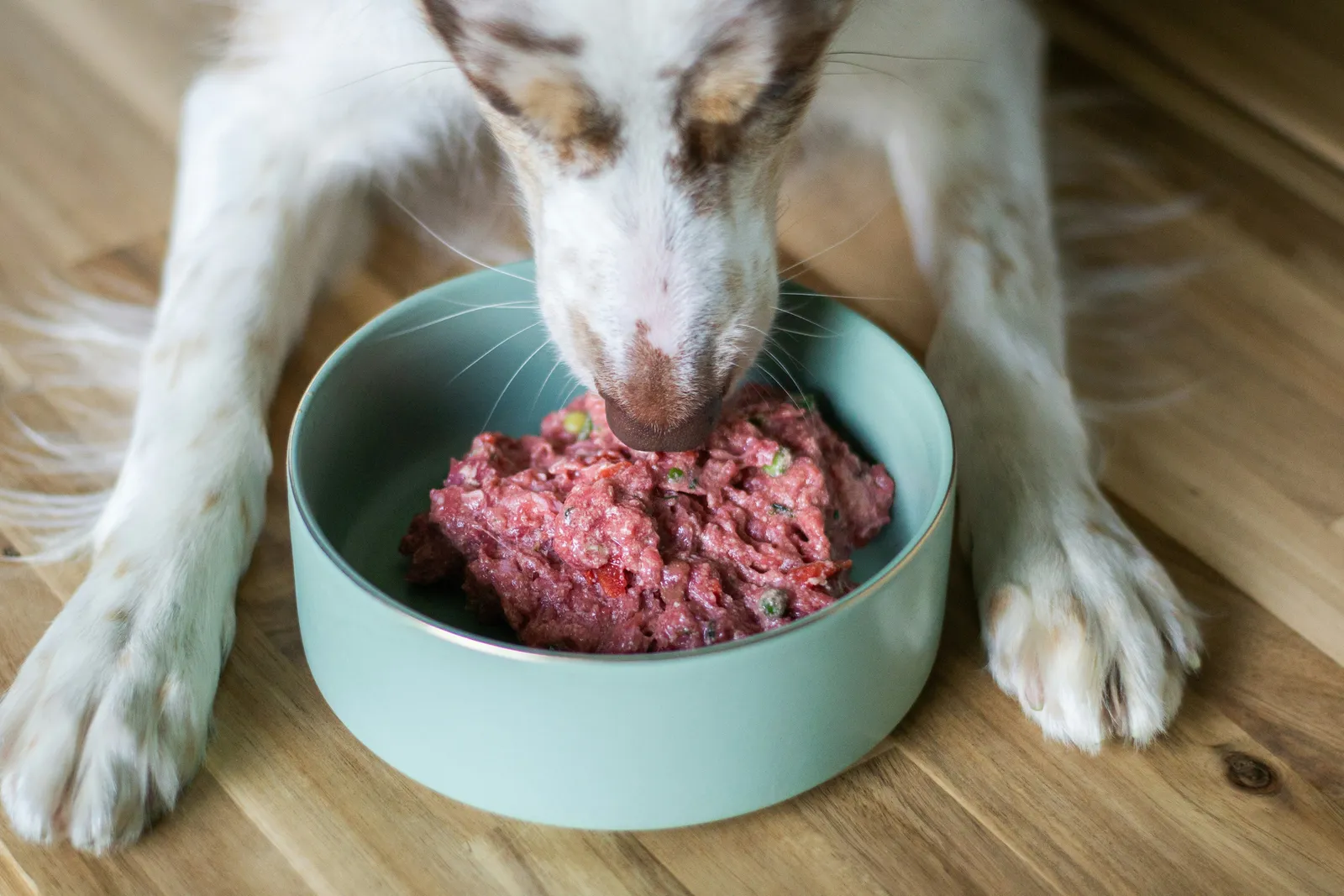
Fresh, minimally processed food is often easier to digest and more appealing, especially for ageing dogs.
→ Read: Fresh Dog Food vs Dry Dog Food
How to Transition to Senior Dog Food
Never switch suddenly.
Follow a gradual transition over 5–7 days:
- Day 1–2: 25% new food
- Day 3–4: 50% new food
- Day 5–6: 75% new food
- Day 7: 100% new food
Watch for:
- Stool consistency
- Appetite
- Energy levels
Adjust slowly if needed.
What Happens If You Don’t Switch?
Some dogs manage fine for a while.
But over time, you may notice:
- Gradual weight gain
- Reduced mobility
- Digestive discomfort
- Lower overall vitality
Nutrition can’t stop ageing — but it can make it easier.
Final Thoughts
There’s no single “right age” to switch to senior dog food.
The right time is when your dog starts showing signs that their body needs something different.
Pay attention. Adjust gradually.
And focus on food that supports comfort, mobility, and long-term health.
Shop this on Sploot
FREE GUIDE
Transitioning your dog to fresh food, a 7 day guide
Get our day-by-day plan for switching your dog to fresh food, delivered straight to your inbox.
Read More


Everything your dog needs, in one app.
Track sessions in real time, receive updates, manage bookings, shop essentials and stay connected to your dog's care journey—all from the Sploot app.