
In this post: not sterile · Capnocytophaga · rabies in India · stricter lick rules · after exposure · when Sploot is not the clinic · straight answers
Straight answer to what diseases can you get from dog saliva: mostly everyday bacteria that stay quiet on intact skin — and, rarely, pathogens that become a medical emergency when saliva meets a wound, eye, or weakened immune system. In India, rabies still sits at the top of that worry list.
Affection is fine. Fantasy hygiene is not.
Dog saliva is not sterile — and mouths are not cleaner than yours
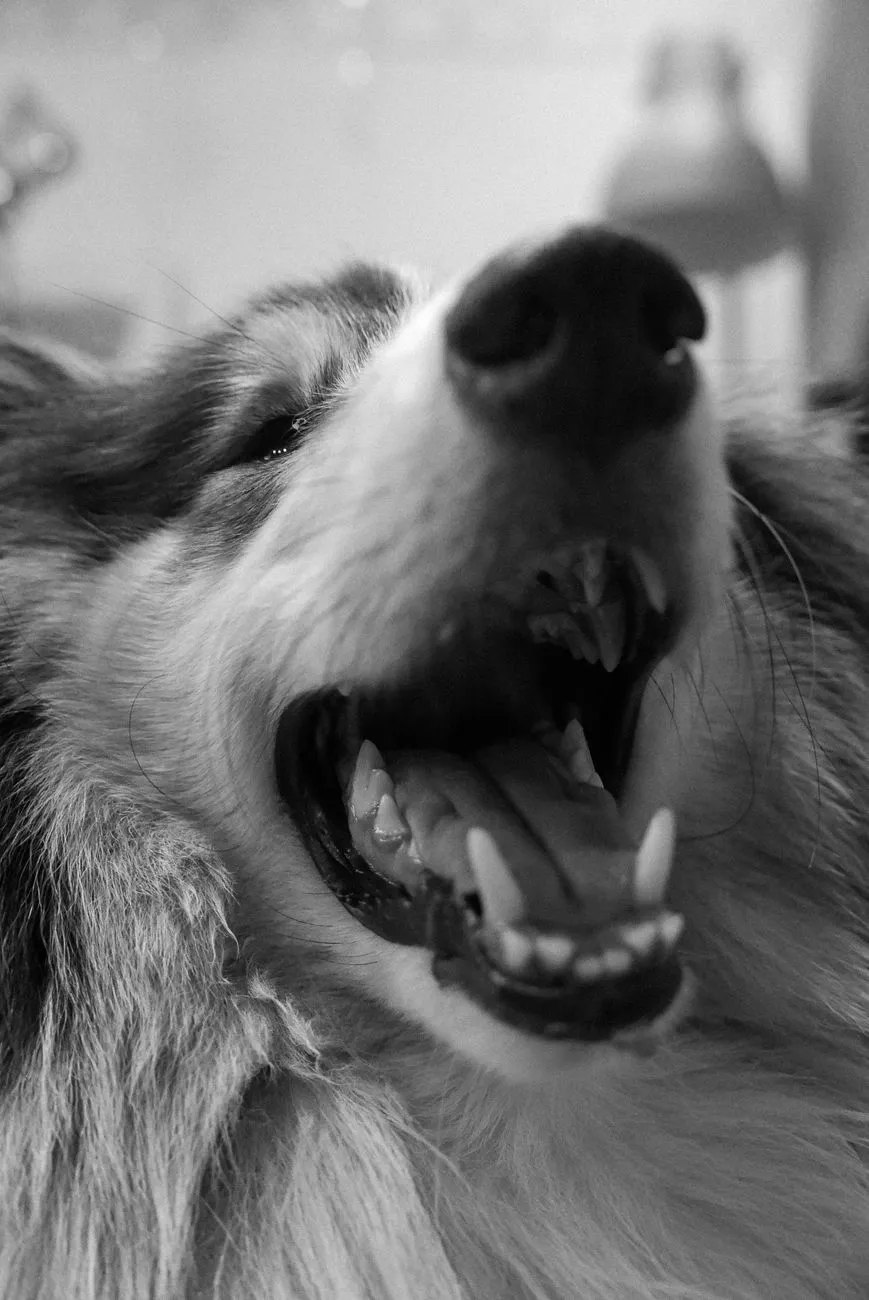
The myth dies hard. A dog's mouth is not cleaner than a human mouth. Species differ. Exposure differs. Dogs explore the world with their teeth and tongue — pavement, sticks, other dogs, the occasional mystery sock.
So when someone asks what diseases can you get from dog saliva, start here: saliva carries bacteria that usually live quietly in a dog's mouth. Most healthy adults who get a casual lick on intact skin stay fine. Risk rises when saliva meets broken skin, eyes, nose, or mouth — or when the person already fights infection poorly.
I still wash my hands after a slobbery greeting. Not because I fear my dog. Because soap is cheap and drama is not.
Think of saliva like kitchen sponge water. Useful in context. Not something you want on a fresh cut.
Capnocytophaga and other bacteria that matter after a lick or bite
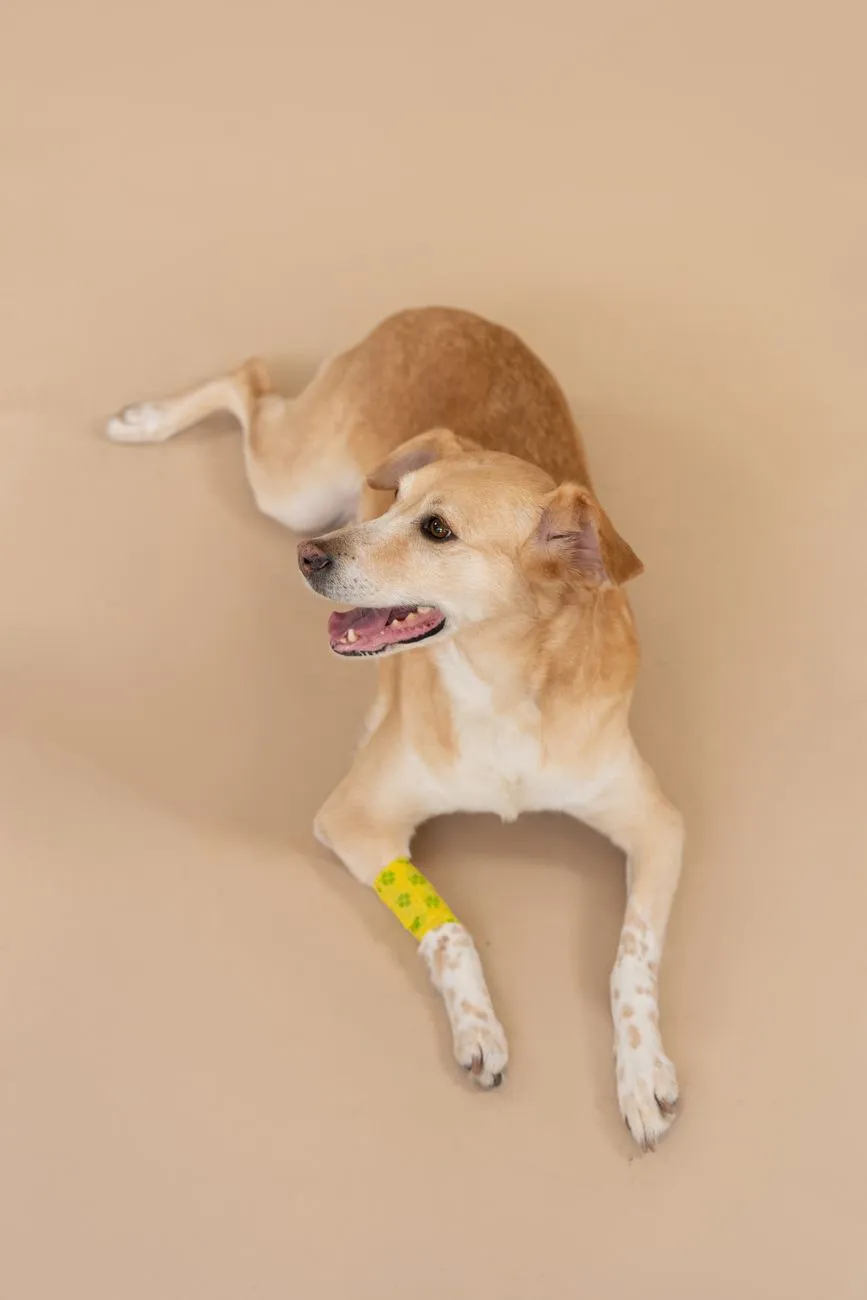
Capnocytophaga canimorsus sits in many dog mouths without making the dog sick. In rare cases it makes people very sick after a bite, scratch, or saliva on an open wound. The CDC Capnocytophaga overview is blunt: wash, then call a clinician — especially if you have no spleen, diabetes, cancer treatment, heavy alcohol use, or another immune problem.
Pasteurella and other oral bacteria can also seed wound infections. Flu-like symptoms after a dog bite are not a wait-and-see hobby. Redness, swelling, fever, confusion, severe pain — those are doctor-today signals.
This is rare, not imaginary. Rare is how these stories start. Treat broken skin like a medical question, not a cute social media moment.
Healthy dogs can still carry Capnocytophaga. The dog looking fine does not mean the wound is fine. Your immune history matters more than the dog's Instagram energy.
Rabies is still the India-critical saliva risk
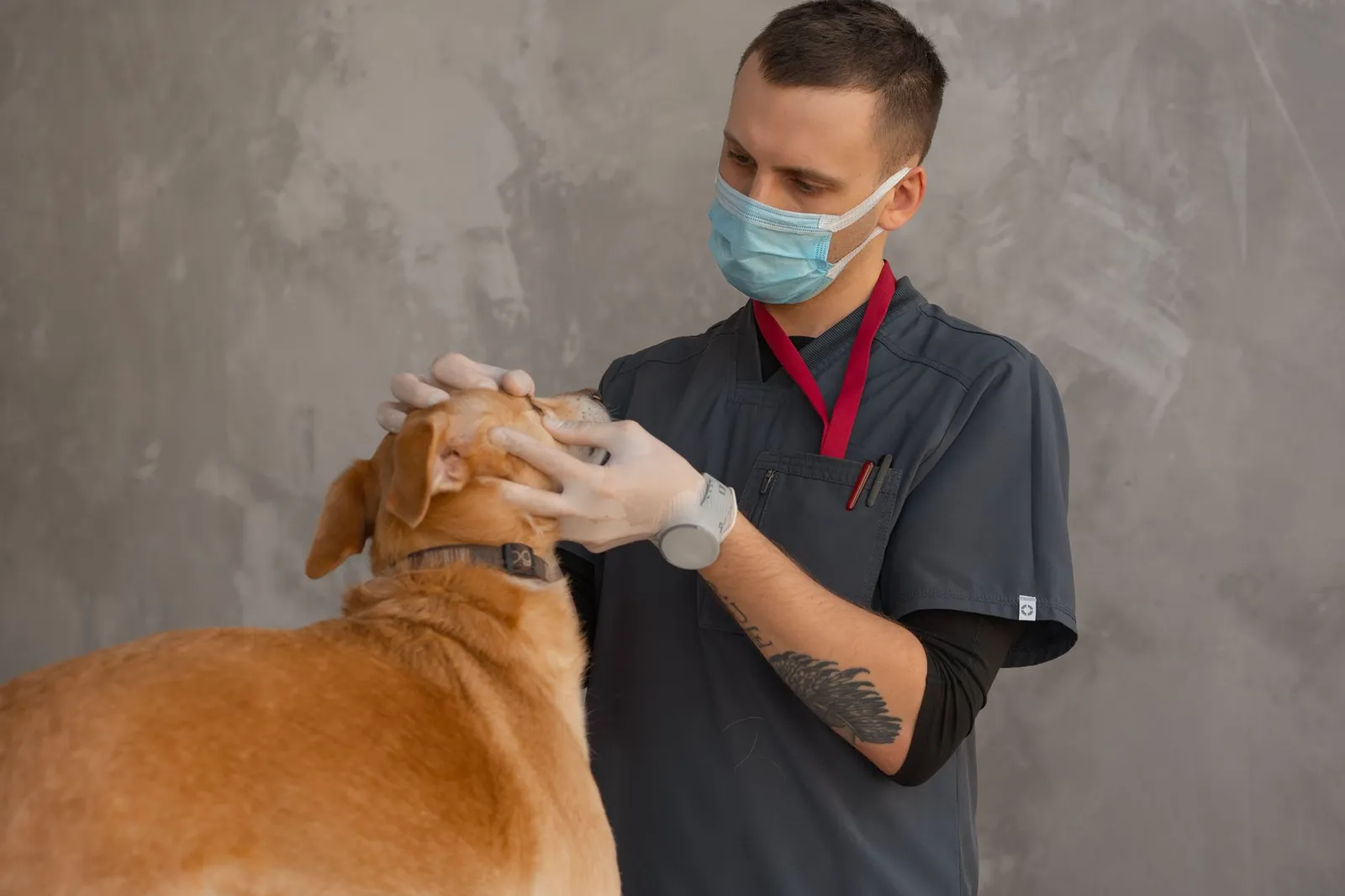
In India, rabies is the saliva conversation that should never feel theoretical. The virus spreads through infected saliva into bites, scratches, or mucous membranes. Once clinical rabies starts in humans, it is almost always fatal.
A healthy-looking pet with a current certificate is a better starting point than an unknown free-roaming dog. It still does not mean you skip wound washing and a doctor's judgment after skin breaks. We already covered how can a vaccinated dog transmit rabies — low risk after proper vaccination is not a free pass to ignore PEP advice.
Keep your anti-rabies schedule current. Budget for shots using our guide to dog vaccination cost in India. Pair that with a dog deworming schedule so gut parasites are not hitchhiking through the household either.
Street-dog density, incomplete vaccination coverage, and delayed wound care still drive human rabies risk here. That is why WHO rabies vaccines overview guidance for post-exposure care stays relevant even when the dog at home has a shiny collar tag.
Some households need stricter rules around dog kisses
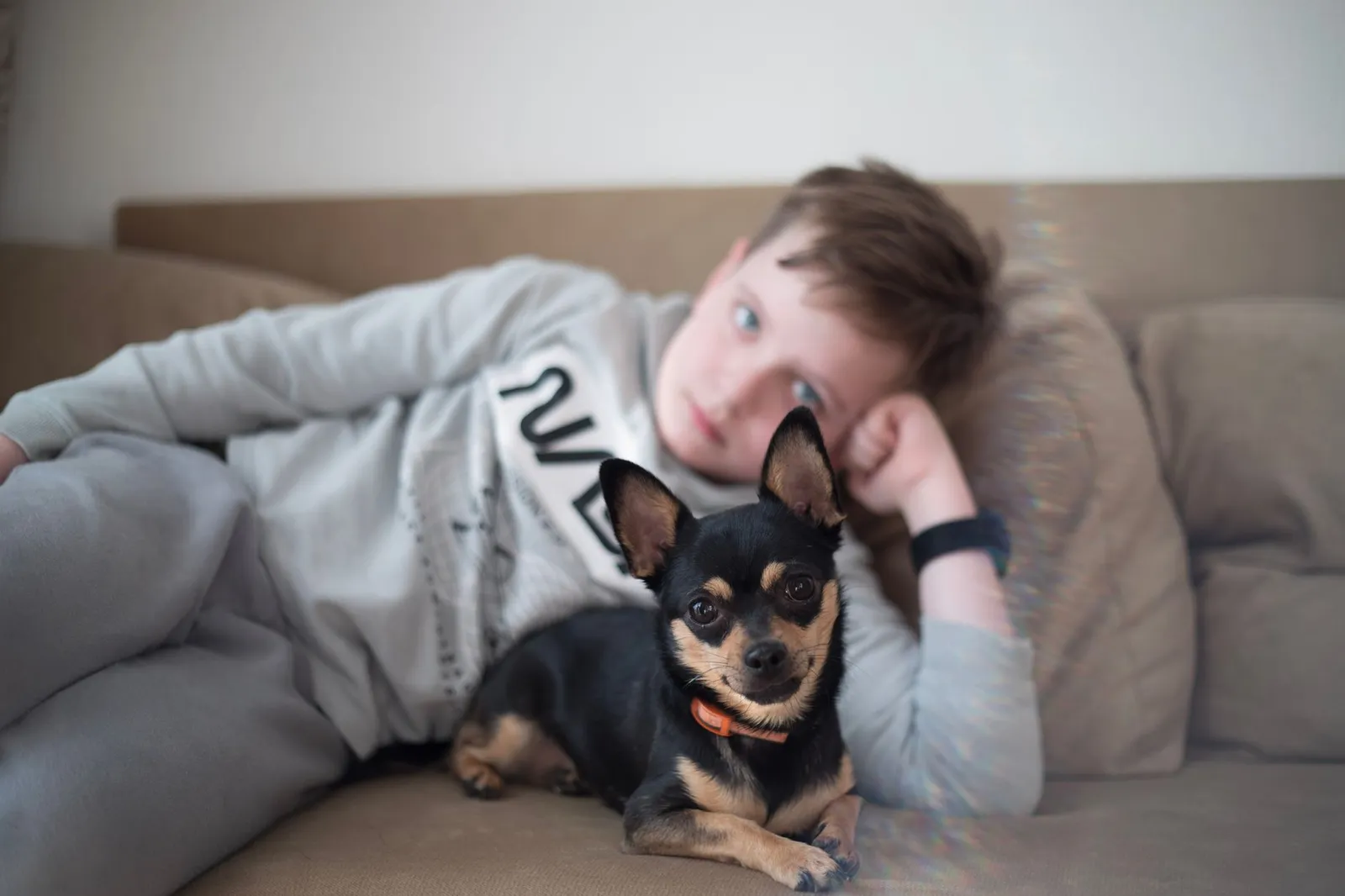
Healthy adults with intact skin can usually treat a paw-lick on the arm as low drama. Infants, older adults, pregnant people under medical advice, and anyone immunocompromised deserve tighter boundaries — no face licks, no wound licks, no shared food utensils.
Kids copy what they see. If face kissing is the house sport, teach hand washing after play the same way you teach shoe removal at the door.
PetMD on dog mouths and saliva lands where I do: occasional licks on intact skin are usually fine for healthy people; wounds, mouth, and eyes are not the greeting zone.
Guests with chemotherapy, recent surgery, or diabetes should get a soft house rule before the dog does the full welcome committee routine. Love the dog. Redirect the tongue.
What to do if saliva hits a wound, eye, or your face

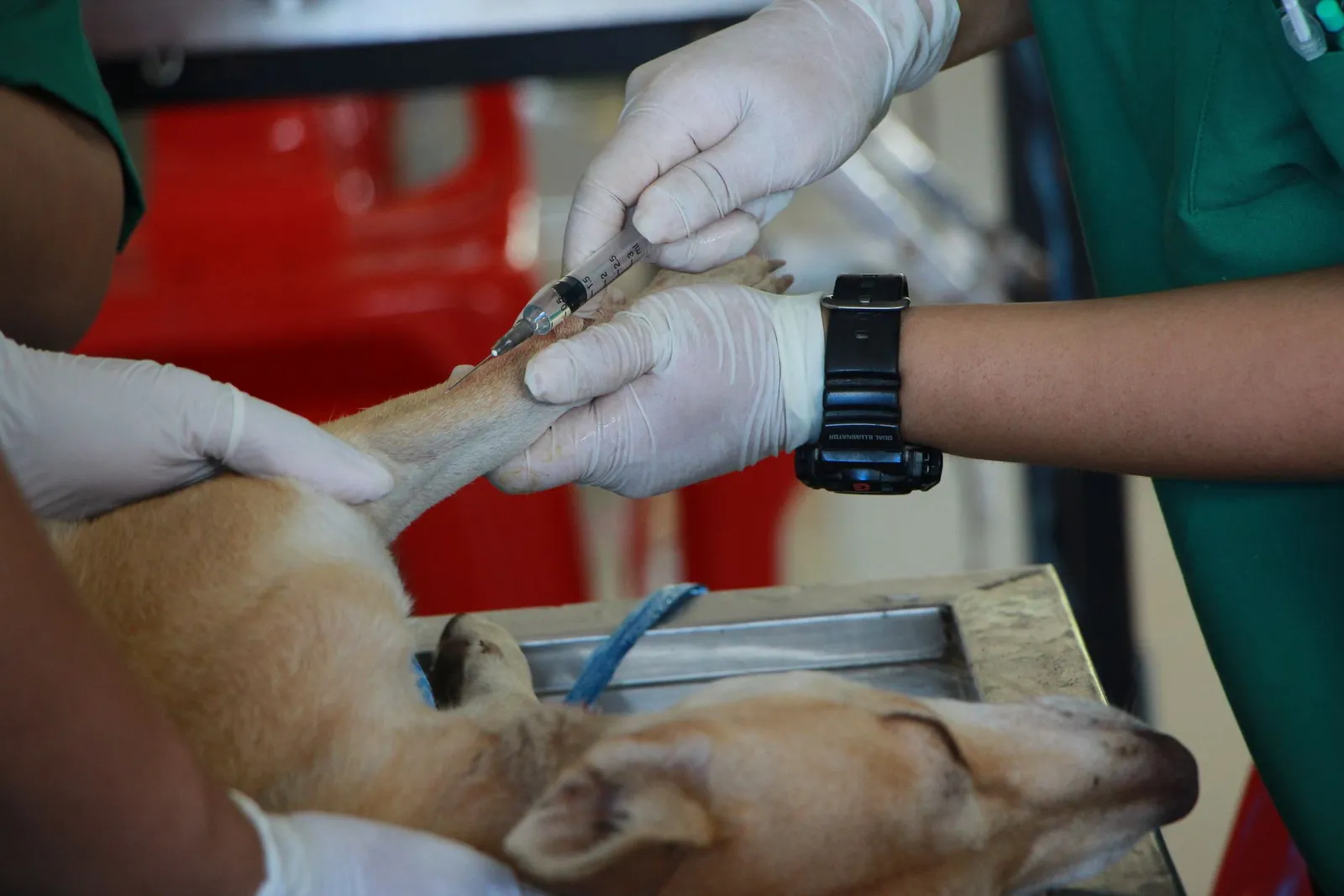
Wash with soap and running water. Flush eyes with clean water or saline. Do not scrub tissue into shreds. Then decide if a clinician needs the story — bite that bled, deep puncture, lick on a surgical cut, face wound, or any high-risk health history.
Photograph the site. Note the dog: owned or free-roaming, vaccination card if you have it, behaviour. Do not invent a certificate you never saw.
WHO rabies vaccines overview still frames exposure categories for clinicians. Your job is clean the wound and get assessed. Group-chat folklore about alcohol or diet after a bite is not treatment.
If symptoms start within days — fever, spreading redness, blistering, confusion — say dog saliva or bite exposure out loud at triage. That detail changes how doctors think.
Straight answers
Can dog saliva cause rabies?
Yes — rabies spreads through infected saliva into broken skin or mucous membranes. In India, treat any suspicious bite or saliva exposure as a medical question. Wash first, then see a doctor promptly.
Are dogs' mouths cleaner than humans'?
No. Dog mouths carry different bacteria and different exposures. Cleaner is a myth. Intact-skin licks are usually low risk for healthy adults. Wounds and faces are not.
Can Capnocytophaga from dog saliva kill you?
Severe Capnocytophaga infection is rare but can progress to sepsis and other life-threatening complications, especially in high-risk people. Seek care after bites or wound exposure if symptoms appear or if you are high risk.
Is it safe to let a dog lick my face?
For healthy adults it is often low risk and still not ideal. Eyes, mouth, and nose give bacteria an easier path. Skip face kisses if anyone in the house is immunocompromised, very young, or very old.
What if my dog licked an open wound?
Wash with soap and water right away. Call a clinician, especially for deep wounds, surgical sites, diabetes, or missing spleen. Do not wait for the wound to look theatrical.
Can children get sick from dog licks?
Children have less mature immune systems and more hand-to-mouth habits. Keep licks off faces and wounds, wash hands after play, and keep the dog's vaccines and deworming current.
Does a vaccinated dog mean saliva is risk-free?
Vaccination sharply cuts rabies risk when done properly. It does not sterilise a mouth of everyday bacteria. Wound care still matters.
Can dog saliva cause stomach infection?
If saliva carries fecal bacteria from scavenging or litter-box raids, mouth contact can theoretically transfer bugs like Salmonella or E. coli. Wash hands, skip face licks, and keep the dog's environment cleaner than the park drain.
If you came here scared about a lick, wash first, then get a human doctor or vet involved when skin broke or symptoms started. I will keep saying the boring line because it works.
When the crisis is over and you just need a calm home groom or a reliable walk, visit sploot.space or book on Sploot. We will not pretend we replaced your clinic.
Photos by Barnabas Davoti, Mikhail Nilov, Nikita Nikitin, Sora Shimazaki, Viktoria B., iddea photo on Pexels