
In this post: toxins and metabolic crashes · brain disease and trauma · idiopathic epilepsy · stress and weather · first aid in the moment · when Sploot is not right · straight answers
What Can Trigger a Seizure in a Dog: Causes and First Aid
What can trigger a seizure in a dog? Toxins, low sugar, brain disease, epilepsy. Learn first-aid steps first.

12 Aug 2026 · 9 min read

I have sat with a phone at 1am, trying to decide if a twitch was a seizure or a bad dream. Straight answer to what can trigger a seizure in a dog: toxins and metabolic crashes, brain disease or trauma, idiopathic epilepsy after other causes are ruled out — and everyday stressors that lower the threshold without being the disease itself.
Your job in the moment is safety and a timer. Diagnosis belongs to a veterinarian.
Toxins and metabolic crashes trigger reactive seizures

Reactive seizures happen when a structurally normal brain reacts to something elsewhere in the body. Low blood sugar, especially in tiny puppies. Liver or kidney disease. Electrolyte swings. Rat poison, antifreeze, xylitol gum, caffeine, liquor, and leftover human meds.
Chocolate belongs on that list too. If a festival stash disappeared, read can dogs eat chocolate before you wait to see if they sleep it off.
Cornell on managing canine seizures groups these under reactive seizures: fix the metabolic problem or toxin exposure, and the seizures often resolve with it.
If you suspect poison, bring the packet. Guessing the flavour of the chocolate does not help the clinic as much as the brand and weight.
Write down when the episode started, how long it lasted, and what the dog ate or chewed that day. Those three lines often matter more than a dramatic retelling.
Brain disease and trauma sit inside the skull
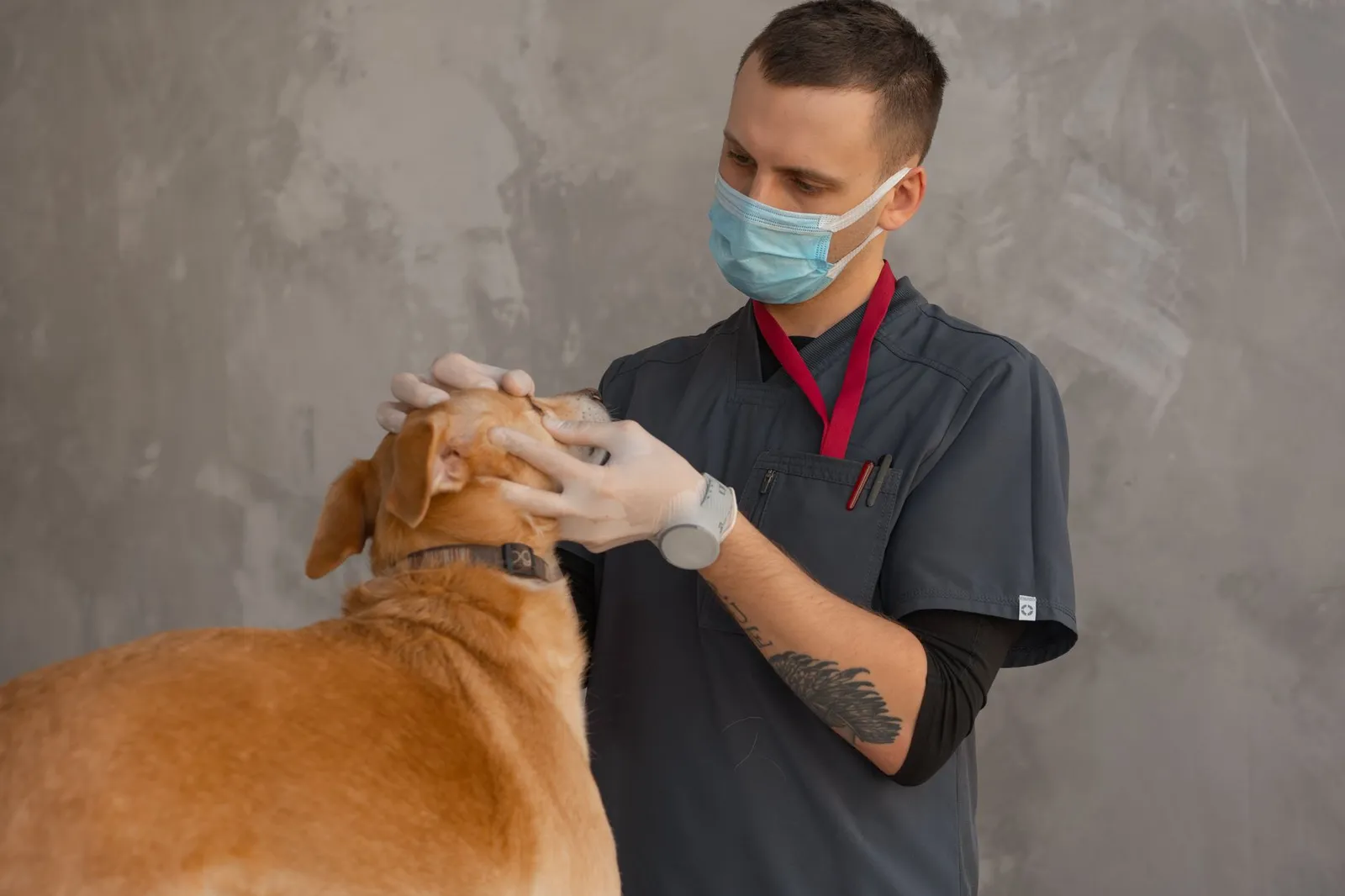
Structural causes live in the brain itself: tumours, head trauma, stroke-like events, inflammatory disease, congenital malformations in young dogs, and infectious disease such as canine distemper.
Age hints at likelihood, not certainty. Dogs under a year more often point toward congenital issues, intoxication, or infection. Dogs whose first seizure arrives after six years more often need a workup for metabolic disease or a structural lesion.
If distemper is on the table — especially in an under-vaccinated puppy — our post on whether a vaccinated dog can get distemper explains why they seemed fine last week is not a vaccine certificate.
VCA guide to seizures in dogs walks through history, bloodwork, and when imaging enters the plan. That sequence exists so you are not treating epilepsy when the real problem is a liver shunt.
Recommended products

Chonky Chimken Dog Food
From ₹99

Punchy Paneer Dog Food
From ₹99
Idiopathic epilepsy is still a real diagnosis
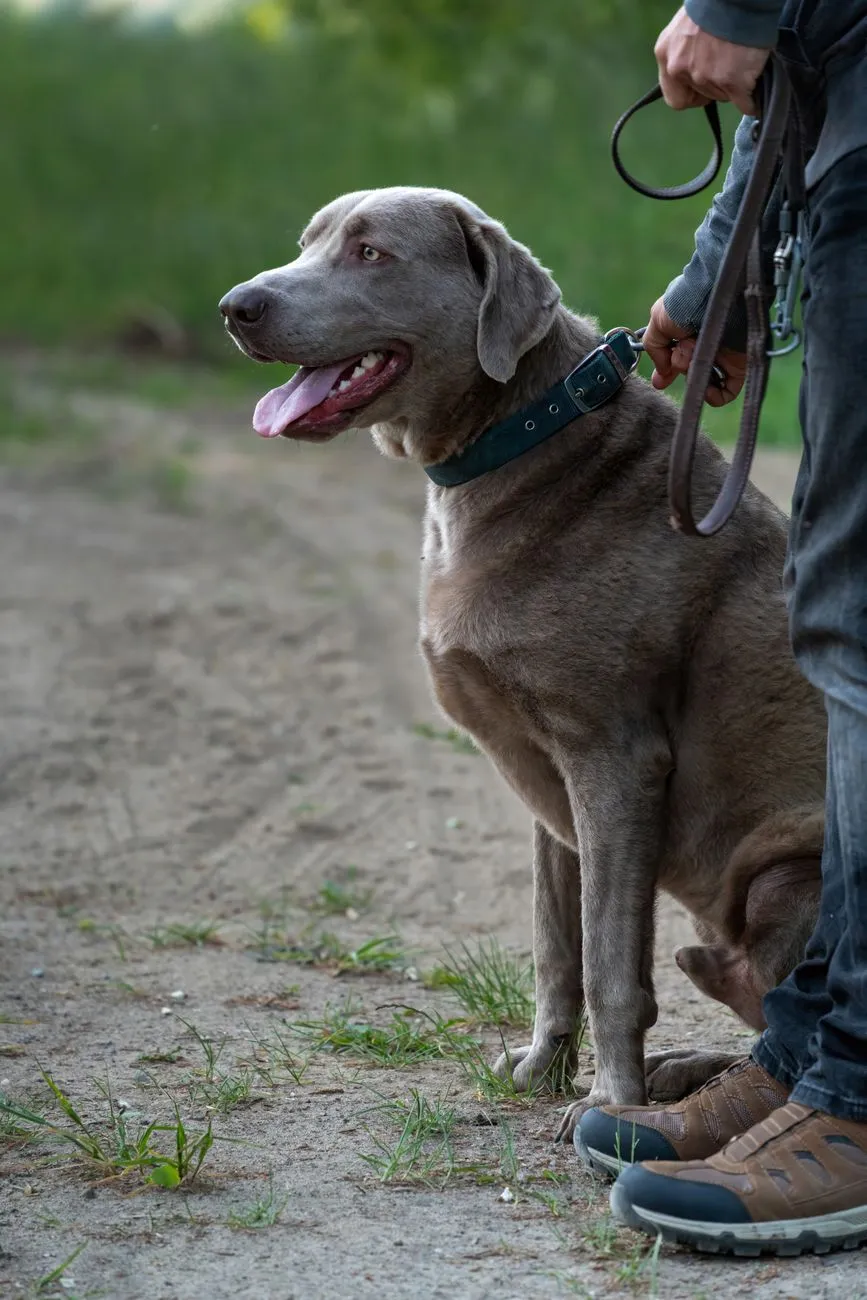
Idiopathic epilepsy means recurrent seizures with no detectable cause after a proper workup. It is often genetic. It is also the most common long-term seizure diagnosis in otherwise healthy dogs.
Normal bloodwork does not mean you imagined it. It means the extracranial causes your vet checked are not the current explanation.
Treatment decisions usually wait for pattern: two or more seizures in six months, clusters, status epilepticus, or seizures that are worsening. Phenobarbital, potassium bromide, and newer anticonvulsants are vet territory — not neighbour dosing charts.
Never stop anticonvulsants suddenly because a quiet month made you optimistic. Abrupt withdrawal can make the next cluster harder.
Between appointments, keep a simple seizure log on your phone. Date, duration, cluster or single, and what happened just before. Patterns beat memory when you are tired.
Stress and weather can lower the threshold
Merck Veterinary Manual on epilepsy notes precipitating factors in many epileptic dogs: stress, sleep deprivation, weather swings, hormonal changes. Those factors do not invent epilepsy. They can tip a susceptible brain into an episode.
So festival fireworks, a chaotic house guest week, or a heatwave sleep deficit can matter for a known epileptic dog. They are not a reason to skip the toxin history on a first-time seizure.
Track associations if you can: time of day, feeding, excitement, sleep transitions. Your notes help the vet more than a vague claim that it came out of nowhere.
What to do in the moment while the seizure runs

Move furniture and cords. Soften the landing zone. Start a timer. Do not put your hands or a spoon in the mouth — dogs do not swallow their tongues, and you will get bitten.
Dim lights if you can. Speak quietly. Film a short clip for the vet if it is safe. After the seizure, expect confusion, pacing, temporary blindness, or clinginess. Keep them away from stairs until they orient.
A seizure lasting more than five minutes — or back-to-back seizures without recovery — is status epilepticus. That is emergency care, not a wait-and-see night.
One short seizure is rarely fatal on its own. Clusters and overheating change that math. If fever is also in the picture, what can I give my dog for fever still applies: no kitchen Dolo experiments.
If the dog is still thrashing past five minutes, go. Do not wait for a perfect explanation of why it started. Status care comes before detective work.
When Sploot is not the right call
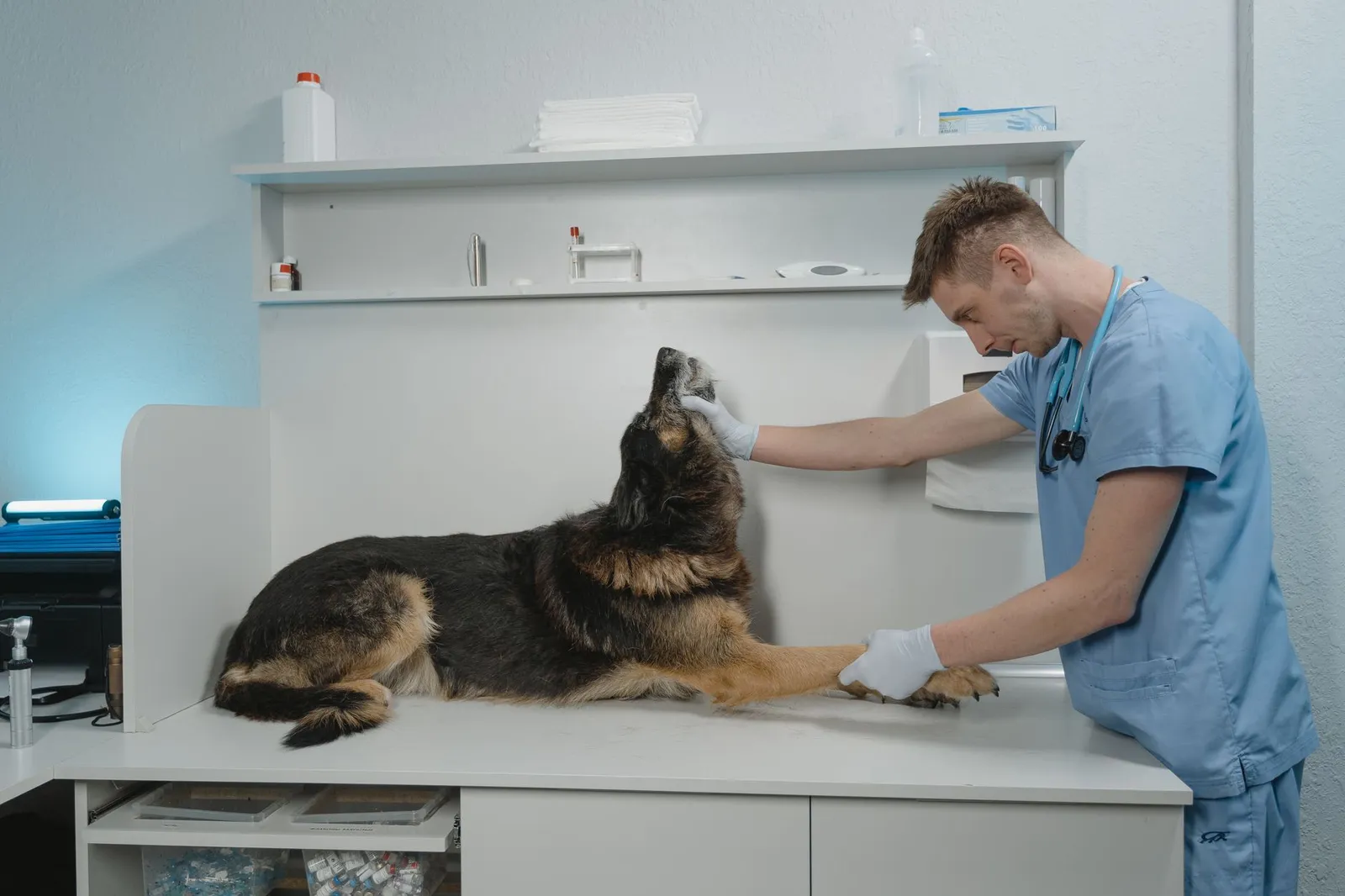
Sploot is not a neurology clinic. We will not adjust phenobarbital over chat. If your dog is seizing, recovering from a cluster, or newly diagnosed and unstable, cancel the walk, postpone the groom, and go to a vet.
Where we help after the vet clears routine life: structured walks that avoid overstimulation when needed, home grooming so you are not stacking salon stress on a dog with a fragile week, and honest declines when a booking looks like medical work we should not take.
My opinion on nights like this has not softened since we started Sploot in 2019: know your vet's number before you need it. Session reviews from Sploot dog parents after completed walks and grooms sit at 4.78 stars across 3,361 reviews — useful for service quality, useless for triage. When our dog Circuit's health issues made care feel fragmented, the expensive lesson was the same: trusted information and a reachable clinic beat late-night improvisation.
If limping or crying is the problem instead of seizure activity, start with dog pain relief at home for the comfort rules — then still call the clinic.
I write this so you have a clearer map at midnight, not so you diagnose epilepsy from a blog. Book walks and grooms on visit sploot.space when your dog is cleared for ordinary life. For a seizure, book the vet.
Straight answers
What can trigger a seizure in a dog overnight?
Toxins, low blood sugar, organ failure, brain disease, trauma, idiopathic epilepsy, and threshold-lowering stress. Overnight timing often reflects sleep-wake transitions, not a unique night-only disease.
How many seizures can a dog have before it dies?
There is no fixed count. Danger rises with status epilepticus, clusters, overheating, and untreated underlying disease. Frequency alone does not set a death number — urgency does.
Should I pull my dog's tongue during a seizure?
No. Keep hands out of the mouth. Protect the body from furniture and falls instead.
Are seizures painful for dogs?
They look violent. They are not typically painful during the event, though dogs can panic and feel sore or exhausted afterward.
Can stress alone cause epilepsy?
Stress can precipitate seizures in a susceptible dog. It does not usually create idiopathic epilepsy by itself. Still investigate toxins and medical causes on a first event.
When should anticonvulsant medicine start?
Usually after a pattern your vet defines — often two or more seizures in six months, clusters, status, or worsening severity. Do not start or stop prescription anticonvulsants without veterinary instructions.
Can puppies seize from low blood sugar?
Yes. Toy-breed and young puppies are especially vulnerable. This is a clinic problem, not a honey-on-the-gums experiment without advice.
Is Sploot a substitute for emergency seizure care?
No. Sploot offers home-visit walking and grooming. Seizures need a veterinarian.
Photos by Erwin Bosman, KATRIN BOLOVTSOVA, Mikhail Nilov, Gundula Vogel, Israel Torres, https://kaboompics.com/, Tima Miroshnichenko on Pexels

FREE GUIDE
Feed your dog right: the complete nutrition guide
Portions, fresh food, treats and what to avoid. Everything about your dog's diet in one free guide.
Read More


Everything your dog needs, in one app.
Track sessions in real time, receive updates, manage bookings, shop essentials and stay connected to your dog's care journey—all from the Sploot app.