
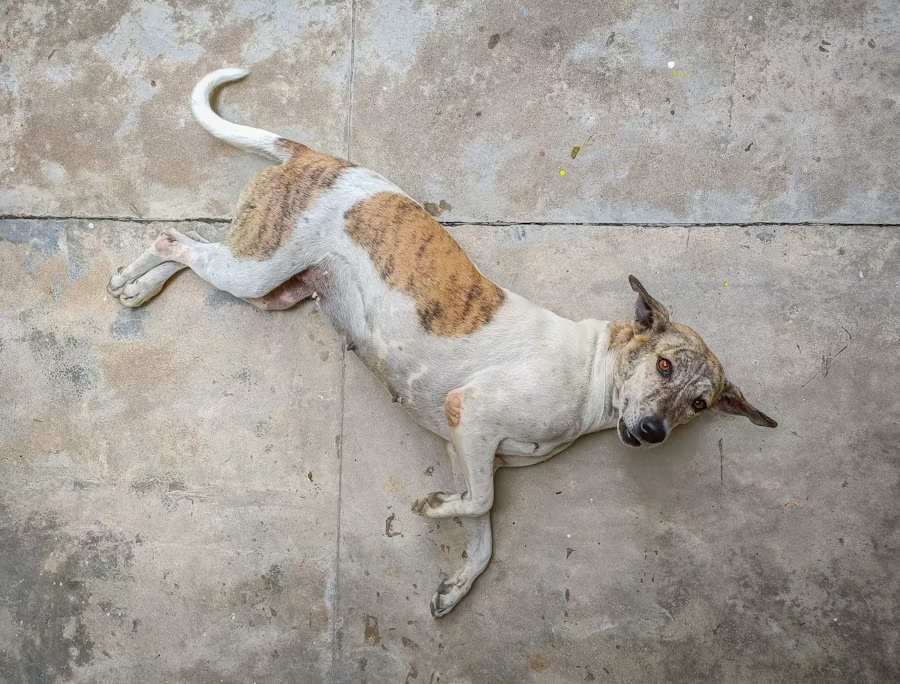
Walk through any Indian neighbourhood and you'll meet one. A lean dog, pointed ears, curled tail, alert eyes. This is the Indie dog, also called the Desi dog or Indian Pariah Dog. It is among the oldest dog types in India, and no breeder was involved.
The Fascinating History of Indie Dogs: India's Native Canine Breed
Discover the rich history of India's native canine breed, the Indie dogs, with sploot. Explore their origins and significance in Indian culture.

21 Aug 2024 · 2 min read
Where do Indie dogs come from?
Indie dogs have lived alongside people in India for thousands of years. Nobody designed them. They are a landrace, which means climate, food and survival shaped them, not a breed standard.
Over many generations, dogs that handled heat, little food and disease lived to pass on their genes. That's why most Indies share a look: medium build, short coat, pricked ears. Colours vary a lot, from sandy and brown to black and spotted. Here's a guide to Indie coat colours and traits.
What did dogs mean in ancient India?
Dogs appear in some of India's oldest stories.
The Rigveda mentions Sarama, a divine hound, and her offspring, who guard Yama, the god of death.
In the Mahabharata, Yudhishthira refuses to enter heaven without the dog that walked with him to the end.
Kala Bhairava, a form of Shiva, is shown with a dog as his companion. This is one reason dogs are fed at some temples today. Read more on Indie dogs as guardians.
In villages, dogs watched homes and herds and warned of strangers. They were part of daily life long before anyone kept pets.
Recommended products

Chonky Chimken Dog Food
From ₹99

Punchy Paneer Dog Food
From ₹99
Why are Indie dogs so tough?
Centuries of street and village life made them hardy. They cope with heat and monsoon, and they usually adapt fast to new homes.
Because they were never bred narrowly for looks, many vets find Indies to be healthy and low-maintenance. They still get tick fever and skin allergies, so regular vet care matters. See common health issues in Indie dogs.
Are Indie dogs related to other Indian breeds?
In a sense, yes. India's native working breeds, like the Rajapalayam, Chippiparai and Mudhol Hound, were developed from local dogs in their regions. The Indie is the everyday version of that same local stock, left to breed naturally.
What do Indie dogs face today?
The biggest problems are neglect, abuse and myths. A common myth is that Indies are aggressive or hard to train. Most are quick learners, and their temperament depends far more on care than on breed. Even the word "pariah" carries baggage, which is why many dog parents now say Indie or Desi.
Rescue groups and vets work to change this through vaccination drives, humane sterilisation and adoption. Here's how conservation efforts help.
Thinking of adopting an Indie?
Indies suit Indian homes and weather. Brush them weekly, keep vaccines and tick control up to date, and give them daily walks.
Need a walker? Book a Sploot dog walker.
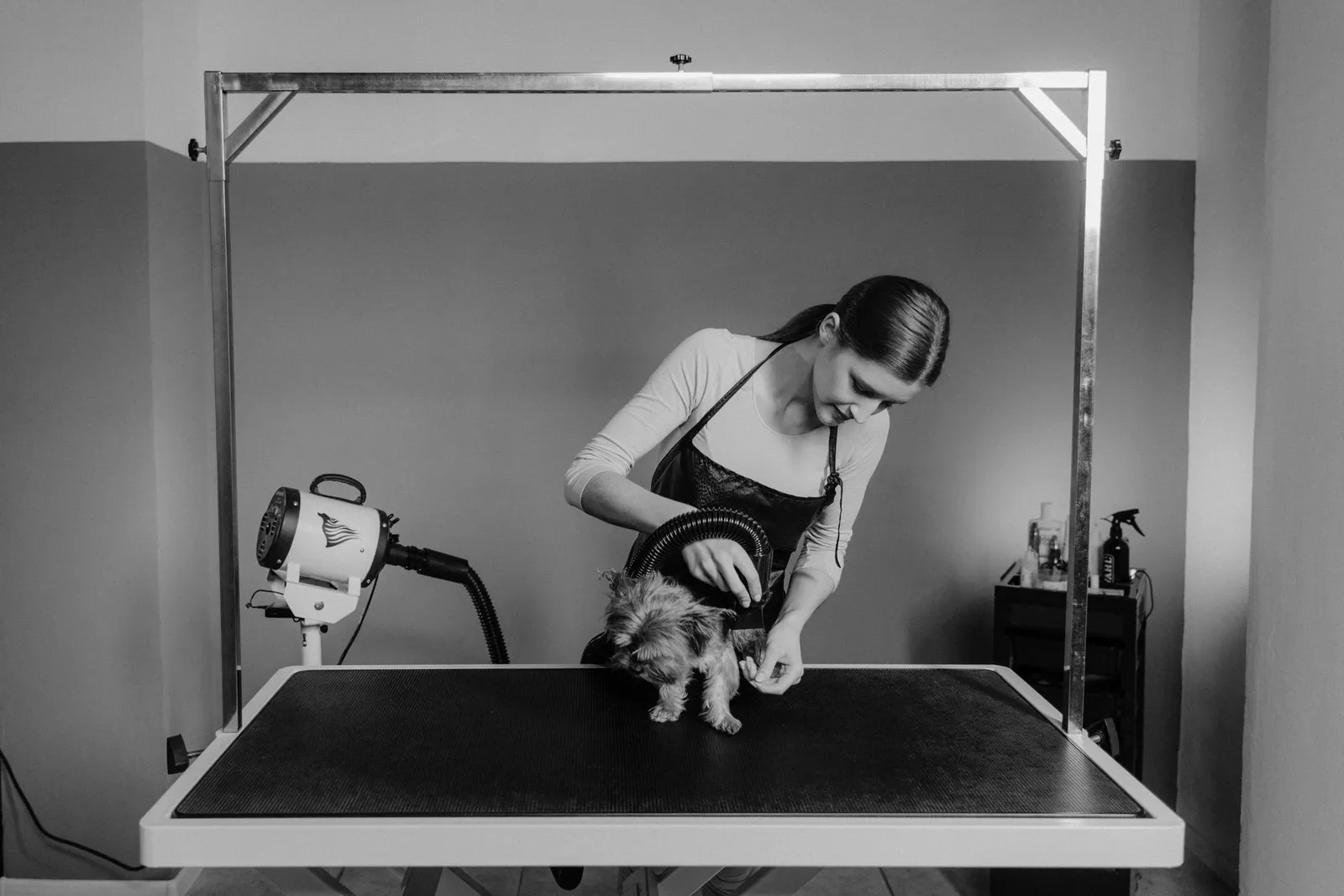
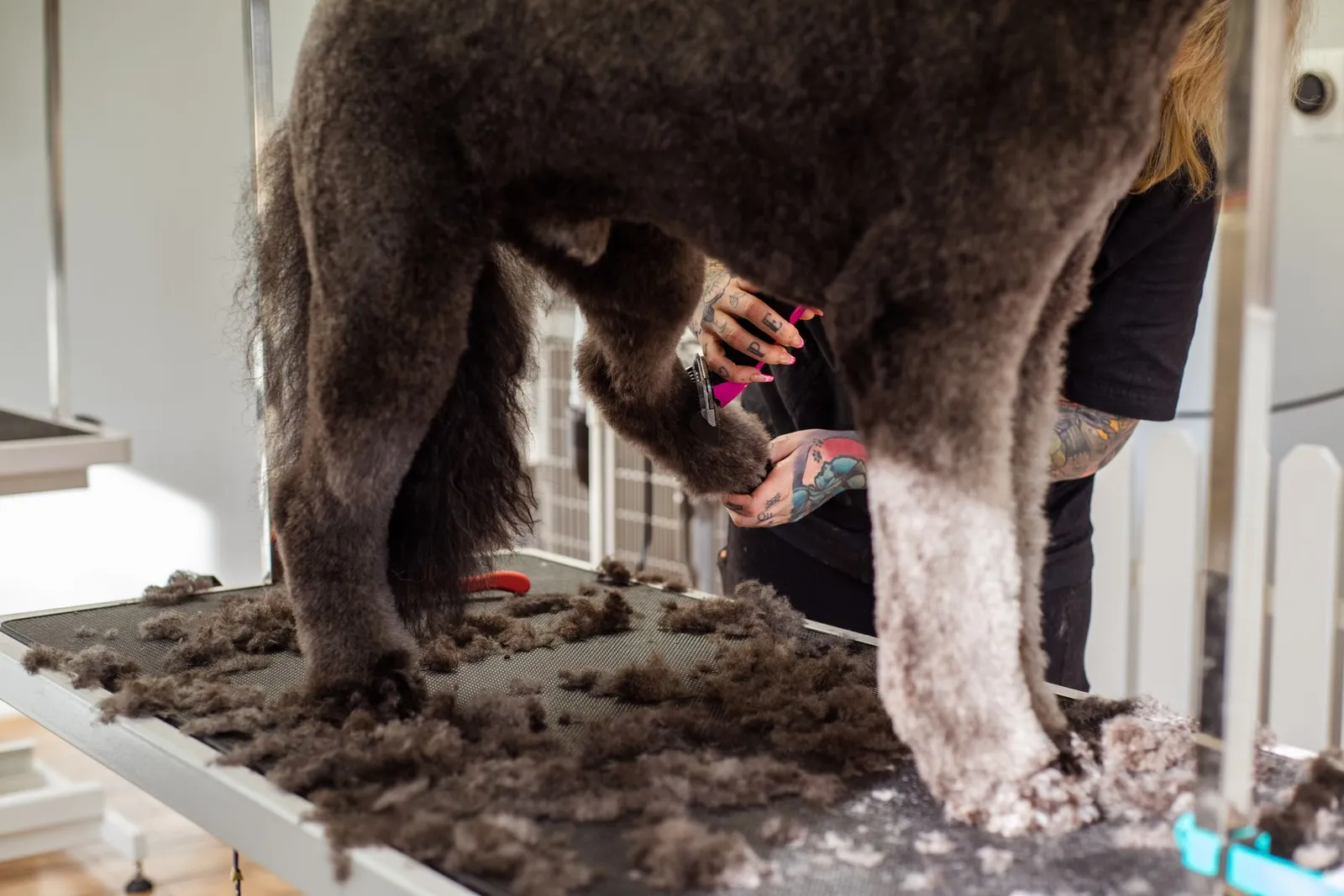
Coat care at home? Try Sploot grooming.
Vet check for a new adoption? Find a vet clinic near you.
Starting them on good food? See fresh dog food.
For more guides like this, download the Sploot app.

FREE GUIDE
Feed your dog right: the complete nutrition guide
Portions, fresh food, treats and what to avoid. Everything about your dog's diet in one free guide.
Read More
Everything your dog needs, in one app.
Track sessions in real time, receive updates, manage bookings, shop essentials and stay connected to your dog's care journey—all from the Sploot app.