In this post: what a pariah dog is — temperament — flat and family fit — exercise and training — price and adoption — lifespan and health — coat and size — aftercare — straight answers
Indian Pariah Dog Temperament and Price for Indian Homes
Clear indian pariah dog guide — temperament, apartment fit, adoption price, lifespan, and training tips. Plan real daily care, then book walks on Sploot.

21 Aug 2024 · 6 min read
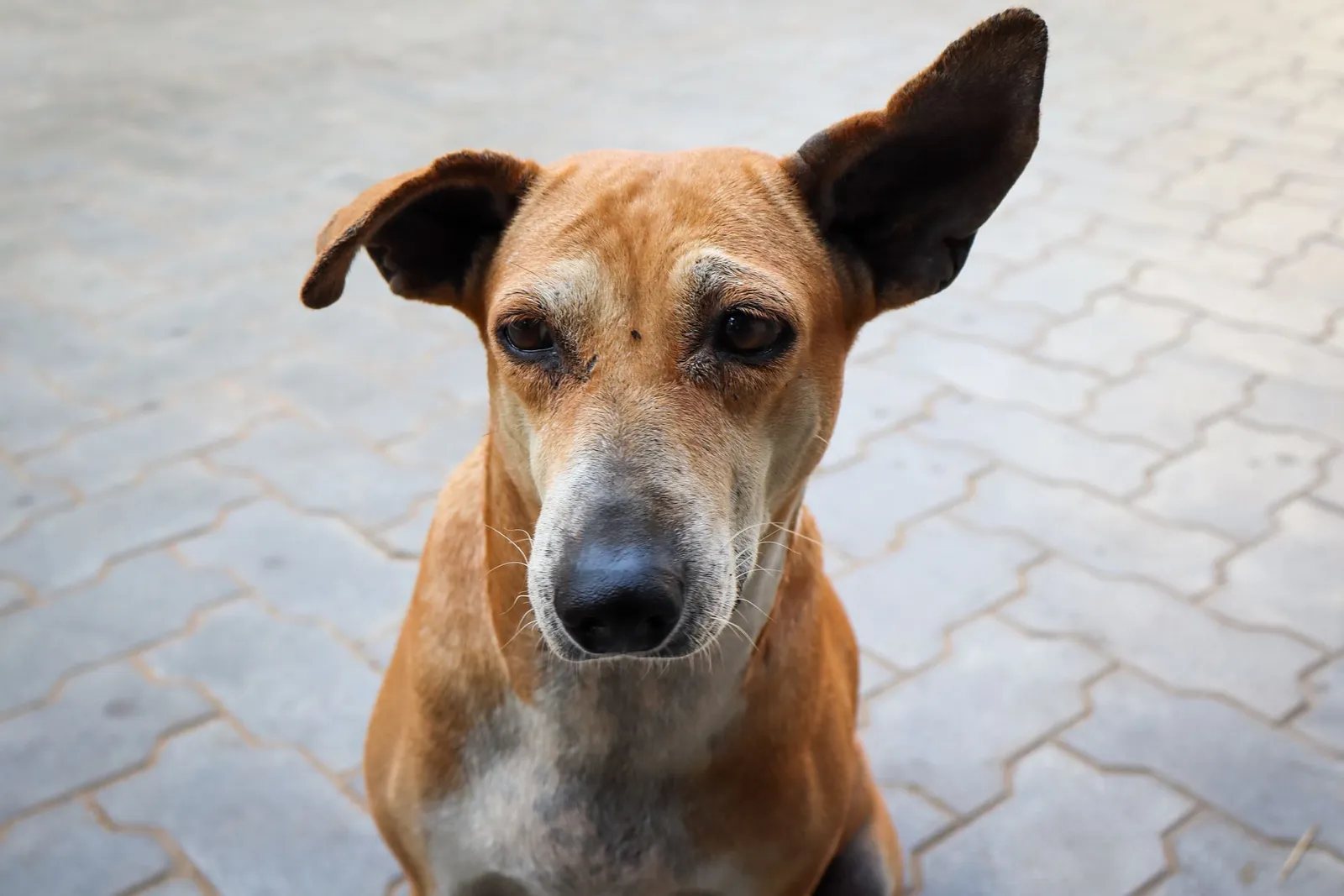
I get asked about indian pariah dog temperament more than almost any other breed question we hear at Sploot. Straight answer — an indian pariah dog is loyal, alert, and independent, and that mix works beautifully in Indian homes when you train and walk it on purpose. It fails when people expect a soft Labrador download in a desi body.
This page is the temperament and care deep dive for the pariah type — also called indie dog, desi dog, or INDog. If you want the wider native-breed shortlist, use our indian dog breeds and indie dogs guide next door. Here we stay on personality, apartment life, indian pariah dog price, lifespan, and what daily care actually looks like.
What an Indian pariah dog actually is
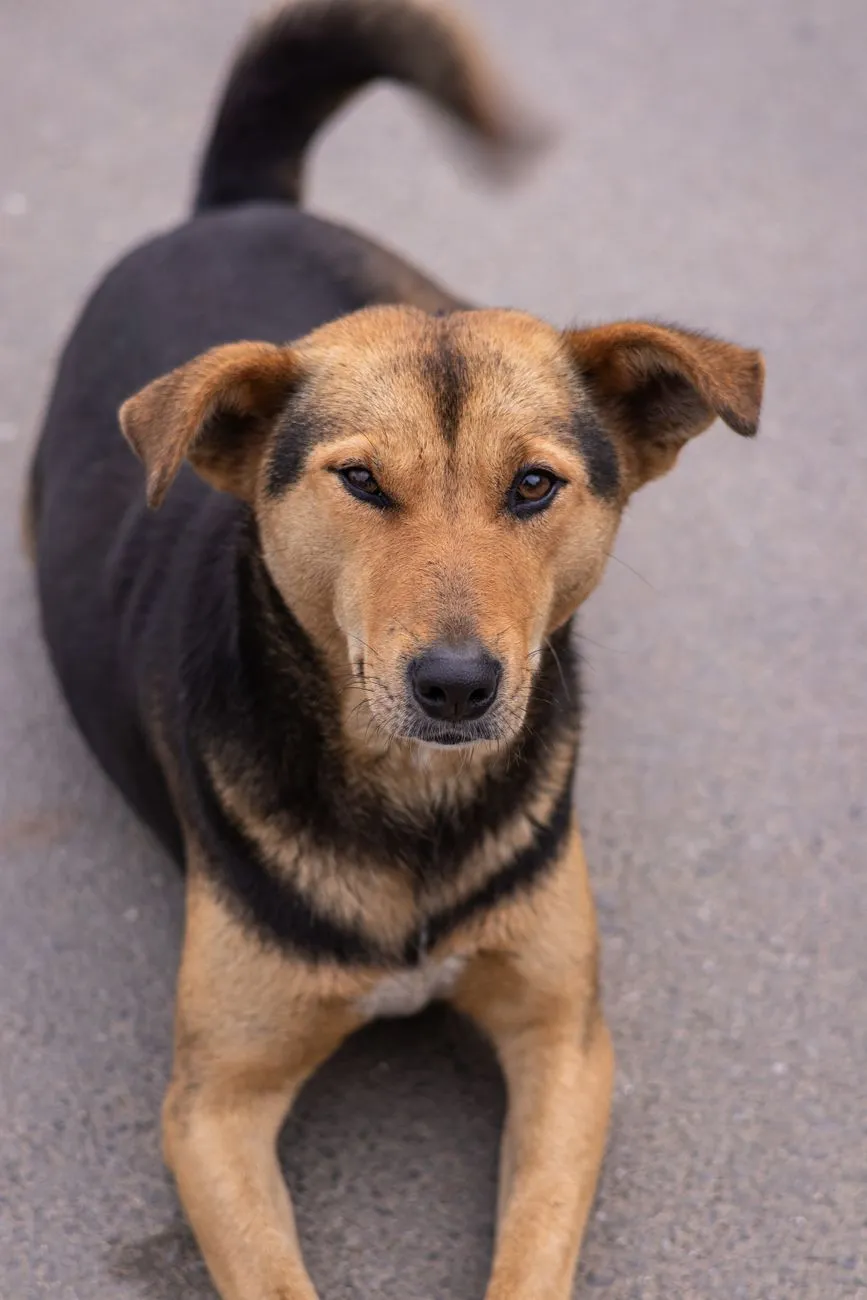
An indian pariah dog is India's common landrace — not a kennel-club brand and not every native breed name on a list. Indie is short for indigenous. Desi dog, desi kutta, pye dog, and street dog are the names people use depending on the city and the conversation.
The Wikipedia page on the Indian pariah dog puts the archaeological trail at roughly 4,500 years. The INDog Project describes the same animal as a village dog type shaped by climate and survival, not backyard fashion mixes.
What this is not:
- Not automatically every mixed puppy with a curly tail.
- Not a failed Labrador litter.
- Not the same search as Rajapalayam, Mudhol, or Chippiparai — those are named native breeds with their own pages in history.
Many indian street dog searches land here because street dogs are often pariah-type. Some city dogs are mixes with foreign breeds. Meet the individual dog. Do not invent genetics from one Instagram photo.
Indian pariah dog temperament in real homes
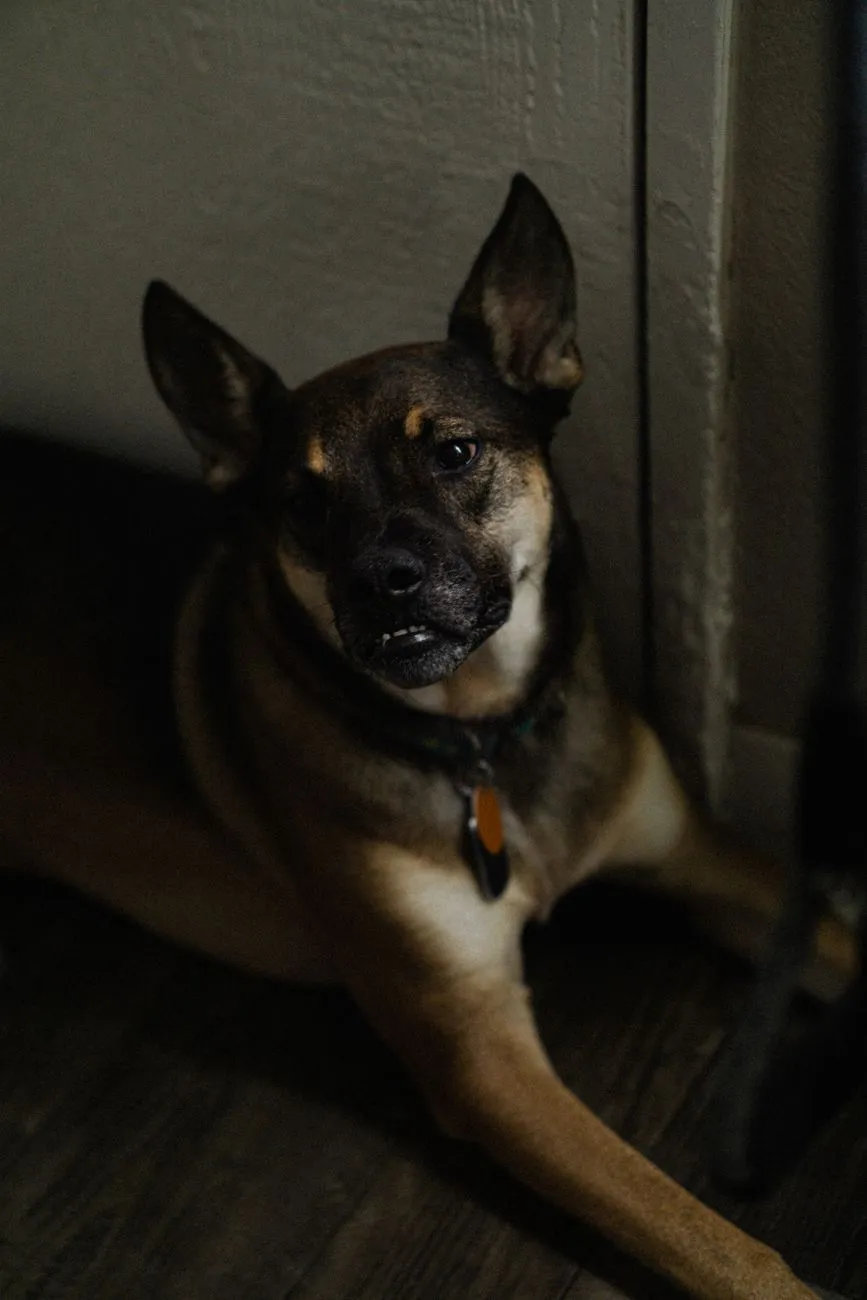
Indian pariah dog temperament is the reason people either swear by Indies or swear at them. The pattern is consistent across well-socialised dogs:
- Loyal once bonded — often intensely so with one or two people.
- Alert and territorial — excellent doorbell and corridor radar.
- Intelligent and observant — they learn patterns fast, including the ones you did not mean to teach.
- Independent — they think before they obey. That is not stubbornness as a personality disorder. It is a landrace brain.
- Affectionate with their people — after trust is built, not before you earn it.
- Cautious with strangers — watchdog energy, not a free-for-all greeting committee.
They are not naturally "dangerous." Poor socialisation, fear, and under-walking create hard dogs of any type. An under-stimulated indie will bark, dig, chew, and invent hobbies you will not enjoy.
Wikipedia and field observers both flag them as trainable and often used as guard or working dogs when handled well. Your job is early socialisation, clear house rules, and enough outdoor work that the brain gets used up.
Recommended products

Chonky Chimken Dog Food
From ₹99

Punchy Paneer Dog Food
From ₹99
Is an Indian pariah dog right for your flat and family
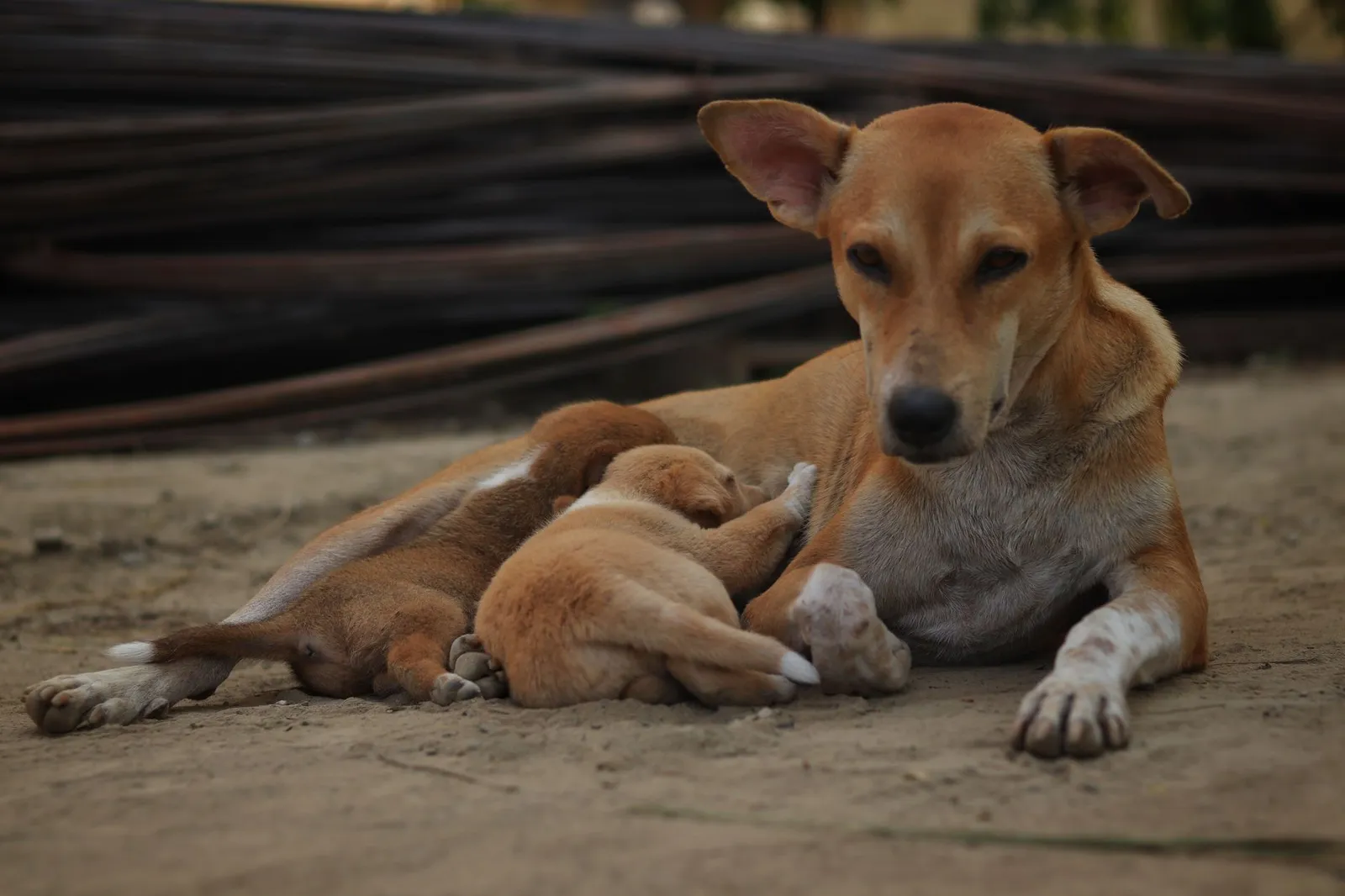
Yes for many Indian homes — with conditions. Apartment dogs need different expectations than bungalow dogs. A medium indie in a 2BHK can thrive if walks are real and training is consistent. Size helps. Under-walking does not.
Good fit when:
- You can commit to daily outdoor exercise and mental work.
- Someone in the house will do basic training, not only cuddles.
- You want a climate-adapted dog that does not melt in May heat the way some imported coats do.
- You are ready for a dog that bonds hard and notices every delivery person.
Harder fit when:
- You want a silent, instantly soft dog with zero territorial bark.
- Your building has zero outdoor access and your schedule has zero walk slots.
- There is already serious leash aggression or bite history and you hoped a walker would fix it. That needs a trainer or behaviourist first.
Kids: many Indies do well with children when raised together and supervised. Do not leave any dog alone with a toddler as free childcare. Socialise early. Teach kids not to corner or tease.
For apartment shortlists beyond the pariah type, our dog breeds for apartments guide sits nearby. For the multi-breed native list, stay on the indian dog breeds and indie dogs guide.
Exercise and training that match the brain
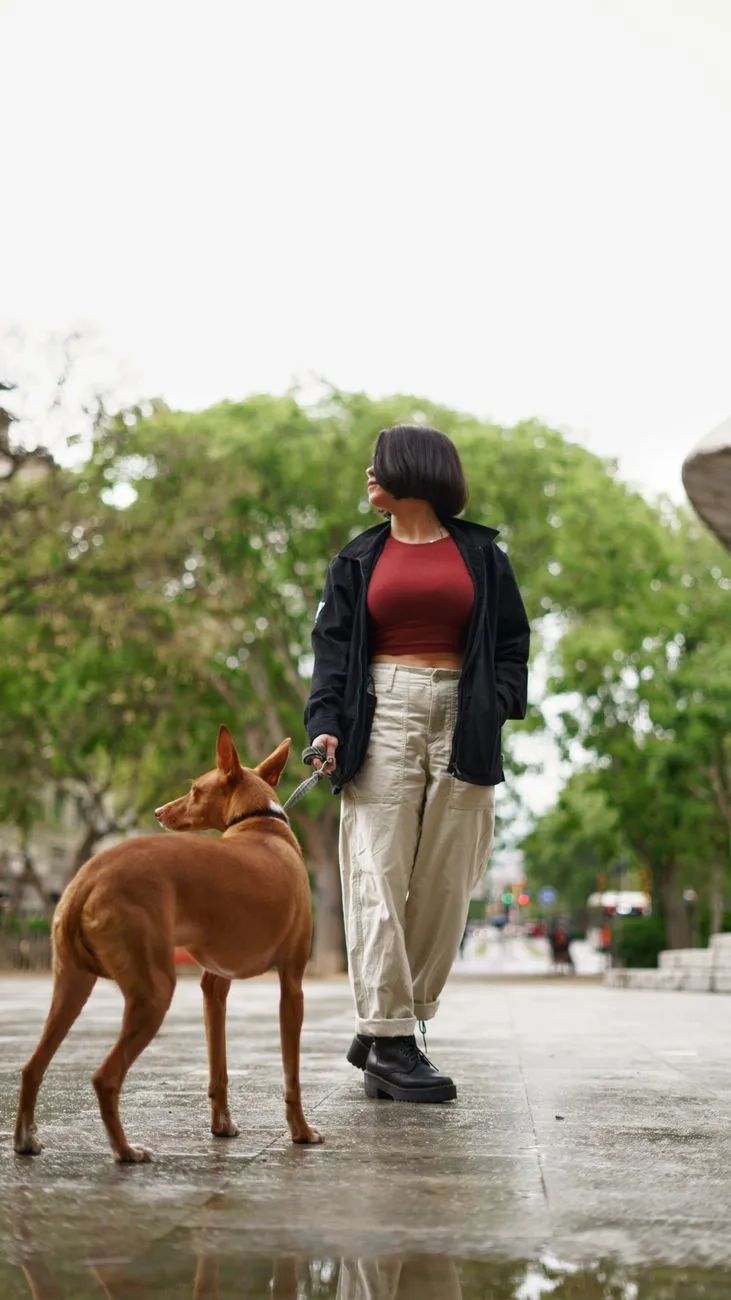
Energy is medium to high for most healthy adults. Rule of thumb: at least one solid daily walk with sniffing time, plus play or training indoors. Puppies need shorter, more frequent sessions. Seniors need gentler pacing.
Live listicles sometimes promise "two hours or else." Some dogs need that. Many do fine with less if the walk quality is high and the brain works too. Watch the dog, not the slogan.
Training that works:
- Positive reinforcement and food rewards.
- Short sessions. Indies get bored of drills that feel pointless.
- Recall practice in safe spaces before you romanticise off-leash parks.
- Early socialisation to people, sounds, lifts, and other dogs — carefully, not as a free-for-all.
Independent does not mean untrainable. It means you earn cooperation. Force and shouting usually create a quieter problem, not a better dog.
If weekdays collapse, book dog walking on Sploot rather than hoping Sunday guilt walks fix weekday restlessness. Quarterly plans are the best per-walk price — ₹116 for 20 minutes and ₹160 for 40 minutes. Session reviews from Sploot dog parents sit at 4.78 stars across 3,361 reviews after completed walks and grooms. Our dog walking guide covers how much movement different dogs need once the schedule is real.
Indian pariah dog price and what adoption really costs
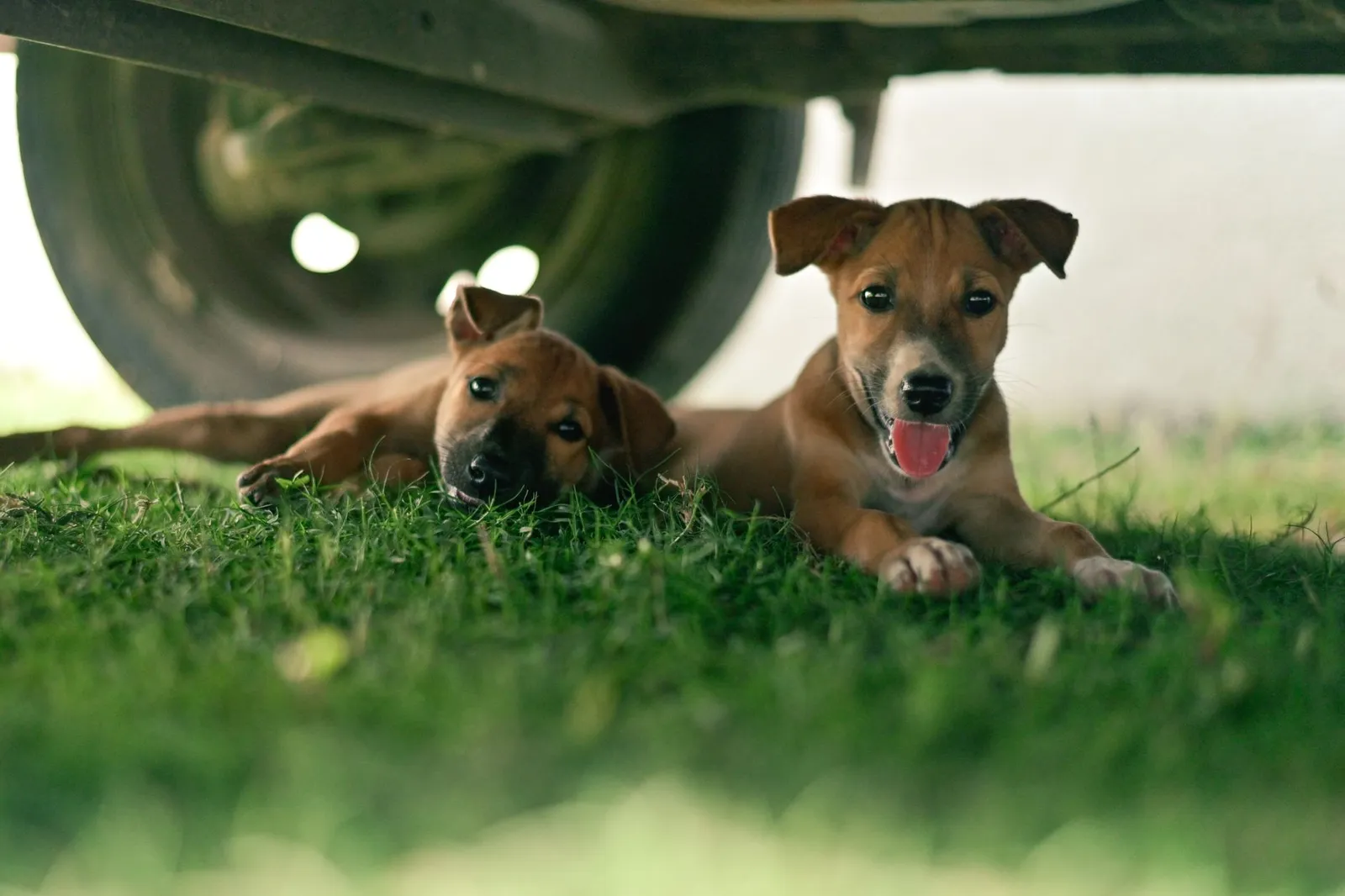
Straight answer on indian pariah dog price: adoption from a shelter or independent rescuer is often free or a small fee that covers early vaccines and sterilisation. Paying thousands for a "pure indie puppy" from a random seller is usually a red flag, not a premium.
Budget for the real costs instead:
- First vaccines and boosters — see our dog vaccination cost guide for India ranges.
- Sterilisation if not already done.
- Deworming, flea and tick prevention, and a first vet check.
- Food, a leash that fits, and a quiet landing week at home.
- Training time. That is not free even when the dog is.
AWBI animal welfare guidance exists because street dogs and community animals are a public-welfare issue, not an Instagram aesthetic. Adopt through people who will tell you what they know about the dog's history. Ask about fear of men, car trauma, food guarding, and street fights. Temperament starts before the collar arrives.
Puppy searches — indian pariah dog puppy, pariah puppy — should still lead to adoption channels first. A quiet adult from a foster home can be an easier flat dog than an eight-week hurricane.
Lifespan, health, and the low-maintenance myth
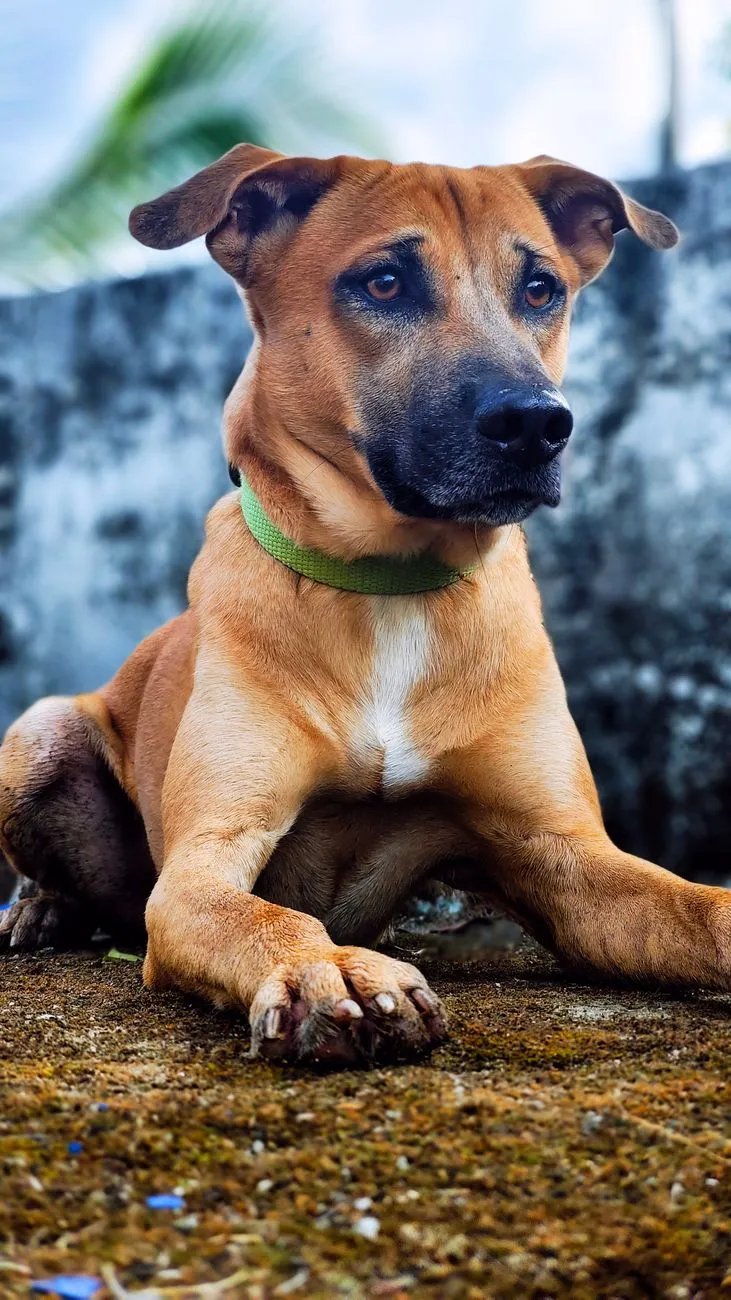
Indie dog lifespan and pariah dog lifespan commonly land around 11 to 15 years with decent care. Some live longer. Genetics and street survival help. Neglect still shortens lives.
Health strengths people celebrate are real: climate adaptation, fewer exaggerated pedigree extremes, and often sturdy immunity when vaccinated and fed properly. The myth is that Indies need no vaccines, no grooming, and no vet because they "survived the street."
Street survival is not the same as thriving in your flat. They still need:
- Core vaccines and boosters.
- Parasite control in monsoon cities.
- A balanced diet — not leftover roti forever.
- Ear and paw checks after wet walks.
- A vet number saved before 11pm panic.
Healthy indian pariah dog searches usually want this honest version: hardy, not magical. Short coats are low-groom compared with double-coated imports. A quick brush and occasional bath still beat ignoring mats or ticks until it is an emergency.
Coat colours, size, and the black pariah people keep googling
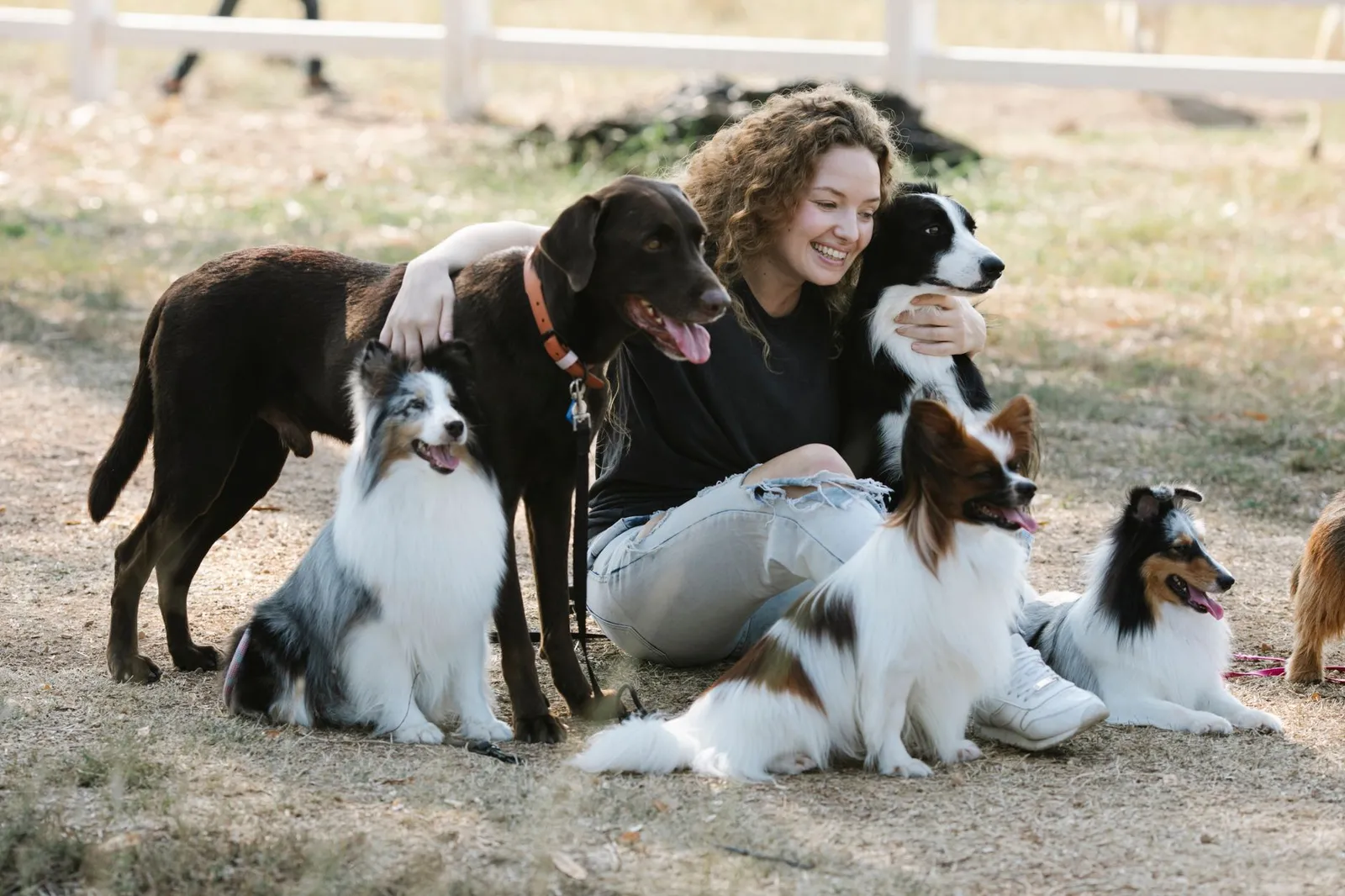
Typical indian pariah dogs are medium: roughly 46–64 cm at the shoulder and about 15–30 kg depending on sex and build. Coats are short to medium, often fawn, brown, black, white, or pied mixes.
Black pariah dog and white indian dog searches are coat colour, not separate breeds. Temperament still depends on socialisation and the individual. Do not buy colour folklore.
Height and build vary because this is a landrace, not a show standard. Meet the dog. Measure the dog. Do not order personality from a paint chart.
After adoption: food, walks, and when Sploot is not the answer
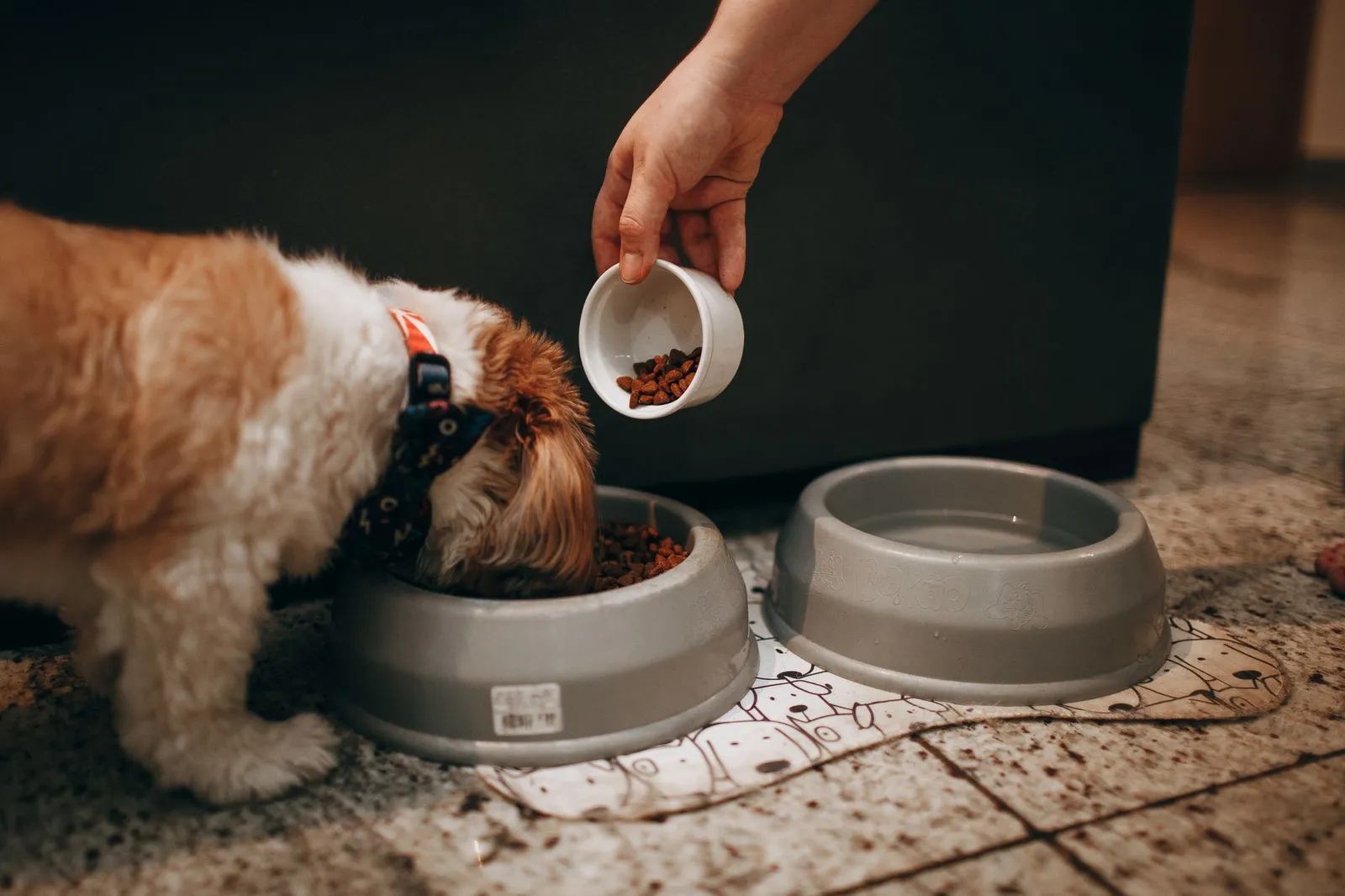
The first weeks are about routine, not Instagram. Feed on a schedule. Keep walks predictable. Let the dog decompress before you invite the whole society over.
Food: puppies need life-stage nutrition — start with a puppy dog food guide rather than inventing a kitchen diet. Adults need enough protein for an active dog, not endless carb filler. If the dog has gut issues or will not eat, that is a vet conversation, not a blog comment section.
When Sploot is not the right fit — we will not rehome a dog for you, mediate a society pet fight, or replace a behaviourist. If the dog is ill, go to a vet first. If there is bite history or serious leash aggression, get a trainer before you book a walker. A walker is not a trainer. We will say so even when it costs us a subscription.
I still think the best indian pariah dog decision is the boring one: honest daily walks, early training, and adoption through people who tell you the hard parts. When you are ready for the boring, useful part, book on Sploot or visit sploot.space.
Straight answers
What is an Indian pariah dog
An indian pariah dog is India's native landrace — also called indie dog, desi dog, or INDog. It is shaped by climate and survival, not kennel fashion. It is related to street dogs in many cities, but not every street dog is a pure pariah type.
What is indian pariah dog temperament like
Loyal, alert, intelligent, and independent. Soft with their people after trust is built. Cautious with strangers. Excellent watchdog energy when socialised and exercised.
Is an Indian pariah dog good for first-time owners
Yes, if you will walk and train on purpose. No, if you want a silent soft toy with zero homework. Intelligence helps. Neglect does not.
Is the Indian pariah dog dangerous
Not by default. Any dog can become dangerous with fear, pain, or zero socialisation. Meet the individual. Ask about history. Train early.
What is the indian pariah dog price in India
Adoption is often free or a small fee for vaccines and sterilisation. The real bill is care — food, vetting, and time. Paying high "pure indie" prices to random sellers is usually a warning sign.
How long do indie dogs live
Indie dog lifespan commonly sits around 11 to 15 years with good care. Vaccines, diet, and exercise matter as much as the landrace reputation.
Are Indian pariah dogs good with kids
Often yes when raised with children and supervised. Socialise early. Teach respectful handling. Do not leave toddlers alone with any dog.
Are Indian street dogs the same as pariah dogs
Often related, not always identical. Many street dogs are pariah-type. Some are mixes. Use behaviour and a vet check, not a viral label.
If you are still stuck between a Labrador brochure and a desi dog at the shelter, I would pick the dog whose energy matches your real week, not your ideal Sunday. Then train it. Sploot is here for the walks after the dog is home.

FREE GUIDE
Feed your dog right: the complete nutrition guide
Portions, fresh food, treats and what to avoid. Everything about your dog's diet in one free guide.
Read More


Everything your dog needs, in one app.
Track sessions in real time, receive updates, manage bookings, shop essentials and stay connected to your dog's care journey—all from the Sploot app.