
In this post: no single best breed — what Indian homes change — family picks — apartment picks — indie and native breeds — breeds that struggle in heat — care after you choose — straight answers
I have sat through enough breed debates to know the Instagram shortlist and the actual Tuesday shortlist are rarely the same dog. Straight answer — the best dog breeds for Indian homes are the ones that match your flat, your heat, and your real schedule, not the ones that look good in a winter coat photo.
This guide covers dog breeds in India that show up again and again for families and apartments, plus the climate filter most listicles skip. Sploot will not sell you a puppy or pick a breed for you. Fair enough. We show up for walks and grooms after the decision is made.
There is no single best dog breed — only a best fit
If someone promises you one universal winner, close the tab. Best dog breeds lists are useful as a shortlist. They fail when they ignore the building you live in and the hours you actually have.
The AKC advice on choosing a dog breed keeps coming back to lifestyle fit — energy, size, grooming, and who lives in the house. That still holds in India. The Kennel Club checklist before getting a dog is blunt for a reason: time, money, and space come before coat colour.
Rule of thumb before you fall for a breed video:
Match energy to your week, not your weekend mood.
-
Match coat to your climate and your willingness to brush.
-
Match size to lift rules, balcony space, and who will walk the dog when you travel.
-
Ask who holds the leash at 6:30am on a workday. That person decides more than any ranking chart.
A Labrador in a farmhouse and a Labrador in a 2BHK are not living the same life. The breed did not change. Your logistics did.
Indian homes change the shortlist more than Instagram does
Most global breed advice assumes a garden, mild summers, and one quiet driveway. Indian dog parents get monsoon mud, Diwali noise, society rules, and pavements that cook by noon.
Apartment dogs need different expectations than bungalow dogs. A high-energy breed in a small flat is not "naughty." It is under-walked. That is not a moral failure. It is a mismatch. Fix the match before you buy a stronger leash.
Indian summers punish bad walk timing. Morning and evening outings beat a single long midday march. Thick coats and flat faces need extra caution. If your plan is "we will manage with AC," be honest about power cuts and who pays the electricity bill when you travel.
Joint families and helpers change the picture too. More hands can mean more love. They can also mean mixed training cues if nobody agrees on rules. Pick a breed you can train consistently, not one that needs a full-time specialist you do not have.
If you want the legal filter first, read our note on banned dog breeds in India before you pay a booking amount. Popular is not the same as permitted.
Best dog breeds for families who actually share a sofa
When people search best dog breeds for families in India, the same three names keep earning the slot. They are popular for a reason. They still need exercise and training. Friendly is not the same as zero work.
Labrador Retriever — Still the all-rounder for many Indian households. Patient with kids when socialised well. Needs daily walks and mental work or the living room becomes a chew lab. Heat-tolerant with shade, water, and sensible outing times.
Golden Retriever — Soft temperament, people-oriented, sheds like it is a side hustle. My Golden, Snitch, taught me that "gentle" still means a big dog with big exercise needs. Summer coat care is real. So is the vacuum.
Beagle — Smaller than the retrievers, still stubborn when a nose finds a snack trail. Good for families that will walk twice a day and keep food locked away. Apartment-capable if the walks are honest.
German Shepherd — Loyal and sharp. Better for households that can train early and keep the mind busy. Not a "buy and hope" guard dog. Needs structure, or the protectiveness becomes a neighbourhood problem.
Boxer — Playful and affectionate with family. Needs room to move and a handler who can keep training consistent through the teenage months.
If you want a more serious guardian vibe, Dobermans and Rottweilers show up on many Indian shortlists. They need experienced handling, early socialisation, and a household that will not treat training as optional. Skip them if your building already panics at a Labrador in the lift. If your house has very young children, prioritise temperament and supervision over looks. No breed is a babysitter. The dog should not be the one managing the kids.
Apartment-friendly breeds that still need real walks
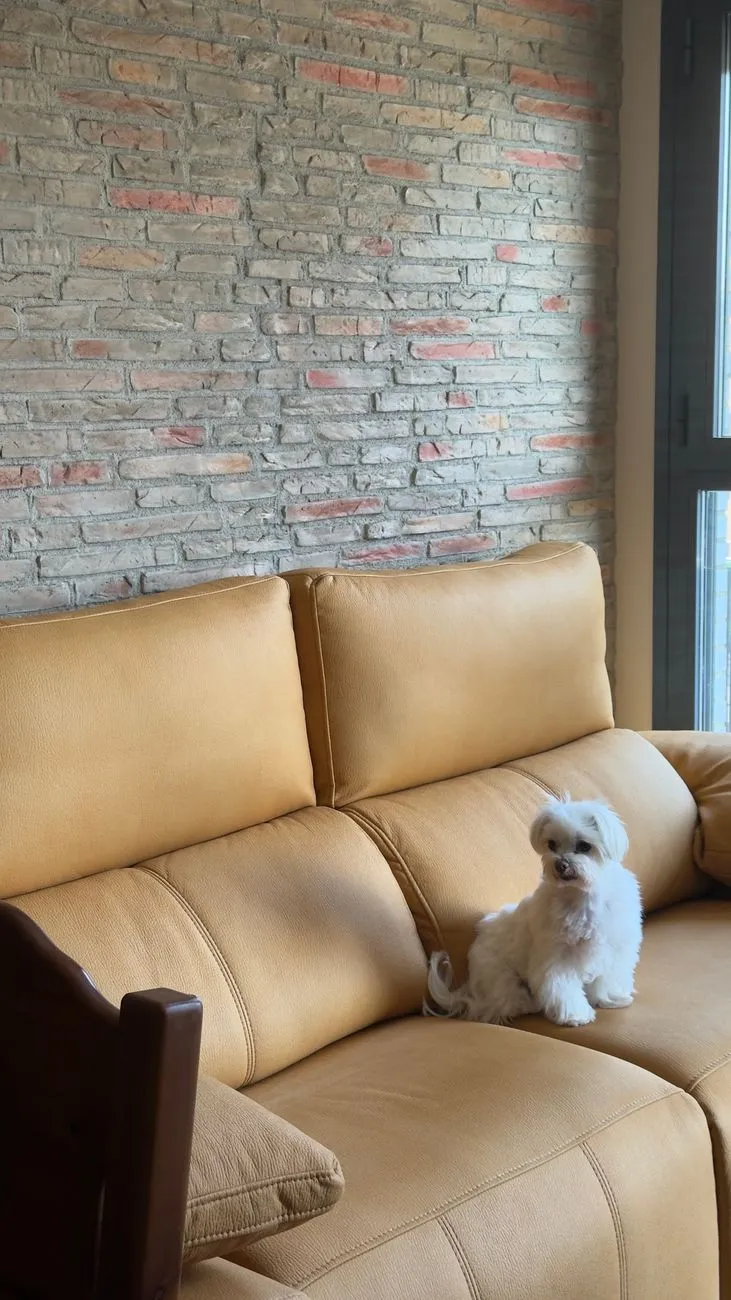
Small does not mean sedentary. Tiny dogs still need outdoor time, toilet routine, and something to do with their brain. For a deeper size shortlist, use our small dog breeds guide after this.
Indian Spitz — Built for Indian conditions more than most imported toys. Alert, apartment-sized, and usually happier with regular short walks than with being treated like a cushion.
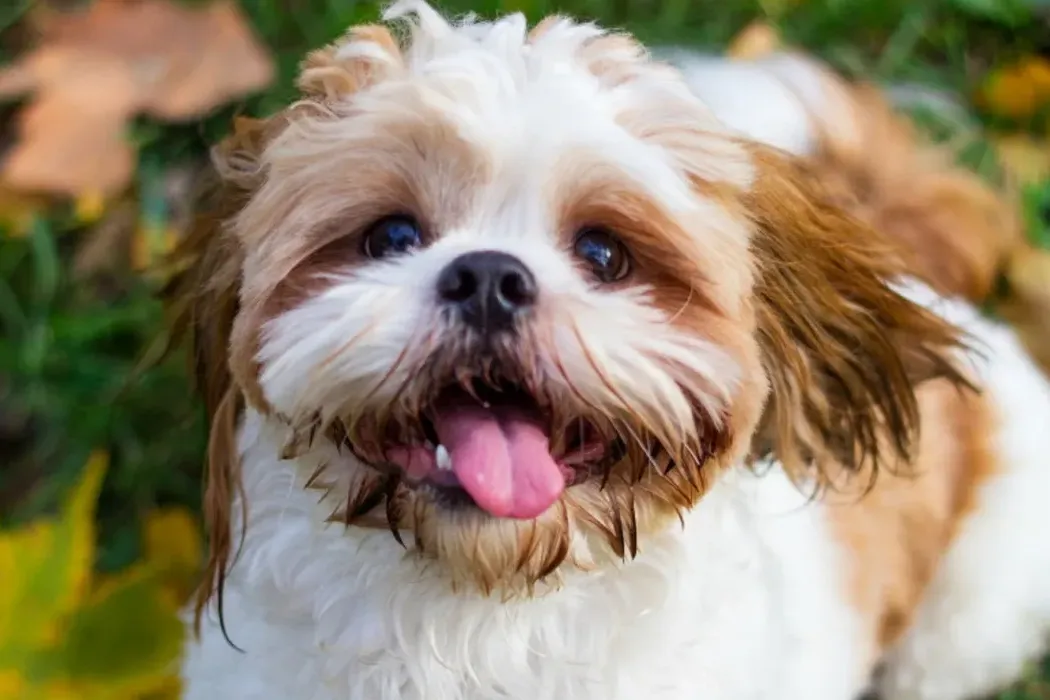
Shih Tzu — Companion first. Coat needs brushing or you are booking dematting later. Good for quieter flats if you stay on top of grooming.
Pug — Popular for small spaces. Flat face means heat and humidity are harder. Keep walks short in peak summer. AC helps. It does not cancel physics.
Pomeranian — Big personality in a small body. Sheds. Barks when bored. Works in flats when you give outlets for energy instead of hoping the balcony solves it.
Dachshund — Long backs need careful handling around stairs and jumps. Fine for apartments if you protect the spine and keep weight honest.
Cocker Spaniel — Softer family energy than people expect, still needs grooming and walks. Ears need attention in humid months.
Rule of thumb for flats: if your building has no open run, your calendar needs the walk slots. Breed choice cannot invent a garden.
Indie and native breeds deserve the top of your list
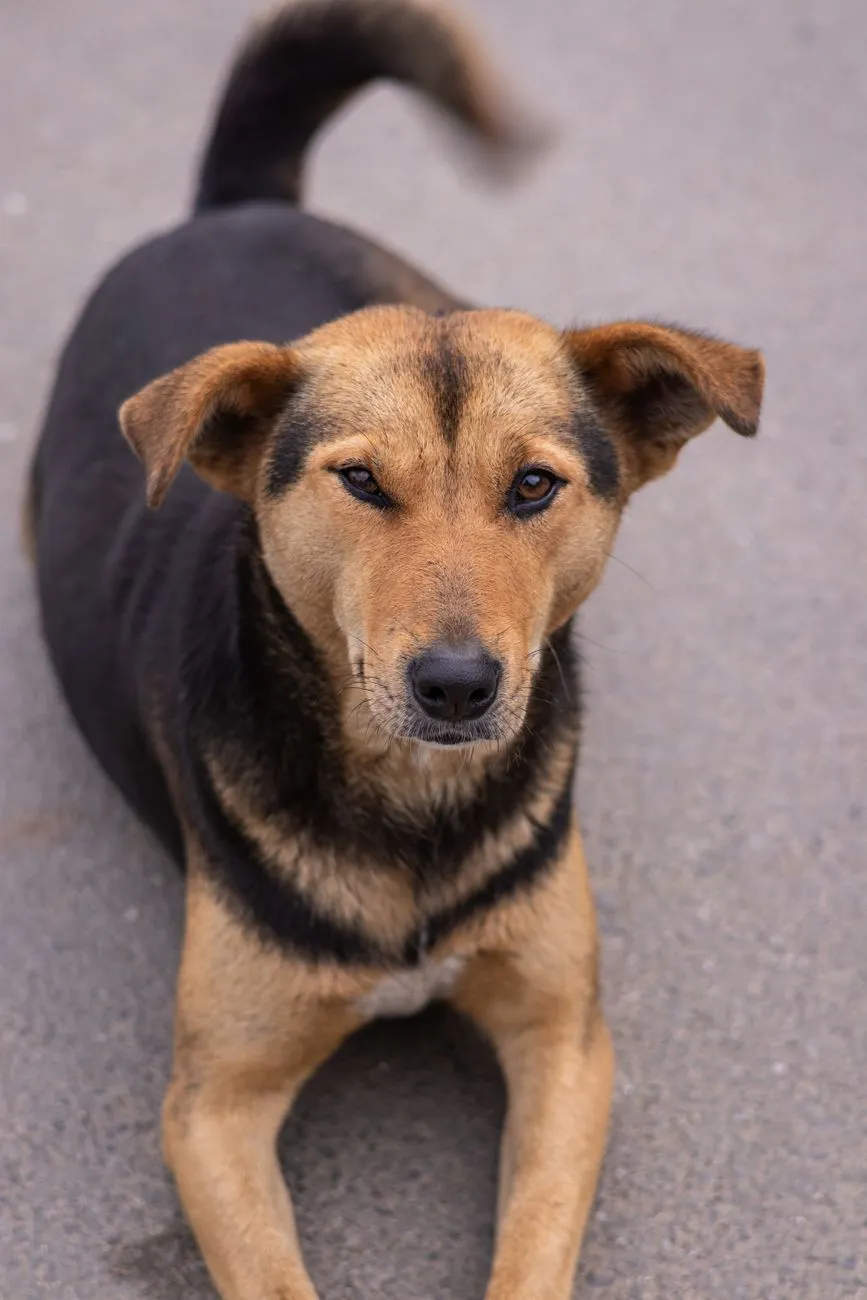
Soon after Snitch arrived, we adopted Dobby — an indie who befriended her and essentially chose us. That is still the most honest breed recommendation I can give for Indian weather. Native dogs evolved here. Heat, street noise, and local bugs are not a surprise to their bodies the way they are to some imported coats.
Indian Pariah Dog (Indie) — Intelligent, often healthy, climate-adapted, and widely available for adoption. Temperament varies by dog, not by a brochure. Meet the individual. Socialise early. Do not assume "street-smart" means zero training.
Indian Spitz — Already covered above, but it belongs in the native-friendly conversation for first-time apartment parents.
Rajapalayam and Mudhol Hound — Strong Indian sighthound and guardian lines. Better for people who understand high drive and need space or structured exercise. Not impulse buys from a weekend market.
Indies are not a monolith. Some are soft couch dogs. Some are alert and territorial. The breed label "Indie" is less precise than Labrador, so meet the dog, ask about history, and budget for the same vaccines, sterilisation, and training you would for any puppy. If you want the deeper native-breed rabbit hole, our indie dog breeds guide sits next door. Adoption is not a consolation prize. For many Indian homes it is the smarter first stop.
Popular breeds that struggle in Indian heat
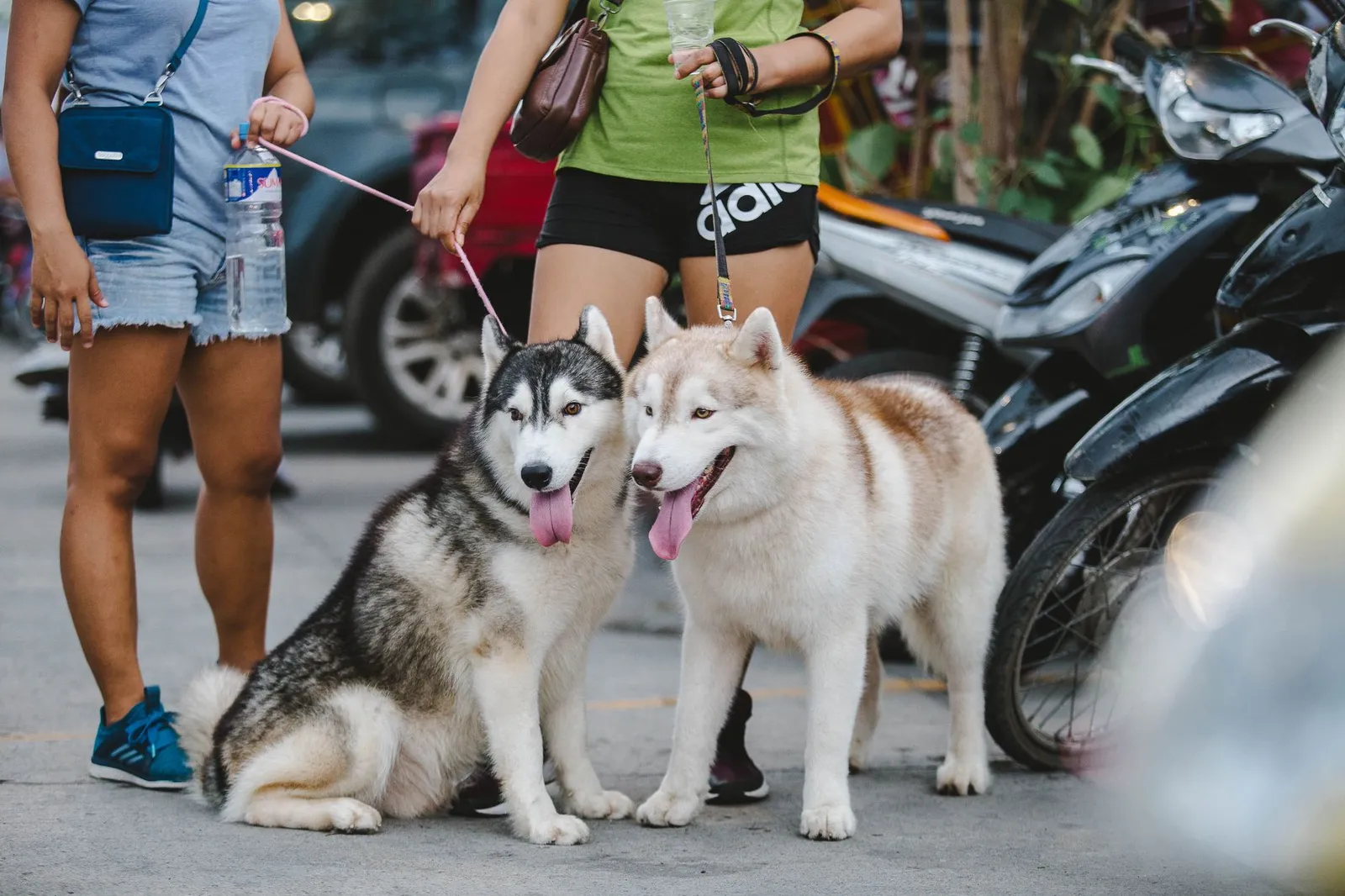
Some of the most photographed breeds are poor fits for long Indian summers unless you can redesign your life around them. Wanting a breed is allowed. Underestimating heat is not.
Siberian Husky and Alaskan Malamute — Bred for cold work. In Indian cities they often need aggressive cooling, limited midday exposure, and owners who treat heat stroke risk as a daily job. Beautiful coat. Expensive climate mismatch.
Saint Bernard and other giant mountain breeds — Size plus dense coat plus Indian humidity is a tough combination. Vet bills and cooling logistics add up fast.
Chow Chow — Thick coat and stubborn streak. Heat and grooming load both bite.
Brachycephalic breeds (Pug, Bulldog, some French Bulldog lines) — Popular, but short airways make heat and humidity harder. The AKC guidance on dogs and hot weather is worth reading before you commit. Shorter walks. More shade. Zero ego about "they will adjust."
None of this means these dogs never live happily in India. It means the bar for responsible ownership is higher. If you cannot meet it, pick a different shortlist.
After you pick a breed, daily care decides everything

Breed choice is the first decision. The next five years are walks, food, grooming, and whether you ask for help before things unravel.
Walks — Most of the "behaviour problems" we see start as under-exercised dogs in busy households. Our dog walking guide covers how much movement different dogs need. If your week cannot hold a daily walk, book dog walking on Sploot rather than hoping weekends fix a weekday deficit. Quarterly plans are the best per-walk price — ₹116 for 20 minutes and ₹160 for 40 minutes.
Food — Puppies are not small adults. Use a puppy dog food guide before you invent a kitchen diet. Breed size and life stage matter more than the bag with the prettiest retriever photo.
Grooming — Long coats and double coats need brushing between professional visits. A Bath and Blow Dry runs ₹999 on average nationally. A cute breed with a high-maintenance coat is a calendar commitment, not a weekend hobby.
Training — A walker is not a trainer. If a dog has a biting history or serious leash aggression, Sploot is the wrong first call. Get a behaviourist before you book a walker.
When Sploot is not the right fit — We do not help you buy a puppy, negotiate with a breeder, or decide which breed suits your WhatsApp poll. If the dog is ill, go to a vet first. If the problem is aggression, get training first. We are doorstep walks and grooms across 25 cities for the care that comes after.
I still think the best decision is the boring one: the dog you can walk in May, not the dog you admired in December. When you are ready for the boring, useful part, book on Sploot or visit sploot.space.
Straight answers
What are the best dog breeds in India overall?
There is no single winner. For many families, Labrador Retrievers, Golden Retrievers, Beagles, Indian Spitz, and Indie dogs cover most real homes. Match space, heat, and schedule before you chase a ranking.
Which dog breed is best for Indian apartments?
Indian Spitz, Shih Tzu, Pug, and Pomeranian are common apartment picks when walks still happen daily. Energy matters more than height. A bored small dog can be louder than a tired medium dog.
Which dog breeds are best for families with kids?
Labrador Retrievers, Golden Retrievers, and Beagles usually top family shortlists when socialised and supervised. No breed replaces adult management around toddlers.
Are Indie dogs good for first-time owners?
Often yes — especially for climate and resilience — if you treat them as individuals and train them. Adoption still needs time, patience, and vet care. "Low maintenance" is not "no maintenance."
Which dog breeds struggle most in Indian summer?
Thick northern coats like Huskies and Malamutes, and flat-faced breeds in peak heat, need the most management. Plan shade, timing, and cooling before you bring them home.
What should I check before buying or adopting a breed?
Confirm the breed is not restricted where you live, meet the dog or parents if possible, budget for food and vet care, and be honest about walk time. Read the Kennel Club checklist before getting a dog if you want a sober pre-commitment list.
How much exercise do popular Indian household breeds need?
Most family breeds need at least one solid daily outing, often two. Sniffing walks count. Dragging a dog past every bush for forty minutes does not automatically beat a shorter, richer walk.
Can Sploot help me choose a dog breed?
No. We will not pick a breed for you or arrange a purchase. Once you have a dog, we can help with home-visit walks and grooming. That line exists on purpose.
Photo credits: Photos by Yogendra Singh, Ar kay, Alina Chernii, Atlantic Ambience, José Antonio Otegui Auzmendi, Soham Kundu, Denniz Futalan, Felipe Marcó on Pexels